
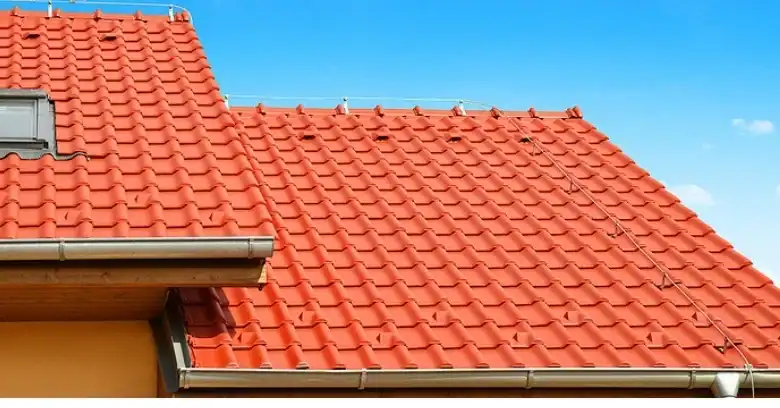
Considering Clay Tile Roofs in Central Coast California?
Creative Roofing handles the underlayment, battens and hand-shaped details that a fired or molded roof depends on, across Central Coast California and nearby.
Phone 805-723-2381 and describe the roof and what you are seeing.
A Heavy Covering With a Long History
A roof of this kind is a layered system in which each piece overlaps the next and the structure beneath does the waterproofing, and the overlap lets water run off quickly. Both materials resist fire, which has made them popular where wildfire is a concern, so samples help with the choice.
Load and Support
The weight of the roof is the first question to settle before changing from lighter material, and an engineer may be involved in a conversion. Replacing a lighter covering with a heavier one without checking the structure is a serious mistake, and the cost of that work belongs in the plan.
Underlayment Is the Real Waterproofing
The membrane is out of sight, which is why it is easy to forget, and a re-lay is the chance to replace it. Sun and heat trapped under the units bake the underlayment for years, until it dries, cracks and fails, and the answer says a lot about the contractor.
How Heat Behaves Under the Pieces
The heavy mass of the pieces absorbs heat during the day and releases it slowly at night, and that is why roofs of this kind are so common in warm regions. Moss and lichen are less of a problem in dry summers, though shaded areas may collect some, and it fades or washes off with time.
Finding Damaged Units
Falling branches and windblown debris can also crack pieces in a storm, so a close inspection from the roof is the only reliable method. Roofers who work on fragile coverings place their feet on the lower part of the unit where it is supported, so ask for a check after other work is done.
Where Pieces Meet Walls and Each Other
Metal flashing and sealant protect these joints, and both age in strong sun, and sealant alone is never a lasting answer. Dry-set ridge systems replace mortar with clips and are easier to maintain, and the repair is far less costly than water damage.
Seasonal Gusts and Embers
Nails, clips and foam adhesive are the common ways to secure units to the roof, so ask how the pieces will be held down. Clay and concrete are noncombustible, which is a strong advantage in a region with wildfire seasons, and the pieces themselves are only part of the answer.
Repair, Re-Lay or Replace
A re-lay means lifting the units, replacing the underlayment and flashing, and setting the pieces back in place, so ask for an assessment of the underlayment. A full replacement is a bigger project, but it resets the clock on the entire roof, so it is a time to consider all the options.
Holding the Pieces Together
Modern installations often replace mortar with clips, screws or flexible adhesive that tolerate movement without failing, and the method should be named in the proposal. Eave closures and bird stops fill the gap beneath the lowest course, keeping out birds, rodents, leaves and windblown embers, and a little care goes a long way.
Dirt, Lichen and Cosmetic Wear
Dark streaks and patches of lichen are common on north faces and under trees, and they are mostly a cosmetic issue, and a sealer can slow the return of stains. A professional cleaner will explain the method and protect the plants and walls below, and fix any breakage before the rains.
A Better Base for a Long-Lived Roof
High-temperature rated products suit the hot conditions found beneath dark units on a sunny slope, and a thoughtful answer is a good sign. Counter-battens add further airflow and reduce heat transfer into the attic, and it pays to think it through.
Planning Equipment Around the Units
The best time to add rooftop equipment is when the roof is being re-laid, because the openings can be built in properly, and the decision deserves some planning. Every person who climbs onto a roof of this kind risks cracking something, so access should be limited to those who know how to walk it, and a short sign near the hatch helps. Metal valley liners should be inspected for rust, pinholes and loose edges, since they carry more water than any other part of the roof, and it is easy to overlook.
Choosing Between Clay and Concrete
Between the two, concrete is usually the more economical, while clay is prized for its authentic look and its long record of service, and the difference shows up in the details. Matching the profile to the style of the house is the first design decision, and it affects the cost and the installation method, and it pays to think it through.
What Should Be Written Down
The written scope should say whether the existing units will be reused and who will supply replacements, and a clear proposal reflects a careful crew. Find out whether the crew has experience on heavy roofs and can show examples of finished work, and trust the tone of the conversation.
What Happens on Site
Pieces are removed row by row from the top down, and the crew takes care to avoid cracking more units than the roof already has, and the whole process takes patience.
Roofs of Fired Clay and Concrete in Wind and Fire Country
Trimming branches back from the roof and keeping a clear margin around the house reduces the risk to the roof and the building, so make it part of the late-summer routine.
What to Save After a Restoration
Photographs taken during the work show what lies under the units, which is a view that nobody sees again for decades, and it costs almost nothing to keep them.
Start the Conversation
Homeowners weighing Clay Tile Roofs in Central Coast California can begin by describing the house and the roof they have, and the number is 805-723-2381. Even a quick call can clear up questions about underlayment, repairs and timing, and the roof will tell the story once someone looks.






















