
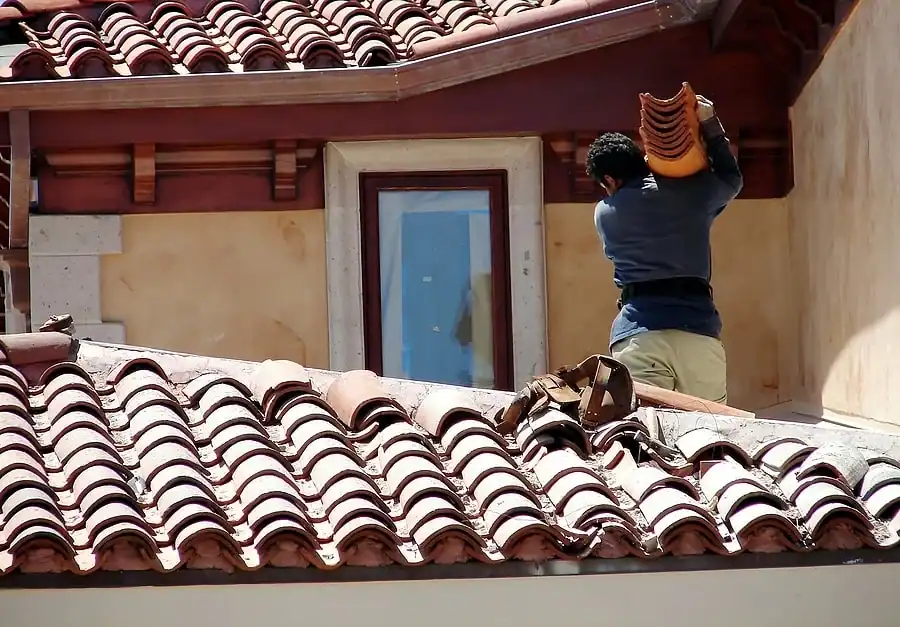
Thinking About Concrete Tile Roofer Services in Sacramento California?
Creative Roofing installs, repairs and re-sets the heavy, long-lived coverings found on many homes in the region, from Sacramento California out to the surrounding area.
Call 805-723-2381 and describe the roof and what you are seeing.
A Heavy Covering With a Long History
The surface you see is only the first line of defense on a roof like this, and the system works only when every piece is in place. Natural clay holds its color for a very long time, while concrete may need more attention to its finish, and the style often follows the architecture of the house.
Weight, Framing and What the House Can Carry
Many houses built for tile are designed to carry it, while others would need reinforcement, so a visual check is where the process begins. Rotted rafters or sheathing must be repaired before heavy material goes back on, and a careful contractor raises the issue unprompted.
What Sits Beneath the Pieces
Many leaks on roofs of this kind begin with a failed underlayment, not with the pieces on top, and it ages in the heat trapped under the pieces. Sun and heat trapped under the units bake the underlayment for years, until it dries, cracks and fails, so ask what product will go under the units.
Dry Climate, Durable Roof
The heavy mass of the pieces absorbs heat during the day and releases it slowly at night, so the look holds up. Concrete may chalk or fade after long exposure, and a clean surface may need a sealer or fresh paint, so ask before assuming the roof is failing.
Finding Damaged Units
Slipped pieces that have shifted out of line leave gaps that rain can reach, so a close inspection from the roof is the only reliable method. Roofers who work on fragile coverings place their feet on the lower part of the unit where it is supported, so ask for a check after other work is done.
Flashing, Valleys and Ridges
Valleys carry the most water on a roof, and the metal channel beneath the pieces must be sound, and sealant alone is never a lasting answer. The cap line at the top of the roof is one of its most exposed areas, and it deserves attention as the roof ages.
Holding Heavy Pieces in Place
Though heavy, individual pieces must be fastened properly or they can slide or lift in strong gusts, and local rules in windy areas may require specific fastening. A tight installation with proper closures resists embers better than a loose one, and clean valleys are important.
Restoring a Roof Rather Than Starting Over
The pieces on an old roof may be fine for many more seasons even when the underlayment has given out, and the savings from a re-lay can be considerable. Spalling concrete, crumbling clay and widespread cracks are signs that the surface is at its end, and the structure should be reviewed first.
How Units Are Bedded and Secured
Older roofs of this kind used mortar to bed the ridge and hip pieces and to seal the edges, and that mortar eventually cracks and crumbles, and it pays to think it through. Eave closures and bird stops fill the gap beneath the lowest course, keeping out birds, rodents, leaves and windblown embers, so these small parts deserve attention.
Washing, Sealing and Surface Care
Dark streaks and patches of lichen are common on north faces and under trees, and they are mostly a cosmetic issue, so consider it before deciding to replace. Cleaning is not a substitute for repairs, but it often reveals cracked pieces that were hidden by grime, and fix any breakage before the rains.
Specifying the Hidden Layer
Basic and premium underlayment differ little in cost when set against the cost of the roof, and a thoughtful answer is a good sign. Battens that lift the units off the underlayment allow air to circulate and water to drain freely beneath the pieces, and the extra layer is inexpensive protection.
Planning Equipment Around the Units
Special hooks and flashing kits exist for these roofs, and an installer who uses them keeps the surface watertight, and ask who is responsible for the seals. Satellite dishes, antennas and holiday lights are small additions that can break units if the installer is careless or the fasteners are driven in the wrong place, and inspect after every visit. Valleys and low points on a roof of this kind carry the heaviest flow in a downpour, and the units along their edges are cut to fit and sealed with care, and the dry season is the time to do it.
Two Materials, Two Personalities
Between the two, concrete is usually the more economical, while clay is prized for its authentic look and its long record of service, and the difference shows up in the details. Profiles vary from the rounded barrel shape seen on Spanish and Mediterranean homes to flat slabs and interlocking designs that look like slate or shake, and take your time with the choice.
What Should Be Written Down
A proposal that only says re-lay the roof does not tell you enough, and a little care goes a long way. Questions about experience are reasonable, and the answers say a great deal, so do not hesitate to ask.
Planning a Re-Lay Step by Step
Pieces are removed row by row from the top down, and the crew takes care to avoid cracking more units than the roof already has, and the result is a roof that looks as it did and performs like new.
Wildfire Season and Heavy Roofs
Before the dry season peaks, a quick walk around the house with binoculars can show broken units, loose ridge pieces and debris piled in the valleys, and a roofer can check them quickly.
Records, Photographs and Spare Pieces
A note of the underlayment type, the flashing metal and the fastening method helps any roofer who works on the roof later, and a clear record makes repairs simpler.
Tell Us What You Are Seeing
Those comparing Concrete Tile Roofer Services in Sacramento California can reach us by phone, and 805-723-2381 reaches someone who can help. Calling before a problem becomes urgent makes it easier to compare materials and schedules, so reach out whenever you are ready.
Verified

Verified
Verified
Verified
Verified






















