
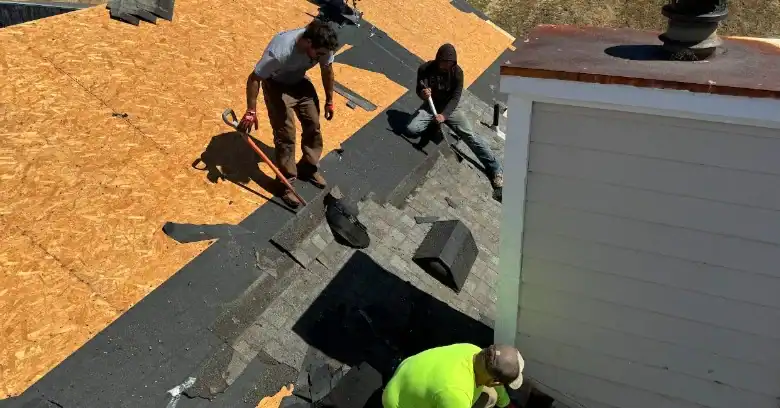
Searching for Residential Roofing Companies for a Home in Santa Barbara California?
Creative Roofing handles the planning, the tear-off and the cleanup of a roof job, from Santa Barbara California out to the surrounding area.
Ring 805-723-2381 to set up a time for someone to look at the roof.
Starting Out Right
Before any material is chosen, the existing roof has to be understood, since guessing from the ground leads to surprises later. Signs of wear on top often point to a moisture problem underneath, and the findings are worth asking to see.
Long dry summers and strong sun leave their mark on nearly every roof in California, and a roofer who knows the area expects exactly that.
Repair, Patch or Replace
Whether to fix or replace comes down to the condition of the layers beneath the surface, and the reasons should be easy to follow. Ask to see the problem areas, either in photographs or from the ladder, and the answer tells you a lot.
Rotted or soft sheathing changes the plan and often the schedule, and nobody should be surprised when it happens.
Picking a Roof Covering
Most houses here wear one of three coverings, and the choice shapes everything else, but the framing and the slope decide more than preference does. A roof that faces strong sun all afternoon behaves differently depending on its shade, so hold a sample against the house in daylight.
The Calendar and the Forecast
Dry months are the busy season for roofing, since an open roof and rain do not mix, so exposed areas get covered at the end of each day. On very hot afternoons shingles soften and workers slow down, so the day usually begins at sunrise.
Getting to a Clean Surface
The existing covering is stripped away and the deck is left exposed for inspection, so landscaping and windows are covered before the first piece comes up. Once the deck is bare, any damaged boards are replaced, since good materials laid over a weak deck do not last.
Protection Under the Covering
Beneath every roof is a membrane that catches whatever the surface lets through, and valleys, eaves and penetrations get extra layers. The house is safest once the second layer is complete, so the rest of the work can proceed without worry.
Where Roofs Meet Walls and Pipes
Flashing is the thin metal that keeps water out where the roof meets something else, and reusing old flashing under a new roof often comes back to bite. Plumbing vents are among the most common sources of small leaks, so replacing them along with the roof removes a predictable problem.
Air Under the Roof
An attic under a hot roof can reach extreme temperatures in summer, so vents near the ridge give the hot air a way out. A ventilation plan is worth a conversation before the job starts, and the answer should be part of the proposal.
Finishing the Job
The job is not over until the yard looks like a yard again, so gutters are checked and cleared of loose granules. Keeping a short record of the materials used helps with later maintenance, and it only takes a few minutes.
Local Rules and Paper Trails
Depending on the town, a re-roof may need a permit before any material is ordered, because surprises at the counter slow everything down. Certain hillside and edge-of-town areas follow stricter material rules than the valley floor, and the proposal should reflect them. The best paperwork leaves little room for misunderstanding, so keep a copy where you can find it.
Looking After Your Property During the Work
The ground around a house takes a beating during a roof project, and it is reasonable to ask how this will be done. Cars parked in the driveway can be struck by falling nails or pieces of shingle, and a little planning prevents most accidents. Attic contents are best covered or moved before the work starts, and a sheet over stored boxes keeps the grit off.
Noise, Neighbors and Daily Life
A new roof usually takes a few days for an average house, though weather and size change that, and the crew should give you a realistic window. Dumpsters and trucks may take up space on the road, and the whole thing is over sooner than it seems. Pets are often the ones most bothered by the commotion, so consider a day out of the house if you can.
Getting Clear Before the Work Begins
Ask how the roof will be ventilated and how the flashing will be handled, and it pays to think it through. The product line matters as much as the type of covering, and take your time reading it. The way a roofer handles the unexpected says a lot about the whole operation, and settle it before the first day.
Caring for the Roof Once It Is Done
Regular glances at the roof catch small problems early, and the best times are before the rainy season and after the first big storm. Overhanging trees drop material that collects in corners and valleys, so it is worth doing before summer ends. A prompt visit after damage keeps a minor repair minor, so do not wait for the next storm.
Timing a Roof Project Through the Year
A roof replaced on purpose goes better than one replaced in a panic, and calling in spring avoids the rush. Early fall is popular because the weather is still dry and the heat has eased, and the covering you choose affects the timing as well.
Attic Findings That Change the Plan
The attic is the roof as seen from below, and it often gives the clearest picture of how the roof has been performing, and bring a flashlight if you can.
Ready When You Are
Anyone researching Residential Roofing Companies in Santa Barbara California is one call away from a straight answer, and 805-723-2381 reaches the right person. A modest repair and a full re-roof both begin with an honest look at the roof, and the roof will tell the story once someone looks. A short conversation can turn a vague worry into a clear plan, and nobody will rush you.
Verified

Verified
Verified
Verified
Verified






















