
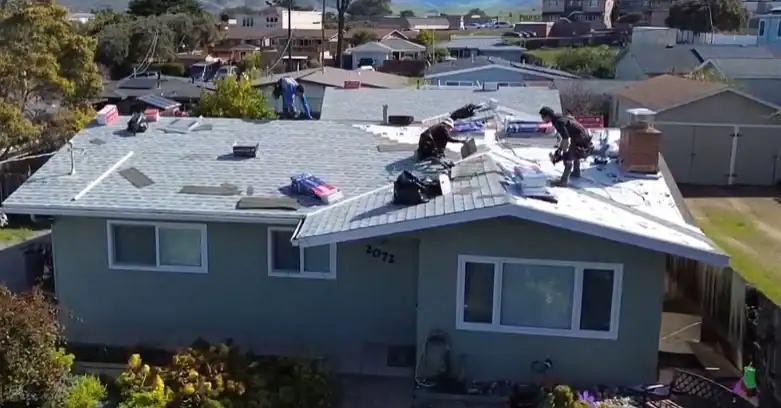
Searching for Roofing Inspections for a Home in Santa Maria California?
Creative Roofing covers each step of putting a new roof on a house, across Santa Maria California and the neighboring communities.
Dial 805-723-2381 and we will talk through what the roof needs.
Starting Out Right
Before any material is chosen, the existing roof has to be understood, because the rest of the plan rests on the findings from that look. Loose granules, lifted edges, cracked flashing and soft spots all say something about the layers below, and the findings are worth asking to see.
Long dry summers and strong sun leave their mark on nearly every roof in California, and the sunniest side is usually the oldest-looking side.
Repair, Patch or Replace
The right answer depends on how much sound material is left on the house, and the details are worth a closer look. Ask to see the problem areas, either in photographs or from the ladder, and a good roofer expects the question.
Wood that has been wet for a long time has to be cut out and replaced, and agreeing on the approach in advance beats debating it with the roof open.
Material Decisions
Three families of material cover most residential roofs in this region, but the framing and the slope decide more than preference does. A roof that faces strong sun all afternoon behaves differently depending on its shade, so hold a sample against the house in daylight.
Planning for Rain and Heat
Rain arrives in bursts, and a roof that is open when one comes needs protection, and temporary dry-in layers keep the house safe overnight. Crews often start early in summer to get ahead of the hottest hours, and the plan bends to the heat rather than the other way around.
What Happens on Demolition Day
Removal of the old material is where the project gets loud, and magnets and rakes pick up the nails that fall. The deck is checked, mended and made flat for the next layer, since good materials laid over a weak deck do not last.
Waterproofing Beneath the Surface
The surface you see is only the outer layer of a roof, so self-adhering membrane goes where leaks tend to begin. Once the underlayment is down, the house is considered dried in, and the visible covering goes on from there.
Small Metal Pieces, Large Consequences
Wherever the roof surface stops, a metal detail has to take over, since worn metal under new material becomes the weak link. Pipe seals made of soft materials fail early in strong sun, so replacing them along with the roof removes a predictable problem.
Ventilation in a Warm Climate
Heat collects in the space beneath the roof deck unless it has somewhere to go, and the details are worth a closer look. More vents are not always better, because intake and exhaust have to be balanced, because airflow is easy to plan now and hard to add later.
Wrapping Up
Final cleanup means more than a quick sweep, and that is worth keeping in mind. A walk around the finished roof with the roofer is a reasonable thing to ask for, so keep the paperwork and pictures together.
The Paperwork Side of a Roof
Depending on the town, a re-roof may need a permit before any material is ordered, and the process is easier when someone handles it for you. Areas with wildfire exposure often have extra requirements for roofing materials and vents, and the details are worth a closer look. The best paperwork leaves little room for misunderstanding, because what is written down is what everyone remembers.
Protecting the House and Yard
The ground around a house takes a beating during a roof project, so tarps and plywood go down where debris will land. Children and animals should stay clear of the yard while the work is underway, and it pays to think it through. Light fixtures and wall hangings can shift when a roof is being removed above them, and a little care goes a long way.
The Few Days of Commotion
The calendar for a job is set by the roof, not by the wish list, and the details are worth a closer look. Neighbors appreciate a heads-up before the noise begins, and it is easy to overlook. Pets are often the ones most bothered by the commotion, and everything returns to normal once the crew packs up.
What to Ask Every Roofer
Find out who will be on the roof and who will be in charge of the job, and write the answers down. The product line matters as much as the type of covering, and take your time reading it. Ask what happens if something unexpected turns up under the old roof, and keep the discussion friendly but specific.
Keeping a Roof in Good Shape
A roof needs less attention than most parts of a house, but it needs some, and the best times are before the rainy season and after the first big storm. Keep the gutters clear of leaves and needles, especially at the end of the dry season, so it is worth doing before summer ends. Missing pieces, lifted edges or a new stain are all reasons to have someone look, and it is far easier to repair than to rebuild.
Choosing the Right Season
Booking early in the dry season leaves time to compare more than one proposal, and the schedule fills quickly once the rains end. Winter work happens too, with crews watching the forecast closely, and a good roofer will explain the trade-offs.
Checking the Space Beneath the Deck
Rust on the points of roofing nails and dark patches on the sheathing are signs that moisture has been present for some time, and bring a flashlight if you can.
Ready When You Are
Questions about Roofing Inspections in Santa Maria California begin with a short phone call, so dial 805-723-2381 and say what you are seeing. Every roof is different, so every conversation starts from the house itself, and the roof will tell the story once someone looks. The decision often feels bigger before the call than it turns out to be, so pick up the phone when you are ready.
Verified

Verified
Verified
Verified
Verified






















