
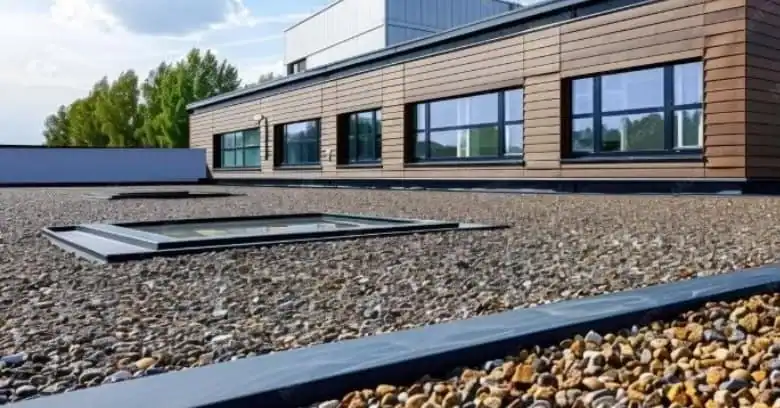
Looking Into Built Up Roofing Services Serving Central Coast California?
Creative Roofing knows how a roof without a pitch is built, why it leaks and how to make it last, across Central Coast California and nearby.
Phone 805-723-2381 and tell us about the flat roof you have.
Why Flat Roofs Need Special Care
A flat roof is never truly flat, but its slope is so slight that water drains slowly and lingers, so shingles are never the answer. A pinhole in a membrane or a gap in a seam lets in water that sits and keeps seeping, and the cost of a mistake is paid in repairs.
Membranes, Built-Up Layers and Coatings
White single-ply membranes reflect sunlight and help keep the building cooler, and the quality of the welds is the main concern. Rubber membranes are black or white, and the seams are joined with tapes or adhesives, and the details are worth a closer look. Modified bitumen sheets are rolled out and torched or adhered in overlapping courses for a durable surface, and the gravel hides the condition of the membrane.
Seams, Edges and Where Leaks Start
Failures concentrate wherever the membrane stops or is cut, and a roofer should walk every foot of the edge. Termination bars and sealant hold the top edge of the membrane against the wall, and it pays to think it through.
Scuppers, Drains and Slope
Rain here often comes in sudden bursts that test every flat roof drain, and the first storm of the season shows the problems. A new roof is the best time to correct drainage problems for good, and a roofer can map the low areas.
Sun, Heat and Reflective Surfaces
A flat roof faces the sky all day, and the sun heats it far more than a steep roof ever experiences, and it is easy to overlook. Reflective surfaces keep rooms below cooler and may reduce the load on air conditioning, and the benefit depends on the existing roof.
What Happens Around Machinery
Boots, pitch pockets and flashing collars around pipes must be sound and sealed, and it pays to think it through. Roof-mounted air conditioners and other equipment bring service people who walk on the membrane, so ask the roofer to mark and protect the routes.
Options for an Aging Flat Roof
Targeted repairs buy time and protect the interior while a bigger plan is made, so ask to see where the water is getting in. Adding a new membrane over an existing one is possible in some cases and saves removal costs, so be cautious of any bid that skips the testing. Replacing wet insulation restores the performance of the roof and the comfort of the rooms below, and ask about drainage improvements in particular.
Patios, Garages and Modern Homes
Many homes combine a pitched main roof with flat sections at the back or the sides, and the two meet in a joint that needs careful flashing, and the wrong material on a flat roof will leak. A low roof meeting a taller wall is among the most leak-prone details on a house, and it deserves close attention, and a little care goes a long way. A deck surface over a roof has to be lifted to repair the layer beneath, which makes prevention far cheaper than correction, and ask about drains and overflows.
Heat Gain and Thermal Layers
Rigid insulation boards above or below the deck slow the passage of heat, and they matter more on a level roof than on any other type, and the savings show up in the cooling bill. Wet insulation loses most of its ability to resist heat and adds weight the roof was never meant to carry, so ask whether a survey is part of the process.
Keeping a Flat Roof in Shape Through the Year
Walking the roof once a year, in a safe and careful way, reveals problems that are invisible from the ground, and that beats waiting. Standing water that remains for days after rain is worth reporting, even if no leak has appeared yet, and acting quickly limits the damage.
Securing the Roof Against the Wind
Gusts lift a flat roof from its edges and corners, where the pressure is highest, and a membrane that is not firmly attached there can peel back like the lid of a can, and a little care goes a long way. Gravel on a flat roof is not decoration, because it protects the membrane from sun and holds it in place against uplift, so inspect the outlets after any disturbance. Surprises about extra details are the most common cause of disagreement over flat roof bids, and write everything down.
Openings That Need Their Own Waterproofing
Replacing a worn skylight and its curb flashing together with the roof is far cheaper than doing the two jobs separately, and loose sealant around a frame is a warning sign. The seal around a pipe on a low-slope roof has to be formed to match the membrane, because a generic rubber boot will not bond to every type, and a tidy roof is easier to maintain. Leaves and trash that collect around a drain strainer can cause the water level to rise until it overflows into the building, and a quick look takes only a minute.
Reading Competing Bids
A good proposal names the membrane, its thickness, the attachment method and the insulation to be used, and a careful contractor will explain every line. Find out how drainage will be addressed and whether tapered insulation is included, so write down what each company says.
Preparing the Property for a Membrane Job
Workers on a low-slope roof often arrive early, because the surface heats up quickly and some products behave better in the cool of the morning, so ask how the schedule will work.
What People Wonder When the Roof Is Flat
A roof with no visible slope is not necessarily failing, since most are designed with a gentle fall toward the drains, so do not hesitate to ask.
Next Steps for Your Roof
Those comparing Built Up Roofing Services in Central Coast California can reach us by phone, and 805-723-2381 reaches someone who can help. Planning ahead usually leads to better choices than reacting to an emergency, and the first step is just a phone call.






















