
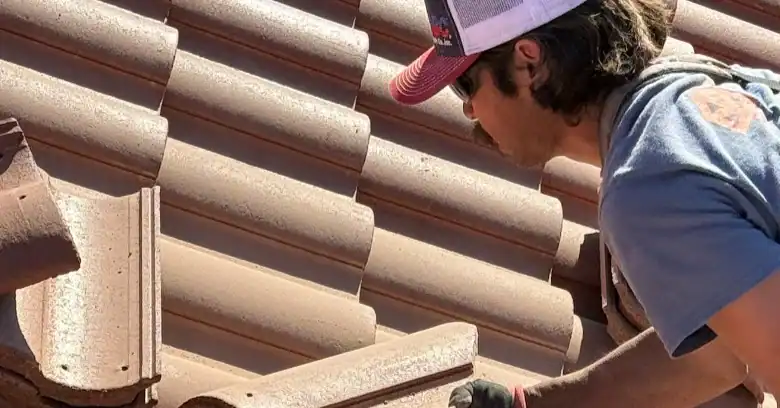
Ready for Concrete Tile Roofing in Guadalupe California?
Creative Roofing knows how to walk a fragile surface, find the broken piece and replace it cleanly, for homes in Guadalupe California and the towns around it.
Reach us at 805-723-2381 and we will explain what is involved.
A Heavy Covering With a Long History
A roof of this kind is a layered system in which each piece overlaps the next and the structure beneath does the waterproofing, and the real waterproofing sits underneath. Clay is formed and fired in a kiln, which gives it a rich natural color that does not fade, and the weight differs between materials.
Load and Support
The weight of the roof is the first question to settle before changing from lighter material, so a visual check is where the process begins. Adding weight without adding support invites cracks, sagging and even failure, and the cost of that work belongs in the plan.
Underlayment Is the Real Waterproofing
The units shed most of the rain, but the underlayment beneath is the layer that actually keeps the house dry, and a membrane that has dried out is a common reason for leaks. The felt paper on older roofs becomes brittle and breaks when the pieces are lifted, and the answer says a lot about the contractor.
Why Tile Suits Hot Weather
The pieces rarely wear out from sun alone, which is why a well-built roof can last so long, and that is why roofs of this kind are so common in warm regions. Efflorescence, a white powdery bloom, can show on concrete units and is mostly cosmetic, and a roofer can tell the difference.
Why Pieces Break
A cracked unit lets water reach the underlayment, which is meant for backup rather than constant exposure, and the damage may not show from the ground. Roofers who work on fragile coverings place their feet on the lower part of the unit where it is supported, and keep spare pieces from the original installation.
Edges and Intersections
Valleys carry the most water on a roof, and the metal channel beneath the pieces must be sound, and sealant alone is never a lasting answer. Ridge and hip pieces are bedded in mortar or fastened with mechanical systems, and the old mortar often fails before the roof does, so look for loose or missing cap pieces.
Holding Heavy Pieces in Place
Though heavy, individual pieces must be fastened properly or they can slide or lift in strong gusts, and the attachment method should be in the proposal. A tight installation with proper closures resists embers better than a loose one, and the pieces themselves are only part of the answer.
Deciding What an Aging Roof Needs
Re-laying saves the cost of new material and keeps the original look of the house, and avoid roofers who recommend replacement without looking. Spalling concrete, crumbling clay and widespread cracks are signs that the surface is at its end, and the structure should be reviewed first.
Holding the Pieces Together
Cement bedding has been the traditional method for capping a ridge, but it is rigid and breaks as the roof flexes with temperature, and it pays to think it through. A missing eave closure is easy to spot from the ground as a dark gap along the lower edge of the roof, and a little care goes a long way.
Moss, Stains and Keeping the Surface Clean
Dust, pollen and shade can leave a roof of this type looking dull and streaked, even when it is perfectly sound, and a sealer can slow the return of stains. A professional cleaner will explain the method and protect the plants and walls below, and it is easy to overlook.
Selecting the Layer Beneath
High-temperature rated products suit the hot conditions found beneath dark units on a sunny slope, and that is worth keeping in mind. Counter-battens add further airflow and reduce heat transfer into the attic, and it adds only modestly to the cost.
Solar Panels, Skylights and Heavy Roofs
Mounting an array on a roof of this type means lifting or cutting units around every bracket and sealing the opening beneath, and the answer should be written down. Service technicians for air conditioning and chimney sweeps should be told to step only where the roof can bear a person, and a short sign near the hatch helps. Clearing debris from valleys before the rainy season is the simplest way to protect the underlayment beneath them, and it is easy to overlook.
Two Materials, Two Personalities
Cast from cement and sand, concrete units take their color from pigment in the mix or from a coating applied to the surface, and that is worth keeping in mind. Profiles vary from the rounded barrel shape seen on Spanish and Mediterranean homes to flat slabs and interlocking designs that look like slate or shake, and a good supplier will lend a few.
Comparing Tile Roofing Proposals
Look for details on the underlayment type, the valley metal and the ridge system, and compare two bids line by line. Ask how the structure will be checked and what happens if damage is found, and keep notes to compare later.
From Lifting the Units to Setting Them Back
Each section of the roof is stripped down to the underlayment, repaired and covered with fresh waterproofing before the units go back, so a re-lay is slower than a shingle job.
Roofs of Fired Clay and Concrete in Wind and Fire Country
Trimming branches back from the roof and keeping a clear margin around the house reduces the risk to the roof and the building, and repair broken pieces before the winds arrive.
Documenting the Work for the Future
Photographs taken during the work show what lies under the units, which is a view that nobody sees again for decades, and it pays to think it through.
Next Steps for Your Roof
Homeowners weighing Concrete Tile Roofing in Guadalupe California can begin by describing the house and the roof they have, so dial 805-723-2381 when it suits you. There is no pressure in asking about your roof, and we are glad to help you sort it out.
Verified

Verified
Verified
Verified
Verified






















