
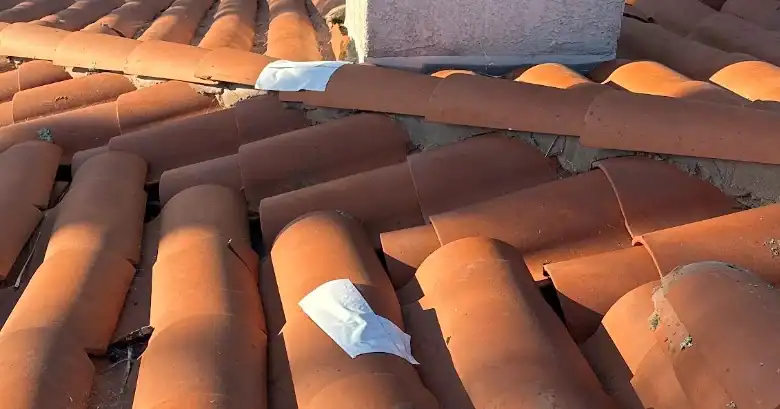
Ready for Clay Tile Roofing Contractors Around Central Coast California?
Creative Roofing installs, repairs and re-sets the heavy, long-lived coverings found on many homes in the region, serving homeowners in Central Coast California and beyond.
Dial 805-723-2381 and ask about the roof over your house.
Basics of a Roof Built From Individual Pieces
Clay and concrete units are individual pieces hung on a roof, overlapping like fish scales to shed water, and the real waterproofing sits underneath. Each type comes in profiles from rounded barrels to flat slabs and interlocking shapes, and the weight differs between materials.
Load and Support
Heavy coverings put real stress on rafters, trusses and walls, which is why the structure is checked first, and a sagging ridge is a sign of trouble. Rotted rafters or sheathing must be repaired before heavy material goes back on, and a casual answer should give you pause.
What Sits Beneath the Pieces
The units shed most of the rain, but the underlayment beneath is the layer that actually keeps the house dry, and a membrane that has dried out is a common reason for leaks. Replacing the underlayment when the units are removed gives the roof a fresh start, so ask what product will go under the units.
Sun, Heat and Dry Summers
Clay and concrete handle strong sun far better than lighter coverings, which is a large part of their appeal here, and that is why roofs of this kind are so common in warm regions. Moss and lichen are less of a problem in dry summers, though shaded areas may collect some, and surface cleaning is far cheaper than replacement.
Finding Damaged Units
A cracked unit lets water reach the underlayment, which is meant for backup rather than constant exposure, and waiting makes the repair more expensive. Anyone who walks a roof of this kind needs to know where to step, because the wrong spot breaks the piece, and a good roofer will always carry a supply.
Where Pieces Meet Walls and Each Other
Details where the pieces meet something else are the places most likely to leak, so look at how the work is finished. Ridge and hip pieces are bedded in mortar or fastened with mechanical systems, and the old mortar often fails before the roof does, so look for loose or missing cap pieces.
Wind, Fire and the Fastening Question
The method of attachment depends on the slope, the wind exposure and the local rules, and the attachment method should be in the proposal. Clay and concrete are noncombustible, which is a strong advantage in a region with wildfire seasons, and local rules may set requirements for roof assemblies.
Repair, Re-Lay or Replace
Re-laying saves the cost of new material and keeps the original look of the house, and the savings from a re-lay can be considerable. Replacing the covering gives the chance to upgrade the structure, the ventilation and the details, and the new material can be a different type.
Holding the Pieces Together
Foam adhesives are widely used to secure units, particularly in areas where wind is a concern, because they bond quickly and resist uplift, and the best answer is specific to your roof. Replacing these strips during a re-lay is inexpensive, and it improves both fire resistance and cleanliness, and a little care goes a long way.
Moss, Stains and Keeping the Surface Clean
Dark streaks and patches of lichen are common on north faces and under trees, and they are mostly a cosmetic issue, and the details are worth a closer look. A professional cleaner will explain the method and protect the plants and walls below, and it is easy to overlook.
Selecting the Layer Beneath
Heavy felt, synthetic sheets and self-adhering membranes are the common options, and they differ in heat resistance and tear strength, so ask which product is specified. Self-adhering membrane is often used in valleys, around penetrations and along the eaves, where leaks are most likely to begin, and it adds only modestly to the cost.
Solar Panels, Skylights and Heavy Roofs
Mounting an array on a roof of this type means lifting or cutting units around every bracket and sealing the opening beneath, and the decision deserves some planning. Telling every visitor about the fragility of the surface prevents a surprising amount of damage, and inspect after every visit. When rain arrives in a sudden burst after months of dry weather, the valley is the first place where a defect shows, and the dry season is the time to do it.
Choosing Between Clay and Concrete
Natural clay generally keeps its color for a very long time, while a coated concrete surface can fade or chalk and may need refreshing, and that is worth keeping in mind. Matching the profile to the style of the house is the first design decision, and it affects the cost and the installation method, and a good supplier will lend a few.
How to Weigh Two Bids
A proposal that only says re-lay the roof does not tell you enough, and the details are what you are really buying. Ask how the structure will be checked and what happens if damage is found, so do not hesitate to ask.
Planning a Re-Lay Step by Step
Pieces are removed row by row from the top down, and the crew takes care to avoid cracking more units than the roof already has, and it is easy to overlook.
Roofs of Fired Clay and Concrete in Wind and Fire Country
Clearing leaves and needles from valleys, gutters and the back of chimneys removes fuel that could ignite from a flying ember, and a roofer can check them quickly.
Documenting the Work for the Future
Passing these records to the next owner of the house adds real value and saves them a good deal of guesswork, and it costs almost nothing to keep them.
Ready to Look at Options
Anyone sorting out Clay Tile Roofing Contractors in Central Coast California is one call away from a straight answer, so dial 805-723-2381 when it suits you. Whether the roof is leaking now or you are planning ahead, an early conversation keeps your options open, and a little care goes a long way.






















