
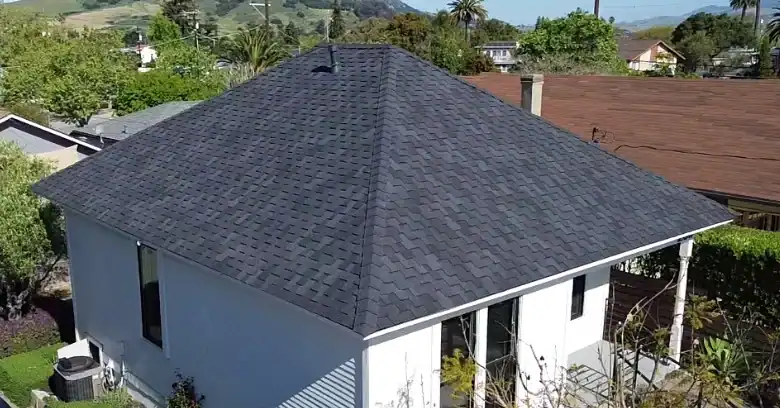
Choosing Luxury Shingle Roofing Close to Central Coast California?
Creative Roofing installs and repairs the shingle coverings found on most houses in the area, across Central Coast California and nearby.
Call 805-723-2381 to set up a visit to look at your shingles.
Inside a Shingle
The common residential shingle starts as a reinforcing mat, which is coated with asphalt and then surfaced with mineral granules, and that is worth keeping in mind. Without a surface of mineral granules, the asphalt beneath would dry and crack in a short time, and the process only gets faster over time.
How Shingle Lines Differ
Traditional three-tab shingles are a single flat layer cut into three tabs, and they are the lightest and plainest option, so many homeowners compare it with thicker lines. Most new roofs on houses today use architectural shingles, which look richer and resist wind better, and the details are worth a closer look. The top of the range offers the richest textures and the greatest thickness, and a sample on site shows the difference clearly.
Heat Is the Slow Enemy
The sun does more to age a shingle roof in this region than any other force, and the shaded side tells a different story. A shingle that has begun to curl no longer lies flat against the roof, and photographs make a useful record.
Picking a Shade That Works in the Sun
Color is a practical decision as much as a matter of taste, and a little care goes a long way. Reflective granules can bring a dark color closer to the performance of a light one, so ask for the product details and the rating.
The Craft Behind a Good Install
Shingles are fastened with nails placed in a specific spot, and a few inches either way changes how well they hold, and overdriven nails cut the mat and create weak spots. A starter strip along the eave and the rake gives the first course a sealed edge and extra grip, and that is worth keeping in mind. Hips and ridges are capped with special pieces that bend over the peak and seal the top of the roof, and it pays to think it through.
Gusts and Loose Tabs
Shingles have a strip of adhesive that bonds each course to the one below once the sun warms it, and the nails hold the rest. Strong seasonal winds can lift tabs that have lost their seal and tear them off the roof, and a roofer can reseal tabs with a dab of roofing cement.
Balanced Intake and Exhaust
Poor ventilation is one of the quietest causes of early shingle failure, so check that the soffit openings are not blocked by insulation. Blocking the soffit vents with insulation is a common mistake that undermines the whole system, and that is worth keeping in mind.
Waterproofing Layers and Metal Pieces
The underlayment is the water-resistant layer under the shingles that catches whatever gets past the surface, and it matters most when the roof is open to weather. Every pipe and vent through the deck needs a boot or collar that is sealed and replaced with the roof, and replacing flashing during a re-roof is standard practice.
When a Shingle Roof Is Telling You Something
Several signs together point to a roof that needs more than a patch, and early action keeps choices open. A few damaged shingles can often be replaced without touching the rest of the roof, and the savings can be substantial. A roof that is worn out everywhere will keep leaking in new places however many patches it gets, and the new roof will perform better than a patched old one.
Tear-Off, Layers and the Deck Beneath
Down to bare wood is how a careful crew starts, because new shingles are only as sound as the surface they are nailed to, and soft spots are cut out and replaced with new panels. A roof-over saves effort in the short run, yet it prevents any look at what the old roof has been hiding, and the decision deserves a little thought. Sheathing that crumbles or feels spongy underfoot must be replaced before shingles can hold, and expect a call with photographs.
Debris, Magnets and Final Sweeps
Planning where the dumpster, the ladders and the materials will go avoids damage to lawns, driveways and sprinklers, and a little preparation prevents most complaints. Nails are the main hazard left behind after any roofing job, and a magnetic sweep of the yard and driveway is standard practice, and point out anything that was missed. Checking the gutters after the first big rain is a good habit, and it takes only a few minutes, and it pays to think it through.
When to Schedule a New Roof
Timing a project well means picking a stretch of dry days and leaving some room for delays, so booking ahead is wise. Heat is a normal part of summer roofing, and a good crew plans the day around it rather than fighting it, and a rushed job in extreme heat is a poor bargain.
Rooftop Additions and Shingle Work
A re-roof is the right moment to replace worn skylight curbs, chimney flashing and cracked sealant, before they cause trouble, and it is easy to overlook. Mounting brackets pierce the roof, and the seals around them age on the same schedule as the shingles beneath, and that is worth keeping in mind.
Color, Fade and Repair Work
Older shingles lose color and granules in the sun, so a few fresh ones will stand out until the surrounding roof catches up, so ask the roofer what to expect.
Carrying Water Away From the House
The roofline is where the roof and the rest of the house meet, and it deserves attention during any replacement, so look at them before the work starts.
Questions for a Shingle Roofer
Look for the product by name so that you can compare it with another bid, so ask for details in writing. Ask how many layers of old roofing will be removed and how the deck will be inspected, and the answers are worth writing down.
Next Steps for Your Roof
Anyone sorting out Luxury Shingle Roofing in Central Coast California is one call away from a straight answer, and the number is 805-723-2381. There is no pressure in asking about a new roof, and the roof will tell the story once someone looks.






















