
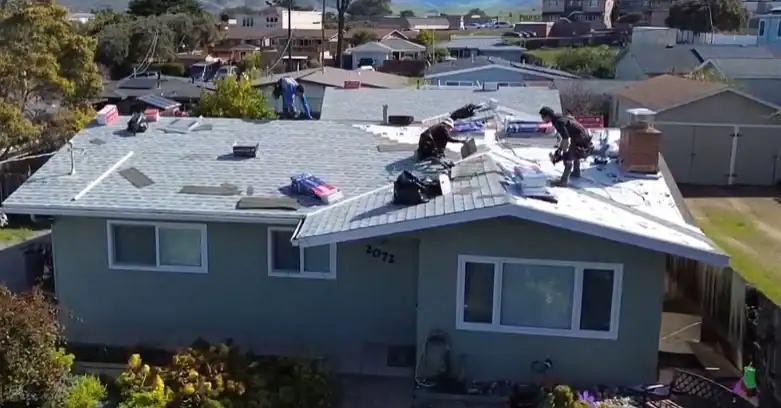
Searching for Roofing Inspections Around Central Coast California?
Creative Roofing stays with a roofing project from the first walk-around to the final check, serving Central Coast California and the places close by.
Ring 805-723-2381 to start a conversation about the roof over your head.
Day One of a Roof Project
A roofing project begins with a close look at the surface, the edges and the pipes, and a rushed visit tends to cost more than it saves. The roofer checks the surface, the flashing, the vents and the gutter line, then the attic if it can be reached, so the visit usually takes longer than people expect.
Sun and heat age a roof in ways that rain alone never would, and the sunniest side is usually the oldest-looking side.
Repair, Patch or Replace
Not every worn roof needs replacing, and not every leak is a small one, and the details are worth a closer look. Ask to see the problem areas, either in photographs or from the ladder, and the answer tells you a lot.
Wood that has been wet for a long time has to be cut out and replaced, and nobody should be surprised when it happens.
Shingle, Tile or Metal
Homeowners usually end up comparing shingles, tile and metal panels, and the pitch of the roof narrows the field quickly. A roof that faces strong sun all afternoon behaves differently depending on its shade, and it pays to look at them at different times of day.
When the Crew Can Work
Roofing here follows the weather more than the calendar, and it pays to think it through. On very hot afternoons shingles soften and workers slow down, and finishing early keeps people and materials in better shape.
Stripping Down to the Deck
Taking the old roof off is the noisiest and messiest part of the job, and the details are worth a closer look. Soft or split sheathing is cut out and new panels are fastened down, so this is not the place to save time.
What Goes Down First
Beneath every roof is a membrane that catches whatever the surface lets through, and it is easy to overlook. The house is safest once the second layer is complete, and the finished surface is installed over a sound base.
Where Roofs Meet Walls and Pipes
The places where a roof is interrupted are the places most likely to leak, and the cost is small next to the roof it protects. Plumbing vents are among the most common sources of small leaks, and a little care goes a long way.
Air Under the Roof
Warm air trapped under the deck works on the roof from below, and vents at the eaves let cooler air in. A ventilation plan is worth a conversation before the job starts, and it is easy to overlook.
Cleanup and the Final Walk-Through
The job is not over until the yard looks like a yard again, and that is worth keeping in mind. Questions are easier to settle while the crew is still on site, and it makes future repairs and sales smoother.
What the City Wants to See
Replacing a roof usually involves the local building department in some way, because surprises at the counter slow everything down. Fire safety rules in some neighborhoods affect which coverings are allowed, and the details are worth a closer look. A clear proposal lists what will be removed, what will be installed and what happens if the deck needs work, because what is written down is what everyone remembers.
Protecting the House and Yard
Heavy materials, ladders and falling pieces all share the space around the walls, and it is reasonable to ask how this will be done. Children and animals should stay clear of the yard while the work is underway, and it pays to think it through. The attic gets dusty during tear-off, and anything stored there will notice, and it is best done the night before.
The Few Days of Commotion
Timing depends on the size of the roof, the complexity of the layout and the covering chosen, and plan on some slack for the weather. Dumpsters and trucks may take up space on the road, and the whole thing is over sooner than it seems. The loudest stretch is the tear-off, and it passes quickly, and a plan for the loud days makes them easier.
Questions Worth Asking Before You Agree
Find out who will be on the roof and who will be in charge of the job, since confident answers come easily to people who do this daily. Product names and thicknesses on the proposal let you compare like with like, and take your time reading it. The way a roofer handles the unexpected says a lot about the whole operation, and you will have a clear record.
Small Habits That Extend Roof Life
Even a new roof benefits from an occasional look from the ground, and binoculars make the job easy. Keep the gutters clear of leaves and needles, especially at the end of the dry season, and it also reduces fire risk in dry months. A prompt visit after damage keeps a minor repair minor, and the earlier the better.
Spring, Summer or Fall
Waiting for the first storm to find the weak spot means hiring in a hurry, and a little care goes a long way. Late summer is hot but dependable, and crews are usually busy, and a good roofer will explain the trade-offs.
Insulation, Ducts and Cables Under the Roof
Rust on the points of roofing nails and dark patches on the sheathing are signs that moisture has been present for some time, and the findings can change the scope.
Next Steps for Your Roofing Project
Anyone researching Roofing Inspections in Central Coast California is one call away from a straight answer, and 805-723-2381 reaches the right person. Whether the job is a small section or a whole house, the questions are much the same, so there is no harm in asking questions first. Taking the first step is usually the hardest part of any home project, and that is a good place to begin.






















