
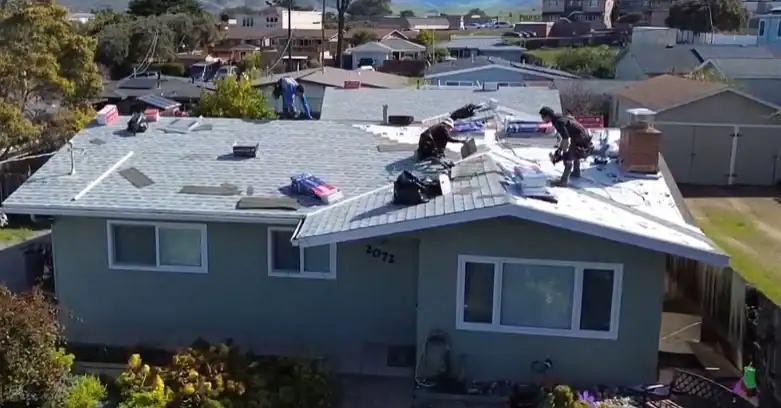
Weighing Roofing Installation Around Santa Barbara California?
Creative Roofing covers each step of putting a new roof on a house, from Santa Barbara California out to the surrounding area.
Call 805-723-2381 to set up a time for someone to look at the roof.
Where a Roofing Job Begins
Before any material is chosen, the existing roof has to be understood, and the notes from that visit steer every later choice. Loose granules, lifted edges, cracked flashing and soft spots all say something about the layers below, and it pays to think it through.
Sun and heat age a roof in ways that rain alone never would, and a little care goes a long way.
What Should Actually Be Done
Whether to fix or replace comes down to the condition of the layers beneath the surface, and the reasons should be easy to follow. Findings that cannot be pointed to are findings worth questioning, since the plan should make sense to the person paying for it.
Weak spots in the deck only show themselves once the old roof is off, and it is easy to overlook.
Material Decisions
Most houses here wear one of three coverings, and the choice shapes everything else, and the pitch of the roof narrows the field quickly. Sun exposure makes color a practical question as well as a visual one, and that is worth keeping in mind.
The Calendar and the Forecast
Rain arrives in bursts, and a roof that is open when one comes needs protection, and temporary dry-in layers keep the house safe overnight. Crews often start early in summer to get ahead of the hottest hours, so an early knock on the door is nothing to worry about.
Removing the Old Roof
The existing covering is stripped away and the deck is left exposed for inspection, so landscaping and windows are covered before the first piece comes up. Once the deck is bare, any damaged boards are replaced, because new material is only as good as what it is fastened to.
What Goes Down First
The first layer laid over the deck is a barrier against moisture, and metal edging is set at the eaves and rakes before the covering. The house is safest once the second layer is complete, and the visible covering goes on from there.
Small Metal Pieces, Large Consequences
Flashing is the thin metal that keeps water out where the roof meets something else, and the cost is small next to the roof it protects. Plumbing vents are among the most common sources of small leaks, so replacing them along with the roof removes a predictable problem.
Attic Airflow
Warm air trapped under the deck works on the roof from below, and vents at the eaves let cooler air in. Mixing vent types without a plan can short-circuit the airflow, and a roofer should be able to describe it simply.
The Last Day on Site
When the last piece is installed, the cleanup begins, so gutters are checked and cleared of loose granules. A walk around the finished roof with the roofer is a reasonable thing to ask for, so keep the paperwork and pictures together.
The Paperwork Side of a Roof
Depending on the town, a re-roof may need a permit before any material is ordered, and the answer should be clear from the start. Fire safety rules in some neighborhoods affect which coverings are allowed, and the proposal should reflect them. Vague wording on a proposal is a reason to ask questions, so compare any two side by side.
Protecting the House and Yard
Heavy materials, ladders and falling pieces all share the space around the walls, and it is reasonable to ask how this will be done. Cars parked in the driveway can be struck by falling nails or pieces of shingle, and a short talk the evening before covers the details. Hammering on the deck above can rattle a ceiling and drop dust into the rooms below, and a little care goes a long way.
The Few Days of Commotion
The calendar for a job is set by the roof, not by the wish list, and nobody can promise a date through a rain delay. Dumpsters and trucks may take up space on the road, and the whole thing is over sooner than it seems. Household routines bend a little while the work is under way, and the noise settles once the old roof is gone.
What to Ask Every Roofer
Find out who will be on the roof and who will be in charge of the job, since confident answers come easily to people who do this daily. The product line matters as much as the type of covering, and a good roofer will be glad you asked. A change in scope should be written down and approved before the work continues, and it is better to know in advance.
Maintenance After the Job
Even a new roof benefits from an occasional look from the ground, so put it on the calendar like any other chore. Overhanging trees drop material that collects in corners and valleys, and it also reduces fire risk in dry months. A prompt visit after damage keeps a minor repair minor, and the earlier the better.
Spring, Summer or Fall
Planning ahead usually gives better choices than reacting to an emergency, so a few weeks of lead time is common. Early fall is popular because the weather is still dry and the heat has eased, and the best season is often the one that fits your calendar.
What the Crew Sees Inside the House
The attic is the roof as seen from below, and it often gives the clearest picture of how the roof has been performing, and the findings can change the scope.
Next Steps for Your Roofing Project
Anyone researching Roofing Installation in Santa Barbara California is one call away from a straight answer, and 805-723-2381 reaches the right person. A modest repair and a full re-roof both begin with an honest look at the roof, and we are glad to talk through the options. Putting off a roof question rarely makes it easier to answer, and it pays to think it through.
Verified

Verified
Verified
Verified
Verified






















