
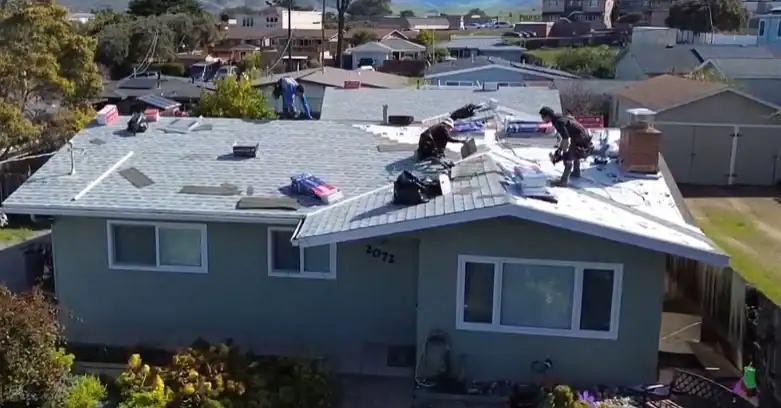
Thinking About Roofing Maintenance in Santa Maria California?
Creative Roofing takes a roofing job from the first look to the last sweep of the yard, for homes in Santa Maria California and the towns around it.
Ring 805-723-2381 and describe the project you have in mind.
Starting Out Right
Every roofing job starts with someone climbing up to see what is actually there, and a rushed visit tends to cost more than it saves. The roofer checks the surface, the flashing, the vents and the gutter line, then the attic if it can be reached, so the visit usually takes longer than people expect.
Sun and heat age a roof in ways that rain alone never would, and a roofer who knows the area expects exactly that.
What Should Actually Be Done
The right answer depends on how much sound material is left on the house, and the recommendation should come with the reasons attached. A roofer who explains the reasoning in plain terms is easier to trust with the work, and a good roofer expects the question.
When the decking underneath is damaged, the scope of the job grows, and it is easy to overlook.
Material Decisions
Three families of material cover most residential roofs in this region, and the pitch of the roof narrows the field quickly. Lighter colors reflect more of the summer sun, while darker ones soak it up, and it pays to look at them at different times of day.
Timing the Work
Roofing here follows the weather more than the calendar, and a careful crew never leaves an opening to chance. On very hot afternoons shingles soften and workers slow down, and a little care goes a long way.
What Happens on Demolition Day
Old roofing comes off in layers, down to the bare decking, and magnets and rakes pick up the nails that fall. The deck is checked, mended and made flat for the next layer, so this is not the place to save time.
Underlayment and Drying In
Beneath every roof is a membrane that catches whatever the surface lets through, so self-adhering membrane goes where leaks tend to begin. With the barrier in place the roof can shed rain even before the covering is finished, and the finished surface is installed over a sound base.
Flashing and the Fiddly Parts
Wherever the roof surface stops, a metal detail has to take over, since worn metal under new material becomes the weak link. Pipe seals made of soft materials fail early in strong sun, so replacing them along with the roof removes a predictable problem.
Air Under the Roof
Heat collects in the space beneath the roof deck unless it has somewhere to go, and a proper system draws air in low and sends it out high. The design of the system matters more than the number of vents, and it is easy to overlook.
Finishing the Job
Final cleanup means more than a quick sweep, and covers come off the landscaping and the beds are inspected. Keeping a short record of the materials used helps with later maintenance, and it only takes a few minutes.
Permits and Paperwork
Municipal offices have their own expectations for roof work, because surprises at the counter slow everything down. Areas with wildfire exposure often have extra requirements for roofing materials and vents, since the covering you pick has to be one the town accepts. The best paperwork leaves little room for misunderstanding, and it is easy to overlook.
Keeping the Property Safe
A roofing job puts a lot of weight, noise and debris around a house, and plants and patio furniture are moved or covered. Pets, children and cars are best kept away from the work area, and a little planning prevents most accidents. Inside the house, vibration can shake items from shelves and loosen attic insulation, and a sheet over stored boxes keeps the grit off.
Noise, Neighbors and Daily Life
A simple roof may go quickly while a complicated one takes longer, and plan on some slack for the weather. Neighbors appreciate a heads-up before the noise begins, so a friendly note goes a long way. Pets are often the ones most bothered by the commotion, and a plan for the loud days makes them easier.
What to Ask Every Roofer
Find out who will be on the roof and who will be in charge of the job, and listen to how the answer is given. Knowing exactly what is going on the house removes a common source of disputes, and a good roofer will be glad you asked. Ask what happens if something unexpected turns up under the old roof, and settle it before the first day.
Small Habits That Extend Roof Life
Even a new roof benefits from an occasional look from the ground, so put it on the calendar like any other chore. Sweeping leaves off the roof and out of valleys prevents trouble, and a small broom is often enough. Waiting on a small problem usually makes it more expensive, so do not wait for the next storm.
Is There a Best Time for a New Roof
Waiting for the first storm to find the weak spot means hiring in a hurry, and a calm decision is nearly always a better one. Early fall is popular because the weather is still dry and the heat has eased, so do not feel the choice is locked in.
Insulation, Ducts and Cables Under the Roof
When the old roof comes off, the crew sees the underside of the deck, and stains, rust on nail tips and darkened wood tell the story of past leaks, and it is easy to overlook.
Talk to Us About Your Roof
A call is the simplest way to begin planning work in Santa Maria California, so dial 805-723-2381 and say what you are seeing. Large or small, a roofing project goes best when the plan is clear before the work starts, so there is no harm in asking questions first. Putting off a roof question rarely makes it easier to answer, and that is a good place to begin.
Verified

Verified
Verified
Verified
Verified






















