
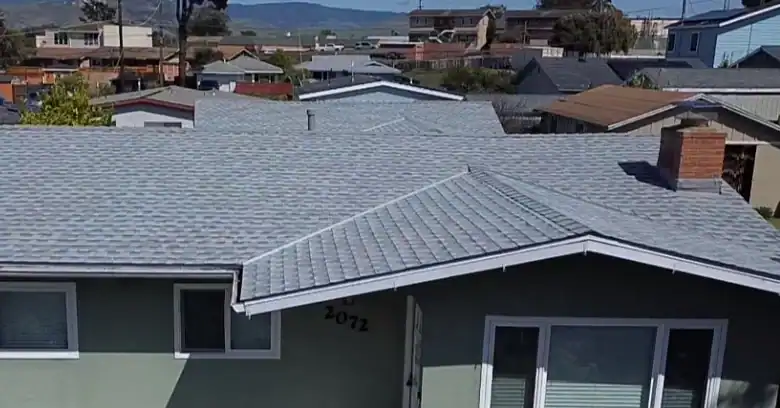
Thinking About Roofing Near Me for a Home in Grover Beach California?
Creative Roofing covers each step of putting a new roof on a house, across Grover Beach California and the neighboring communities.
Phone 805-723-2381 and describe the project you have in mind.
Day One of a Roof Project
A roofing project begins with a close look at the surface, the edges and the pipes, because the rest of the plan rests on the findings from that look. Loose granules, lifted edges, cracked flashing and soft spots all say something about the layers below, and the findings are worth asking to see.
Heat is the quiet cause behind much of the wear seen on roofs here, and a roofer who knows the area expects exactly that.
Repair, Patch or Replace
The right answer depends on how much sound material is left on the house, and the recommendation should come with the reasons attached. Ask to see the problem areas, either in photographs or from the ladder, because you are the one living under the result.
Hidden damage found during tear-off is the usual reason a project grows beyond its first outline, and agreeing on the approach in advance beats debating it with the roof open.
Shingle, Tile or Metal
Three families of material cover most residential roofs in this region, but the framing and the slope decide more than preference does. The shade of a roof affects how hot it runs in July, so do not settle the question from a photograph.
When the Crew Can Work
Dry months are the busy season for roofing, since an open roof and rain do not mix, and crews watch the forecast closely. Crews often start early in summer to get ahead of the hottest hours, and finishing early keeps people and materials in better shape.
What Happens on Demolition Day
The existing covering is stripped away and the deck is left exposed for inspection, and protecting the driveway and plants is worth asking about. Once the deck is bare, any damaged boards are replaced, and skipping the step shortens the life of an otherwise good roof.
The Hidden Layers
The surface you see is only the outer layer of a roof, and chimneys get particular care. The house is safest once the second layer is complete, and the visible covering goes on from there.
Where Roofs Meet Walls and Pipes
The places where a roof is interrupted are the places most likely to leak, so fresh metal is standard practice among careful crews. Vent boots and pipe collars are rubber or lead pieces that wear out before the roof does, so this is an easy step to ask about.
Attic Airflow
Heat collects in the space beneath the roof deck unless it has somewhere to go, so vents near the ridge give the hot air a way out. Adding vents at random may do little more than cut holes in the roof, and the answer should be part of the proposal.
Finishing the Job
When the last piece is installed, the cleanup begins, and that is part of the work, not an extra. Questions are easier to settle while the crew is still on site, and it only takes a few minutes.
Permits and Paperwork
Rules about reroofing differ from one city to the next, and the process is easier when someone handles it for you. Areas with wildfire exposure often have extra requirements for roofing materials and vents, and a roofer working in the area should already know them. A clear proposal lists what will be removed, what will be installed and what happens if the deck needs work, so compare any two side by side.
What Happens to the Yard
A busy work site needs boundaries, so tarps and plywood go down where debris will land. Cars parked in the driveway can be struck by falling nails or pieces of shingle, and a little planning prevents most accidents. Attic contents are best covered or moved before the work starts, and it is best done the night before.
The Few Days of Commotion
The calendar for a job is set by the roof, not by the wish list, so ask for the expected start and finish up front. A quick word with the people next door can head off complaints, and most people are tolerant when they know what to expect. Working from home during a roof job is possible, though not always pleasant, and a plan for the loud days makes them easier.
A Short List for Comparing Proposals
Ask what will be done with the old material and how the deck will be handled, and listen to how the answer is given. Product names and thicknesses on the proposal let you compare like with like, so ask before you sign anything. The way a roofer handles the unexpected says a lot about the whole operation, and the details are worth a closer look.
Small Habits That Extend Roof Life
A roof needs less attention than most parts of a house, but it needs some, and binoculars make the job easy. Debris on the roof holds moisture and wears the surface, and a small broom is often enough. Call a roofer after a major wind event or if you see a stain on a ceiling, so do not wait for the next storm.
When to Schedule the Work
Many homeowners wait until a leak appears before they think about a roof, and calling in spring avoids the rush. Spring can bring the first showers, so flexibility helps, and the covering you choose affects the timing as well.
Checking the Space Beneath the Deck
Rust on the points of roofing nails and dark patches on the sheathing are signs that moisture has been present for some time, so ask the roofer to look inside as well.
Getting Started in Grover Beach California
Anyone researching Roofing Near Me in Grover Beach California is one call away from a straight answer, so use 805-723-2381 to talk through the roof and the next step. Every roof is different, so every conversation starts from the house itself, so there is no harm in asking questions first. Putting off a roof question rarely makes it easier to answer, and the next step becomes obvious.
Verified

Verified
Verified
Verified






















