
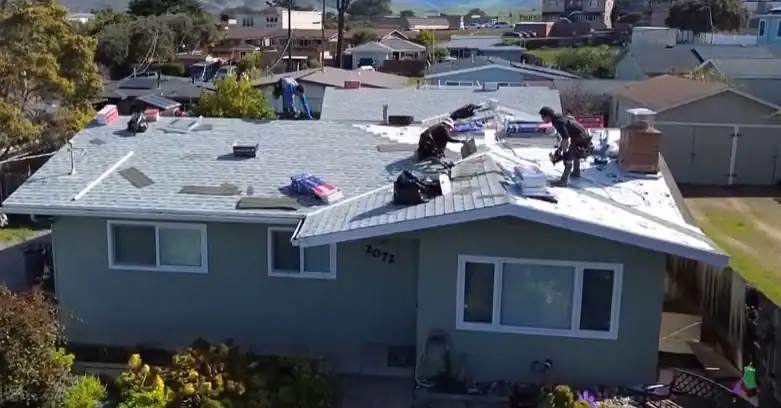
Searching for Roofing Contractor in Atascadero California?
Creative Roofing handles the planning, the tear-off and the cleanup of a roof job, for homes in Atascadero California and the towns around it.
Dial 805-723-2381 and tell us what has you thinking about the roof.
Where a Roofing Job Begins
Every roofing job starts with someone climbing up to see what is actually there, because the rest of the plan rests on the findings from that look. Loose granules, lifted edges, cracked flashing and soft spots all say something about the layers below, and the findings are worth asking to see.
Months of direct sun take a steady toll on whatever covers a house, so the south and west slopes get the closest attention.
What Should Actually Be Done
The right answer depends on how much sound material is left on the house, and the recommendation should come with the reasons attached. A roofer who explains the reasoning in plain terms is easier to trust with the work, and the answer tells you a lot.
Wood that has been wet for a long time has to be cut out and replaced, and it is easy to overlook.
Matching the Covering to the House
Most houses here wear one of three coverings, and the choice shapes everything else, and the pitch of the roof narrows the field quickly. A roof that faces strong sun all afternoon behaves differently depending on its shade, and it pays to look at them at different times of day.
When the Crew Can Work
Dry months are the busy season for roofing, since an open roof and rain do not mix, and temporary dry-in layers keep the house safe overnight. Crews often start early in summer to get ahead of the hottest hours, and finishing early keeps people and materials in better shape.
What Happens on Demolition Day
Tear-off gives the first real view of the structure under the roof, so landscaping and windows are covered before the first piece comes up. The deck is checked, mended and made flat for the next layer, and skipping the step shortens the life of an otherwise good roof.
Waterproofing Beneath the Surface
Underneath the visible covering sits a water-resistant layer that does much of the work, and valleys, eaves and penetrations get extra layers. The house is safest once the second layer is complete, and that is worth keeping in mind.
Small Metal Pieces, Large Consequences
Flashing is the thin metal that keeps water out where the roof meets something else, since worn metal under new material becomes the weak link. Pipe seals made of soft materials fail early in strong sun, so replacing them along with the roof removes a predictable problem.
Attic Airflow
A roof without enough ventilation bakes the attic and everything stored in it, and a proper system draws air in low and sends it out high. Mixing vent types without a plan can short-circuit the airflow, and the answer should be part of the proposal.
Leaving the Property Clean
Final cleanup means more than a quick sweep, and a magnetic sweep picks up stray nails. Questions are easier to settle while the crew is still on site, and it pays to think it through.
Local Rules and Paper Trails
Replacing a roof usually involves the local building department in some way, because surprises at the counter slow everything down. Certain hillside and edge-of-town areas follow stricter material rules than the valley floor, and a roofer working in the area should already know them. The best paperwork leaves little room for misunderstanding, and it is easy to overlook.
Keeping the Property Safe
A busy work site needs boundaries, and plants and patio furniture are moved or covered. Pets, children and cars are best kept away from the work area, and it pays to think it through. Hammering on the deck above can rattle a ceiling and drop dust into the rooms below, and a sheet over stored boxes keeps the grit off.
The Few Days of Commotion
A simple roof may go quickly while a complicated one takes longer, and plan on some slack for the weather. Roof work is loud, and the street will hear it, and the whole thing is over sooner than it seems. Household routines bend a little while the work is under way, and that is worth keeping in mind.
Getting Clear Before the Work Begins
Find out who will be on the roof and who will be in charge of the job, and write the answers down. Ask for the materials by name and manufacturer so you can look them up, and it should be written on the proposal. A change in scope should be written down and approved before the work continues, and it is better to know in advance.
Caring for the Roof Once It Is Done
Checking the roof twice a year takes only a few minutes, and the best times are before the rainy season and after the first big storm. Trim branches that touch or hang over the roof, and that is worth keeping in mind. Call a roofer after a major wind event or if you see a stain on a ceiling, and it is far easier to repair than to rebuild.
Timing a Roof Project Through the Year
Waiting for the first storm to find the weak spot means hiring in a hurry, and a little care goes a long way. Any month can work with the right planning and a willingness to move a day, and the best season is often the one that fits your calendar.
Roof Work and Your Attic
Rust on the points of roofing nails and dark patches on the sheathing are signs that moisture has been present for some time, and the findings can change the scope.
Talk to Us About Your Roof
Sorting out Roofing Contractor in Atascadero California is easier with someone who can look at the house, with 805-723-2381 ready whenever you are. Large or small, a roofing project goes best when the plan is clear before the work starts, so there is no harm in asking questions first. Putting off a roof question rarely makes it easier to answer, and that is a good place to begin.
Verified

Verified
Verified
Verified






















