
Thinking About Architectural Shingle Roof Contractors in Central Coast California?
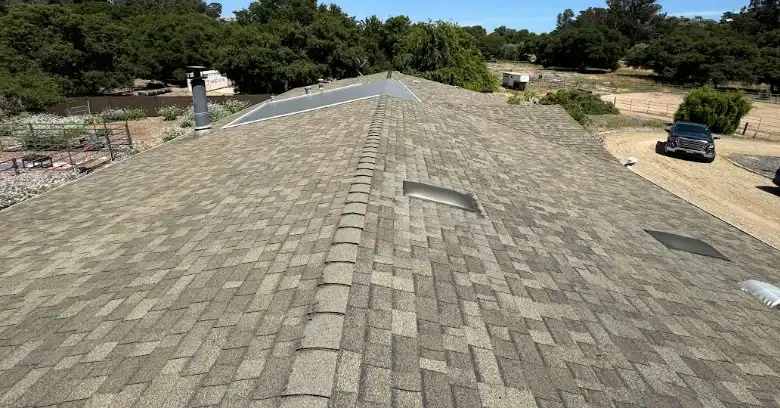
Creative Roofing works with layered shingles, starter strips, underlayment and ridge caps, from Central Coast California out to the surrounding area.
Dial 805-723-2381 and we will go over what a shingle roof involves.
Inside a Shingle
Each shingle is a thin sandwich of mat, asphalt and stone granules, so the whole shingle depends on all of them. Without a surface of mineral granules, the asphalt beneath would dry and crack in a short time, and the granules end up in the gutters.
Basic, Laminated and Premium
Flat shingles of this style are economical but wear out sooner than thicker kinds, so many homeowners compare it with thicker lines. Most new roofs on houses today use architectural shingles, which look richer and resist wind better, and the difference shows in the finished roof. Designer shingles are heavier and carefully styled to resemble natural slate or cedar, and the framing should be checked before choosing the heaviest types.
Heat Is the Slow Enemy
Months of direct sunshine take a toll that the eye picks up slowly, and the difference shows how much the sun contributes. Blisters appear when trapped moisture or heat pushes up the surface, and the pattern across the roof shows how far the wear has gone.
Cool Shingles and Heat Gain
Shingles in dark shades absorb more heat, and they can run noticeably hotter on a summer afternoon, and a little care goes a long way. Special coatings on the granules help send solar heat away from the house, and the difference is most noticeable in the hottest months.
Installation Details That Decide Longevity
Nails driven too high or too low weaken the hold of the whole course, and a crew that cuts corners here causes trouble later. The row at the eave is the most exposed to wind and water, which is why it gets special treatment, and the pattern is part of the manufacturer specification. Ridge caps finish the roof where two slopes meet and shed water over the crest, and it pays to think it through.
Seal Strips and Warm Weather
A shingle that never sealed can lift and flap in a gust, and a little care goes a long way. Strong seasonal winds can lift tabs that have lost their seal and tear them off the roof, and a prompt repair prevents a leak.
Balanced Intake and Exhaust
A hot attic cooks the shingles from underneath, and the damage adds to what the sun does on top, and the plan should be part of the proposal. The right combination depends on the shape of the roof and the size of the attic, and avoid anyone who ignores the question.
Waterproofing Layers and Metal Pieces
Self-adhering membranes at the eaves and valleys give extra protection where leaks start, and a better underlayment costs little in the whole job. An open valley shows a strip of metal, while a closed valley is covered with shingles, so quality work here matters a great deal.
Reading the Roof
Several signs together point to a roof that needs more than a patch, and one sign alone may not mean much. Patching makes sense when the damage is limited and the shingles are otherwise healthy, so ask for photographs of the problem areas. When the whole roof is brittle, curling and shedding granules, repairs become a losing game, and that is worth keeping in mind.
The Deck Decides What Happens Next
Removing every old layer is the usual starting point, since it exposes the deck and shows whether anything underneath needs repair, and the bare deck is also the moment to check ventilation openings. A roof-over saves effort in the short run, yet it prevents any look at what the old roof has been hiding, and a second layer is difficult to remove later. Sheathing that crumbles or feels spongy underfoot must be replaced before shingles can hold, and the details are worth a closer look.
Cleanup, Nails and Protecting the Property
Protecting the house is part of the work, not an extra, and the plan should say how landscaping and windows will be shielded, and move vehicles and furniture the night before. Rolling magnets across the lawn, the driveway and the planting beds collects what a rake and the eye miss, and that is worth keeping in mind. Gutters should be cleared of granules and debris once the new roof is on, since the first rains will wash any leftovers into the downspouts, and it costs little to keep them clear.
When to Schedule a New Roof
Most replacements here are scheduled for the long dry season, which gives the roof time to settle before the first winter storm, and a little care goes a long way. Very hot afternoons can scuff new shingles underfoot and make nails harder to drive cleanly, so many crews start at dawn in midsummer, and a rushed job in extreme heat is a poor bargain.
Rooftop Additions and Shingle Work
Roofers work around fixed obstacles all the time, but each one adds time and adds a place where water might enter, and replacing them together saves money. Ideally the roof is renewed before panels are installed, so that the new system is not removed again within a few seasons, and that is worth keeping in mind.
Matching Shingles After a Repair
Manufacturers change colors and blends over time, so an exact match for a discontinued shingle may simply not exist anymore, and it pays to think it through.
Gutters, Drip Edge and the Roofline
Metal edging installed under the underlayment at the eave and over it at the rake is the correct order, and it makes a visible difference to the durability of the edge, so look at them before the work starts.
What to Look for in Writing
Specific wording is the best protection against surprises, and the details are worth a closer look. A roofer who explains the process clearly is usually one who follows it, and it is easy to overlook.
Start the Conversation
People researching Architectural Shingle Roof Contractors in Central Coast California are welcome to call with questions, so use 805-723-2381 to set up the next step. Calling before a problem becomes urgent makes it easier to compare materials and schedules, and that is worth keeping in mind.






















