
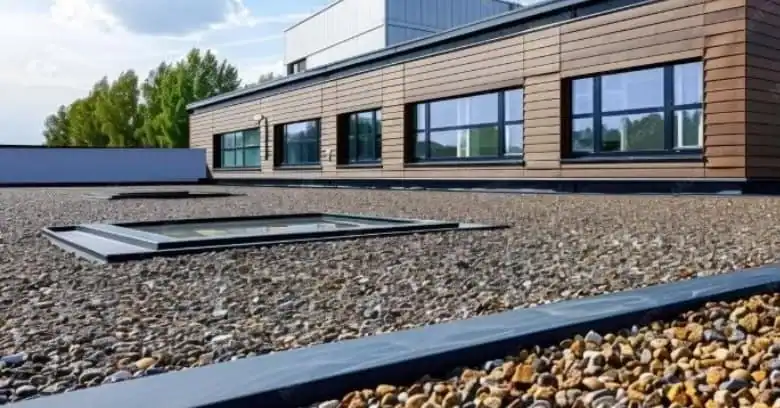
Researching BUR Roofing Near Central Coast California?
Creative Roofing handles the seams, drains and edges where a flat roof succeeds or fails, serving owners in Central Coast California and beyond.
Dial 805-723-2381 to arrange a visit to look at the roof.
The Challenge of a Level Surface
The gentle angle of a flat roof gives water time to find every weakness, so shingles are never the answer. Careful work at the seams, edges and drains is what keeps one dry, and it pays to think it through.
Types of Flat Roofing
Heat-welded sheets such as TPO are among the most popular choices for new flat roofs, and installation requires trained hands. The big rolls of rubber cover large areas with few seams, and the system suits many residential flat roofs. The multiple plies mean that a flaw in one layer is backed up by the next, and the system is heavy compared with single-ply.
The Weak Points of a Level Roof
Seams, corners, edges and penetrations are where problems begin on a low-slope surface, and that is worth keeping in mind. The edges around the perimeter take the most punishment from sun and wind, and the work is simple for a roofer.
Standing Water Is a Warning
Water that does not drain adds weight, breeds algae and ages the surface faster, and clear leaves and debris from scuppers. Adding drains or enlarging scuppers helps when the old ones were undersized, and a roofer can map the low areas.
Cool Roof Coatings and Light Membranes
Dark surfaces can reach temperatures much higher than the surrounding air, so the surface slowly dries and cracks. Reflective surfaces keep rooms below cooler and may reduce the load on air conditioning, and that is worth keeping in mind.
Foot Traffic, Equipment and Penetrations
Every pipe, vent and curb through a flat roof is a place where the membrane has to be cut and sealed, and it pays to think it through. A roof used as a patio or deck needs a protective layer or pavers, and avoid storing items on the roof.
What a Roof Can Still Do
Localized seams, flashings and punctures can be fixed without touching the rest of the roof, and temporary fixes should be called what they are. A restoration coat is a good choice for a roof that is dry beneath and sound in the field, so be cautious of any bid that skips the testing. Replacing wet insulation restores the performance of the roof and the comfort of the rooms below, and that is worth keeping in mind.
Residential Low-Slope Roofing
Residential low-slope roofs turn up over additions, covered patios, carports and contemporary houses designed with clean horizontal lines, and the wrong material on a flat roof will leak. Where a flat porch roof meets the wall of the main house, the membrane has to climb the wall and be capped so that water cannot run behind it, and a thorough repair covers the whole junction. Roof decks and patios built over living space need a waterproofing layer under the finished surface, and a failure there can be expensive to reach, and the details are worth a closer look.
Insulation, Slope and Comfort Under a Level Roof
Rooms beneath a flat roof often feel warmest in late afternoon, when the surface has soaked up a full day of sun, and the combination is worth planning. Cutting a small test square is another way to check, and it is sealed again as part of the same visit, and the map is a useful record.
Seasonal Checks for a Level Roof
A check in early autumn catches clogged drains, lifted seams and cracked sealant before the first storm tests them, and the work is quick. Noting the date and the weather when a leak appears helps the roofer find the cause, and cover furniture beneath a drip.
Holding a Membrane Down in a Gust
Edge metal, copings and terminations have to be fastened to a set pattern and sealed at the joints, or wind will find the gap and work it open, and expect a specific answer. A ballasted roof needs a structure strong enough to carry the added load, which is a point to confirm before choosing the system, and the details are worth a closer look. The more complicated the roof, the more a clear written scope matters, since each detail represents a possible source of dispute, and write everything down.
Everything That Breaks the Surface
Skylights and roof hatches sit on raised curbs that are flashed into the membrane, and the quality of that flashing decides whether they leak, so ask how every opening will be handled. The seal around a pipe on a low-slope roof has to be formed to match the membrane, because a generic rubber boot will not bond to every type, and a tidy roof is easier to maintain. A drain bowl that is sealed to the membrane with a clamping ring and sealant keeps water from creeping under the sheet at the outlet, and clear them after storms.
Questions for a Flat Roof Contractor
Look for the manufacturer system and the type of seam, whether welded, glued or taped, so ask for the details in writing. The answers tell you more than a brochure or a website ever could, so write down what each company says.
Keeping Disruption Small
Removing items from the roof, such as furniture and planters, saves time and prevents damage on the day the work begins, and tell the crew about pets and schedules.
What People Wonder When the Roof Is Flat
Plenty of owners assume a membrane has to be replaced at the first sign of wear, when a repair or a coating would have done the job, and it pays to think it through.
Talk to Us About Your Flat Roof
Owners weighing BUR Roofing in Central Coast California can begin by describing the building and the roof they have, so dial 805-723-2381 when it suits you. Even a quick call can clear up questions about membranes, coatings and timing, so reach out whenever you are ready.






















