
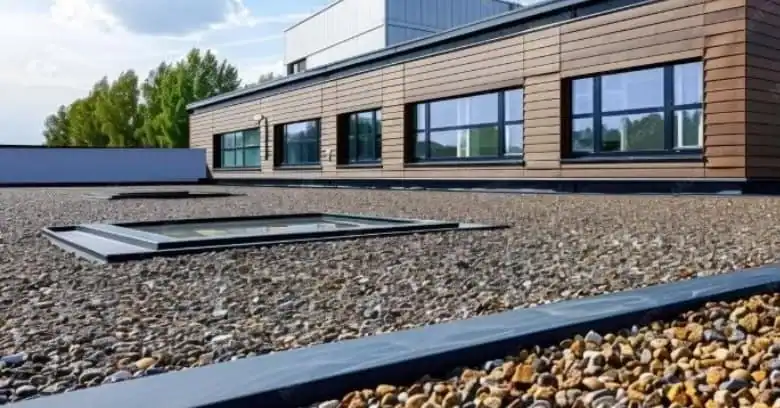
Looking Into BUR Roofs Serving Central Coast California?
Creative Roofing installs membranes, coatings and built-up layers on roofs that barely shed water on their own, throughout Central Coast California and the neighboring communities.
Dial 805-723-2381 and describe what you are seeing up there.
Why Flat Roofs Need Special Care
The gentle angle of a flat roof gives water time to find every weakness, and the quality of the seams decides everything. Because water stays on the surface, small flaws that a pitched roof would forgive become leaks on a flat one, so it pays to hire people who work on flat roofs regularly.
A Guide to the Main Options
TPO and PVC are single-ply sheets that are welded at the seams with hot air, creating a continuous waterproof surface, and installation requires trained hands. EPDM is a synthetic rubber sheet that is glued or mechanically fastened and has a long record on flat roofs, so periodic inspections are wise. Layered asphalt systems have been used for generations and are valued for redundancy, and the system is heavy compared with single-ply.
Seams, Edges and Where Leaks Start
Most flat roof leaks start at a detail rather than in the middle of the roof, and the field is checked last. Where a flat roof meets a wall, the membrane must turn up and be sealed and capped with flashing, and the work is simple for a roofer.
Scuppers, Drains and Slope
A roof that holds puddles is telling you about a low spot or a blocked drain, and clear leaves and debris from scuppers. Fixing the cause of ponding is better than repeatedly patching its effects, and a roofer can map the low areas.
How Heat Wears a Low-Slope Roof
A flat roof faces the sky all day, and the sun heats it far more than a steep roof ever experiences, and it is easy to overlook. Silicone, acrylic and elastomeric coatings are the main families used on flat roofs, so cleaning and repair come first.
Anything That Pokes Through or Sits on Top
Boots, pitch pockets and flashing collars around pipes must be sound and sealed, and the sealant at each one ages in the sun. A roof used as a patio or deck needs a protective layer or pavers, so ask the roofer to mark and protect the routes.
Repair, Recoat or Replace
Repairing a small area is practical when the surrounding material is still healthy, and temporary fixes should be called what they are. A restoration coat is a good choice for a roof that is dry beneath and sound in the field, and the survey is worth the small cost. When the roof is saturated, cracked and failing in many places, replacement is the only lasting answer, and that is worth keeping in mind.
Level Roofs at Home
Many homes combine a pitched main roof with flat sections at the back or the sides, and the two meet in a joint that needs careful flashing, and the wrong material on a flat roof will leak. Where a flat porch roof meets the wall of the main house, the membrane has to climb the wall and be capped so that water cannot run behind it, and describe where the stain appears. A roof used as living space has to meet higher standards than one that nobody walks on, and the details are worth a closer look.
Keeping Rooms Cool Below a Flat Surface
Because there is often little or no open space under the deck, heat from a hot summer day passes quickly into the rooms below unless the roof is well insulated, and the combination is worth planning. Water that gets into the insulation layer spreads sideways, so the damp area can be much larger than the visible stain on the ceiling, and that is often cheaper than a full tear-off.
Small Habits That Prevent Big Leaks
Drains, scuppers and gutters should be cleared first, since blocked outlets cause more damage than any other single fault, and a small repair now is nearly always cheaper. A stain on a ceiling after a storm is a clear signal to have the roof inspected before the next one arrives, and call early rather than late.
Securing the Roof Against the Wind
Seasonal gusts pull hardest at the perimeter of a low-slope roof, so the fastening pattern is tighter along the edges than in the middle of the field, and expect a specific answer. A ballasted roof needs a structure strong enough to carry the added load, which is a point to confirm before choosing the system, and the details are worth a closer look. Surprises about extra details are the most common cause of disagreement over flat roof bids, so be there for the visit if you can.
Roof Penetrations, Skylights and Hatches
A curb lifts the opening above the level of standing water, which is the main reason it exists, and the membrane must climb it and be sealed at the top, and no skylight should be roofed over without a plan. A roofer who plans the layout of penetrations before the work starts usually delivers a drier roof, and it pays to think it through. A drain bowl that is sealed to the membrane with a clamping ring and sealant keeps water from creeping under the sheet at the outlet, and a little care goes a long way.
Comparing Flat Roofing Proposals
A bid that only says new flat roof does not tell you what you are buying, and it lets you compare two bids fairly. Find out how drainage will be addressed and whether tapered insulation is included, and it is easy to overlook.
Keeping Disruption Small
Most flat roof jobs on a house or small building take only a few days, though adhesives and torch work call for dry weather and some advance planning, so ask how the schedule will work.
Common Worries Before a Flat Roof Project
Questions about a level roof are best answered by someone who has looked at it in person, and the answers are usually more reassuring than expected.
Tell Us What You Are Dealing With
Owners weighing BUR Roofs in Central Coast California can begin by describing the building and the roof they have, so dial 805-723-2381 when it suits you. Whether the roof is leaking now or you are planning ahead, an early conversation keeps your options open, so reach out whenever you are ready.






















