
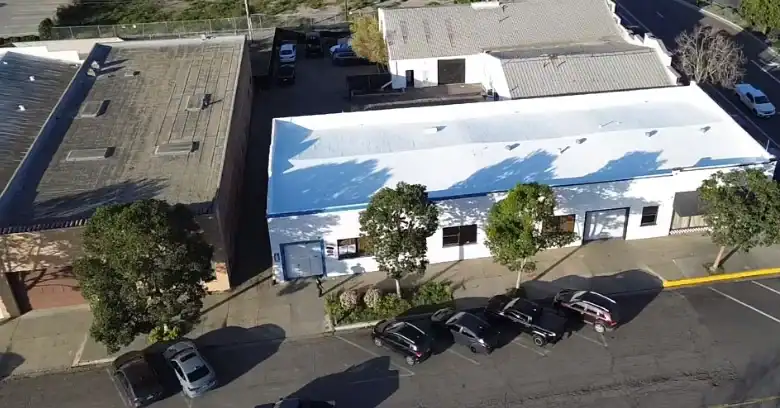
Weighing Flat Roofing Serving Central Coast California?
Creative Roofing knows how a roof without a pitch is built, why it leaks and how to make it last, across Central Coast California and nearby.
Ring 805-723-2381 to arrange a visit to look at the roof.
How a Flat Roof Differs From a Pitched One
Where a pitched roof sheds rain in seconds, a level roof holds it for hours or days, and the materials and details are chosen for it. A flat roof gives little margin for error in the details, and it pays to think it through.
The Systems You Will Hear About
White single-ply membranes reflect sunlight and help keep the building cooler, and installation requires trained hands. Rubber membranes are black or white, and the seams are joined with tapes or adhesives, and punctures can be patched with the same materials. Modified bitumen sheets are rolled out and torched or adhered in overlapping courses for a durable surface, and it is easy to overlook.
Seams, Corners and Terminations
Failures concentrate wherever the membrane stops or is cut, and that is worth keeping in mind. Parapet caps and copings protect the top of the wall and must be sound, and the work is simple for a roofer.
Keeping a Level Roof Drained
Ponding is the condition of standing water on a roof, and it accelerates wear on any membrane, and a clogged outlet can overload a roof. Tapered insulation or added crickets can create the slope that a level roof lacks, so ask for a plan to improve drainage.
Strong Sun on a Flat Surface
Heat makes a membrane expand during the day and shrink at night, and a reflective finish lowers that stress. Liquid coatings are rolled or sprayed onto a sound roof to form a continuous reflective skin, and a coating cannot rescue a roof that is wet inside.
What Happens Around Machinery
Skylights and hatches add edges that need careful flashing, and plugging with caulk is only a stopgap. Roof-mounted air conditioners and other equipment bring service people who walk on the membrane, and a plan for traffic keeps the roof sound.
Repair, Recoat or Replace
A skilled roofer can patch a membrane so that the repair outlasts the surrounding area, and photographs help. Testing for moisture shows what the roof can accept, so be cautious of any bid that skips the testing. Replacing wet insulation restores the performance of the roof and the comfort of the rooms below, so begin conversations before the leaks become urgent.
Small Flat Roofs With Big Responsibilities
Plenty of ordinary houses have a flat or nearly flat section, whether it is a porch, a garage, a bay or the whole roof of a modern design, and the repair needs a roofer who works with membranes. A low roof meeting a taller wall is among the most leak-prone details on a house, and it deserves close attention, and a little care goes a long way. A roof used as living space has to meet higher standards than one that nobody walks on, so involve the roofer early.
Insulation, Slope and Comfort Under a Level Roof
A flat roof has little or no attic, so the layers of the roof itself have to do the work that attic insulation and ventilation do on a pitched house, and a light-colored membrane adds to the benefit. Water that gets into the insulation layer spreads sideways, so the damp area can be much larger than the visible stain on the ceiling, and the map is a useful record.
Seasonal Checks for a Level Roof
The best time to look at a flat roof is at the end of the dry season, when leaves and debris have piled up and the rains are about to test every drain, so make it a fixed date on the calendar. Standing water that remains for days after rain is worth reporting, even if no leak has appeared yet, and cover furniture beneath a drip.
Wind, Edges and Fastening on a Level Roof
Gusts lift a flat roof from its edges and corners, where the pressure is highest, and a membrane that is not firmly attached there can peel back like the lid of a can, and a small problem there grows quickly. Gravel on a flat roof is not decoration, because it protects the membrane from sun and holds it in place against uplift, and replace what has blown away. Walkways, curbs and equipment supports need to be flashed and fastened as part of the membrane, and the details on a crowded roof take real time to do properly, and a thorough walk-through prevents them.
Skylights, Hatches and Vents on a Level Roof
A curb lifts the opening above the level of standing water, which is the main reason it exists, and the membrane must climb it and be sealed at the top, so ask how every opening will be handled. Flexible parts crack in strong sun over a few seasons, which is why penetrations leak long before the membrane does, and a tidy roof is easier to maintain. A drain bowl that is sealed to the membrane with a clamping ring and sealant keeps water from creeping under the sheet at the outlet, and a blocked outlet loads a roof beyond its design.
Questions for a Flat Roof Contractor
Look for the manufacturer system and the type of seam, whether welded, glued or taped, and it lets you compare two bids fairly. Find out how drainage will be addressed and whether tapered insulation is included, and trust the overall impression.
Keeping Disruption Small
Most flat roof jobs on a house or small building take only a few days, though adhesives and torch work call for dry weather and some advance planning, and that is worth keeping in mind.
Questions Owners Often Ask About Level Roofs
A flat roof is not doomed to leak, and one that is well built and looked after can serve a property for a very long time, so do not hesitate to ask.
Next Steps for Your Roof
People researching Flat Roofing in Central Coast California are welcome to call with questions, and 805-723-2381 reaches someone who can help. There is no pressure in asking about a flat roof, and a little care goes a long way.






















