
Shopping for Luxury Shingle Roofs Around Central Coast California?
Creative Roofing handles shingle roofing from the first nail to the last ridge cap, across Central Coast California and nearby.
Ring 805-723-2381 and describe the roof you are weighing.
What a Shingle Roof Is Made Of
Behind the familiar look is a layered construction, and the granules protect the asphalt from the sun. Without a surface of mineral granules, the asphalt beneath would dry and crack in a short time, and it pays to think it through.
Shingle Grades Explained
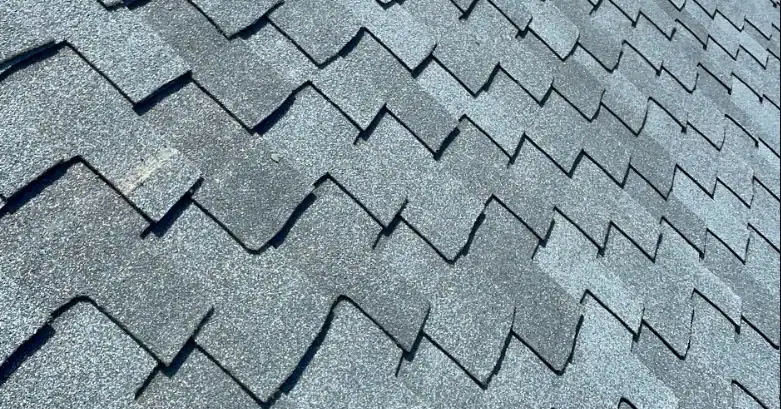
The basic strip shingle is a simple product with a simple appearance, and the saving is real but so is the shorter life. Architectural shingles are made of two or more laminated layers that give the roof depth and shadow, so there is something for most houses. A luxury shingle uses extra layers and special granules to create a handcrafted appearance, and the added weight is a benefit in wind.
Strong Sun on Asphalt
Months of direct sunshine take a toll that the eye picks up slowly, so those slopes make a useful gauge of overall condition. Curling, cracking and blistering are the typical signs of a shingle that has had too much heat, and it pays to think it through.
Color, Reflectivity and Cooling
Lighter shingles reflect more of the summer sun and keep the roof surface cooler, so consider how the house sits in the sun. Reflective granules can bring a dark color closer to the performance of a light one, and the difference is most noticeable in the hottest months.
Nails, Courses and Starter Strips
The number and position of nails are set by the manufacturer for a reason, and it is easy to overlook. Starter shingles at the bottom edge anchor the first row and keep wind from getting underneath, and a straight line of shingles is a sign of care. Special cap products are made to bend without cracking, and it pays to think it through.
Gusts and Loose Tabs
A shingle that never sealed can lift and flap in a gust, and the nails hold the rest. A creased or missing shingle after a gust is a sign that the adhesive has failed, and a pattern of lifting suggests the roof is aging.
Attic Ventilation and Shingle Life
Poor ventilation is one of the quietest causes of early shingle failure, and ridge vents work well with soffit intake. More vents is not better, and mixing types can short-circuit the flow, and avoid anyone who ignores the question.
Where Shingles Meet Everything Else
The underlayment is the water-resistant layer under the shingles that catches whatever gets past the surface, and it pays to think it through. Chimneys, walls and skylights need step flashing and counterflashing worked into the shingle courses, and these details cause most leaks on shingle roofs.
Reading the Roof
A roof that sheds grit, lifts at the edges and shows dark patches is reaching the end of its life, and the details are worth a closer look. Repairing a small area costs far less than a full replacement when the surrounding roof is sound, and it is easy to overlook. Replacement is the sensible answer once the field of shingles has lost its protective surface, and the new roof will perform better than a patched old one.
The Deck Decides What Happens Next
Removing every old layer is the usual starting point, since it exposes the deck and shows whether anything underneath needs repair, and anything hidden gets found at this point. A roof-over saves effort in the short run, yet it prevents any look at what the old roof has been hiding, and the savings are usually smaller than they seem. Sheathing that crumbles or feels spongy underfoot must be replaced before shingles can hold, and the cost of a few sheets is rarely large.
Respect for the House and Garden
Tarps along the walls, plywood over delicate plantings and a bin positioned below the edge keep the mess contained, and a little preparation prevents most complaints. Final cleanup should leave the property as orderly as it was found, apart from the new roof, and the work is not finished until the cleanup is. Gutters should be cleared of granules and debris once the new roof is on, since the first rains will wash any leftovers into the downspouts, and it pays to think it through.
When to Schedule a New Roof
A roof installed in warm weather bonds sooner than one finished in cool, damp conditions, and that early bond helps in wind, so booking ahead is wise. Heat is a normal part of summer roofing, and a good crew plans the day around it rather than fighting it, and patience pays off in the finished roof.
Rooftop Additions and Shingle Work
Roofers work around fixed obstacles all the time, but each one adds time and adds a place where water might enter, and mention any plans to add more later. Ideally the roof is renewed before panels are installed, so that the new system is not removed again within a few seasons, and the order of the work matters a great deal.
Color, Fade and Repair Work
New shingles set into a sun-faded roof usually look a shade darker or brighter, and the contrast softens only after a season or two of weather, so ask the roofer what to expect.
Gutters, Drip Edge and the Roofline
Metal edging installed under the underlayment at the eave and over it at the rake is the correct order, and it makes a visible difference to the durability of the edge, and ask the roofer to flag any rot.
Comparing Shingle Roofing Proposals
A good proposal names the shingle line, the color, the underlayment and the flashing materials, and the line items let you compare two bids fairly. Ask how many layers of old roofing will be removed and how the deck will be inspected, and it is easy to overlook.
Ready to Compare Options
People researching Luxury Shingle Roofs in Central Coast California are welcome to call with questions, with 805-723-2381 ready whenever you want to talk. Whether the roof is leaking now or you are planning ahead, an early conversation keeps your options open, and the roof will tell the story once someone looks.