
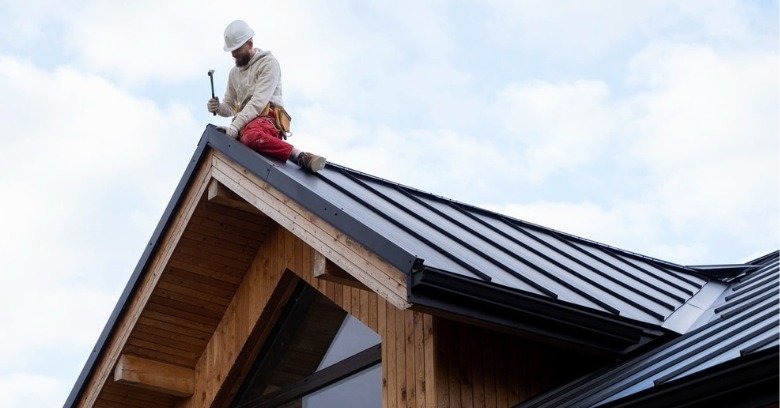
Considering Standing Seam Metal Roofers Around Central Coast California?
Creative Roofing handles metal roofing for houses, porches, garages and outbuildings, for homes in Central Coast California and the towns around it.
Ring 805-723-2381 and ask about metal for your roof.
A Roof Made of Steel or Aluminum
Metal roofing means coated steel or aluminum panels fastened over a solid deck and a protective underlayment, and the choices interact with one another. Copper and zinc are used on special projects and age with a distinctive patina, so the choice depends on the house and the budget.
The Shapes Metal Takes
Hidden fasteners are the signature of a standing seam system, and the panels are formed to length on site or at a shop. A ribbed panel is quicker to install, and the screws are visible along the rows, so maintenance is part of the deal. Metal shingles and tiles are stamped to mimic slate, shake or clay while staying light, so they appeal to people who worry about noise.
Sun, Heat and Finish
Months of ultraviolet light fade finishes that are not made to resist it, and quality finishes are made for that exposure. Cool-roof coatings are designed to reflect sun and shed heat quickly, and ventilation underneath still matters.
Thermal Movement Explained
Movement is a fact of life for metal, and the design has to allow for it, and good detailing allows for it. Exposed fasteners rely on rubber washers that harden and crack in strong sun, and neglect is what lets small leaks start.
Wind, Edges and Seasonal Gusts
Metal panels are strong and well attached, yet wind finds edges before anything else, so trim should be fastened to a proper pattern. A well-finished ridge looks tidy and stays weathertight, and that is worth keeping in mind.
Fire Safety on a Metal Roof
Wildfire season has made many homeowners look closely at noncombustible roofing, and closures at the eave are part of the answer. Embers can enter through gaps, so tight details are important, so sweep leaves and needles away regularly.
Rain, Heat and Quiet Rooms
The sound of weather depends on what is under the metal, and the deck and underlayment absorb most of it. Metal roofs reflect heat and can help keep an attic cooler when installed with a proper air gap, and the results are noticeable in summer.
Preparing the Deck for Panels
Metal panels need a flat, solid deck, and any damaged sheathing is replaced before the panels go on, and that is worth keeping in mind. Each opening in the roof gets its own detail, and each one is a chance for a leak, so look at the trim and the corners when the work is done. Snap-lock panels are pressed together row by row as the roof goes up, and a straight roof looks as good as it performs.
What a Metal Roof Needs From You
Yearly attention to fasteners, seams and trim keeps a metal roof sound, and clear leaves from valleys and gutters. Fasteners must be compatible with the panel metal to avoid galvanic reactions, and the roofer should know the rules.
Where the Water Goes
The first big rain of the season tests every drainage detail on a house, and valleys need to be wide and clean. Water leaving a smooth panel can shoot past a standard gutter in a heavy downpour, so ask how the gutters will be positioned.
Retrofit Questions
A retrofit system uses strips or battens fastened over the old covering to carry the new panels, so the roofer should look before recommending it. Tearing off the old roof allows the deck to be inspected and repaired, and it costs more in time and disposal.
Matching Panel to Pitch
Not every metal panel is suited to every roof slope, and the manufacturer lists the minimum slope. Combining two panel types on one house is common and usually works well, and a good installer will have done it before.
Thinking Beyond the First Installation
The material itself does not rot, crack or curl the way other coverings can, and it is worth paying for good installation. Homebuyers often view a metal roof as a selling point, especially in areas with wildfire concern, and a little care goes a long way.
Avoiding Trouble Before It Starts
Oil canning, the waviness sometimes seen in flat panel areas, is mostly a matter of handling and fastening, and asking for references is reasonable. Heavy foot traffic on thin panels leaves marks that never go away, and a small touch-up prevents a big problem.
Reading a Metal Roof Quote
Vague wording about metal roofing leaves too much to chance, and it is the specifics that you are really buying. Questions about past projects of the same type are reasonable, so do not hesitate to ask.
What the Coating Is Made Of
Baked-on paint systems protect metal panels and give them their color for many seasons, so ask what finish is on the panels. Samples held up against the siding and the trim reveal how colors work together, and do not decide from a screen. A quick check before ordering avoids an expensive surprise, and a good contractor already knows the local rules.
Gutters, Trim and the Finishing Touches
Drip edge, fascia and gutters frame a metal roof, and each one has to be chosen and installed with the panel style in mind, and the details are worth discussing before work begins. Cleaning the gutters before the rainy season is the simplest way to avoid overflow at the eave, and the roof will repay the effort.
Planning the Calendar for Metal
The wait between choosing a color and receiving the material is a normal part of a metal job, and ask for an honest estimate of the wait.
Next Steps for Your Roof
A conversation about Standing Seam Metal Roofers in Central Coast California usually starts with the style of the home, with 805-723-2381 ready whenever you want to talk. Even a quick call can clear up questions about panels, finishes and timing, and the roof will tell the story once someone looks.






















