
Choosing Premium Shingle Roofs in Central Coast California?
Creative Roofing installs and repairs the shingle coverings found on most houses in the area, for homes in Central Coast California and the towns around it.
Call 805-723-2381 and ask about a shingle roof for your house.
Inside a Shingle
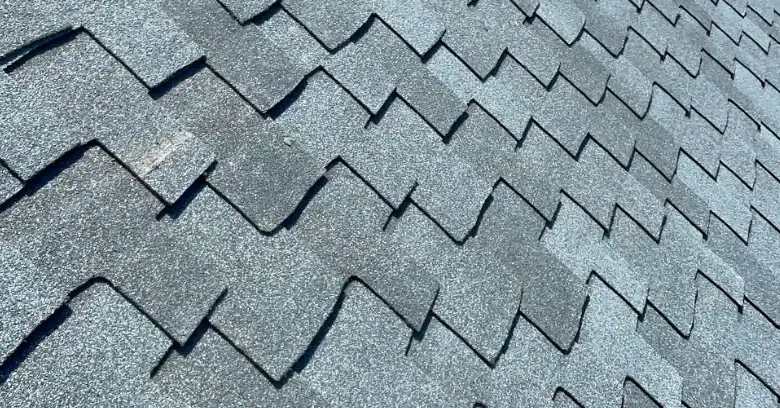
An asphalt shingle is a fiberglass mat soaked in asphalt and covered with ceramic-coated granules, and the mat gives the piece its strength. Without a surface of mineral granules, the asphalt beneath would dry and crack in a short time, and the granules end up in the gutters.
Three-Tab, Architectural and Designer Lines
The basic strip shingle is a simple product with a simple appearance, and fewer new roofs use it today. The extra layer adds weight and strength, and the cut pattern breaks up the lines, so there is something for most houses. A luxury shingle uses extra layers and special granules to create a handcrafted appearance, and a sample on site shows the difference clearly.
Heat Is the Slow Enemy
Long dry summers bake a shingle roof for months with very little relief from rain, and that is worth keeping in mind. A shingle that has begun to curl no longer lies flat against the roof, and it pays to think it through.
Picking a Shade That Works in the Sun
A pale shade reflects more sunlight than a dark one, which can reduce heat entering the attic, so consider how the house sits in the sun. Cool shingle lines are designed to lower roof temperatures without changing the look much, and the details are worth a closer look.
How Shingles Are Laid
Nails driven too high or too low weaken the hold of the whole course, and it is easy to overlook. Offsetting the seams from row to row keeps leaks from lining up, and crooked rows are a warning. Ridge caps finish the roof where two slopes meet and shed water over the crest, and a sloppy ridge is a common weak spot.
Gusts and Loose Tabs
Seal strips need warmth to activate, which is why roofs installed in cool weather may take longer to bond, and a little care goes a long way. Pieces that blow off expose the underlayment, which is not meant to sit in the sun, and the details are worth a closer look.
Air Movement Under the Deck
Poor ventilation is one of the quietest causes of early shingle failure, so check that the soffit openings are not blocked by insulation. Attic fans, gable vents and ridge vents each work differently and should not fight each other, and that is worth keeping in mind.
Where Shingles Meet Everything Else
The underlayment is the water-resistant layer under the shingles that catches whatever gets past the surface, and it pays to think it through. Every pipe and vent through the deck needs a boot or collar that is sealed and replaced with the roof, and a careful crew takes extra time at the details.
Is It Time for a New Roof
A roof that sheds grit, lifts at the edges and shows dark patches is reaching the end of its life, and early action keeps choices open. Patching makes sense when the damage is limited and the shingles are otherwise healthy, and the key is an honest assessment. Replacement is the sensible answer once the field of shingles has lost its protective surface, so plan the project before the leaks begin.
Tear-Off, Layers and the Deck Beneath
A complete tear-off lets the roofer inspect each sheet of decking and replace any that has been stained, softened or split, and it pays to think it through. Local rules often limit the number of layers a roof may carry, and many roofers prefer a clean start in any case, and a little care goes a long way. Sheathing that crumbles or feels spongy underfoot must be replaced before shingles can hold, and expect a call with photographs.
Debris, Magnets and Final Sweeps
A shingle tear-off throws old material in every direction, so a careful crew covers plants, vents and the ground before the first piece comes off, and the crew returns it to normal when finished. Rolling magnets across the lawn, the driveway and the planting beds collects what a rake and the eye miss, and that is worth keeping in mind. Letting grit and leaves pile up in a gutter can lead to overflow along the fascia and the foundation, and a clear gutter is cheap protection.
Dry Months and Warm Days
Timing a project well means picking a stretch of dry days and leaving some room for delays, and flexibility makes scheduling easier. Shade, water and early starts are the usual ways of coping with the heat on a dark roof, and the schedule bends to the weather.
Working Around Things That Share the Roof
Skylights and chimneys are best flashed with new metal whenever the shingles are replaced, since reusing old pieces under a new roof invites a leak, and mention any plans to add more later. Solar panels bolted to a shingle roof have to be removed and reinstalled when the roof is replaced, so the two projects should be planned together, and the order of the work matters a great deal.
Blending New Shingles Into an Older Roof
A roofer can often borrow shingles from a hidden slope or the back of the house to repair a more visible area, which gives the best match, and it pays to think it through.
Protecting the Fascia and the Foundation
Shingles should overhang the drip edge by a small, consistent amount so that water drops cleanly into the gutter instead of curling back under, and old fascia boards are easy to replace while the roof is open.
Comparing Shingle Roofing Proposals
Look for the product by name so that you can compare it with another bid, and the line items let you compare two bids fairly. Ask about the schedule and how the roof will be covered if rain is forecast, and the answers are worth writing down.
Talk to Us About a Shingle Roof
Homeowners weighing Premium Shingle Roofs in Central Coast California can begin by describing the house and the look they want, and the number is 805-723-2381. Even a quick call can clear up questions about shingle grades, colors and timing, and the roof will tell the story once someone looks.