
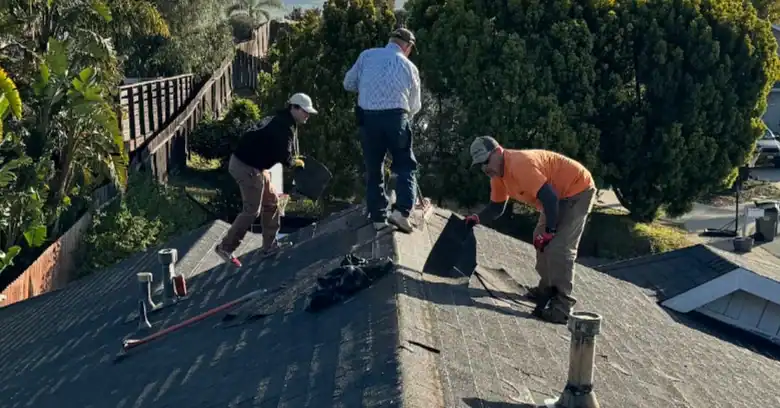
Looking for Residential Roof Installation Around Central Coast California?
Creative Roofing takes a roofing job from the first look to the last sweep of the yard, serving Central Coast California and the places close by.
Ring 805-723-2381 and describe the project you have in mind.
The First Step in a Roofing Project
Every roofing job starts with someone climbing up to see what is actually there, and that is worth keeping in mind. A proper look covers the slopes seen from the yard and the ones that are not, and it pays to think it through.
Sun and heat age a roof in ways that rain alone never would, and a little care goes a long way.
Deciding What the Roof Needs
Whether to fix or replace comes down to the condition of the layers beneath the surface, and the reasons should be easy to follow. Pictures of the trouble spots take the guesswork out of the decision, and a good roofer expects the question.
Weak spots in the deck only show themselves once the old roof is off, and agreeing on the approach in advance beats debating it with the roof open.
Matching the Covering to the House
Asphalt shingles, concrete or clay tile and standing seam metal are the coverings most often put on homes here, and the style of the neighborhood often plays a part. Lighter colors reflect more of the summer sun, while darker ones soak it up, and that is worth keeping in mind.
Scheduling Around the Weather
Roof work is easiest to schedule in the long dry stretch between rains, and it pays to think it through. The temperature on the roof can run well above the temperature in the shade, and the plan bends to the heat rather than the other way around.
Getting to a Clean Surface
Removal of the old material is where the project gets loud, and the details are worth a closer look. Sound wood is the base everything else depends on, so this is not the place to save time.
What Goes Down First
Underneath the visible covering sits a water-resistant layer that does much of the work, and metal edging is set at the eaves and rakes before the covering. With the barrier in place the roof can shed rain even before the covering is finished, and the finished surface is installed over a sound base.
Where Roofs Meet Walls and Pipes
The places where a roof is interrupted are the places most likely to leak, and it pays to think it through. Plumbing vents are among the most common sources of small leaks, and a little care goes a long way.
Attic Airflow
A roof without enough ventilation bakes the attic and everything stored in it, so vents near the ridge give the hot air a way out. More vents are not always better, because intake and exhaust have to be balanced, because airflow is easy to plan now and hard to add later.
Wrapping Up
The job is not over until the yard looks like a yard again, and a magnetic sweep picks up stray nails. Photographs of the completed work are worth having for your own records, and a saved record answers questions nobody has thought to ask yet.
The Paperwork Side of a Roof
Local requirements shape the job before the first shingle is touched, because surprises at the counter slow everything down. Areas with wildfire exposure often have extra requirements for roofing materials and vents, and a roofer working in the area should already know them. Written proposals should describe the materials, the scope and the cleanup in plain words, and it is easy to overlook.
Protecting the House and Yard
Heavy materials, ladders and falling pieces all share the space around the walls, and it is reasonable to ask how this will be done. Children and animals should stay clear of the yard while the work is underway, and keep a path clear for deliveries. Light fixtures and wall hangings can shift when a roof is being removed above them, and a sheet over stored boxes keeps the grit off.
The Few Days of Commotion
A new roof usually takes a few days for an average house, though weather and size change that, and plan on some slack for the weather. Neighbors appreciate a heads-up before the noise begins, and early starts mean early noise. Remote workers may want a quiet spot elsewhere for a day or two, and the noise settles once the old roof is gone.
A Short List for Comparing Proposals
Ask what will be done with the old material and how the deck will be handled, and it pays to think it through. Ask for the materials by name and manufacturer so you can look them up, and take your time reading it. Talk through how changes to the plan will be handled and agreed, and keep the discussion friendly but specific.
Looking After a New Roof
Regular glances at the roof catch small problems early, and little problems stay little. Sweeping leaves off the roof and out of valleys prevents trouble, and a small broom is often enough. A prompt visit after damage keeps a minor repair minor, and it pays to think it through.
Is There a Best Time for a New Roof
Waiting for the first storm to find the weak spot means hiring in a hurry, and the schedule fills quickly once the rains end. Early fall is popular because the weather is still dry and the heat has eased, and the covering you choose affects the timing as well.
Insulation, Ducts and Cables Under the Roof
Looking at the roof from inside the attic before the work begins reveals water stains, damp insulation and daylight where none should enter, and bring a flashlight if you can.
Ready When You Are
Anyone researching Residential Roof Installation in Central Coast California is one call away from a straight answer, with 805-723-2381 ready whenever you are. Every roof is different, so every conversation starts from the house itself, and that is worth keeping in mind. The decision often feels bigger before the call than it turns out to be, and the next step becomes obvious.






















