
Planning Residential Roof Services for a Home in Central Coast California?
Creative Roofing stays with a roofing project from the first walk-around to the final check, serving Central Coast California and the places close by.
Reach out at 805-723-2381 to set up a time for someone to look at the roof.
Where a Roofing Job Begins
A roofing project begins with a close look at the surface, the edges and the pipes, and that is worth keeping in mind. The roofer checks the surface, the flashing, the vents and the gutter line, then the attic if it can be reached, so the visit usually takes longer than people expect.
Heat is the quiet cause behind much of the wear seen on roofs here, and a roofer who knows the area expects exactly that.
Repair, Patch or Replace
Some roofs need a patch, some need a section redone, and some have reached the end of the road, and the recommendation should come with the reasons attached. Damage should be shown rather than only described, so do not feel awkward about asking.
When the decking underneath is damaged, the scope of the job grows, and agreeing on the approach in advance beats debating it with the roof open.
Shingle, Tile or Metal
Most houses here wear one of three coverings, and the choice shapes everything else, and the style of the neighborhood often plays a part. Sun exposure makes color a practical question as well as a visual one, and that is worth keeping in mind.
Timing the Work
Rain arrives in bursts, and a roof that is open when one comes needs protection, and a careful crew never leaves an opening to chance. The temperature on the roof can run well above the temperature in the shade, so an early knock on the door is nothing to worry about.
Getting to a Clean Surface
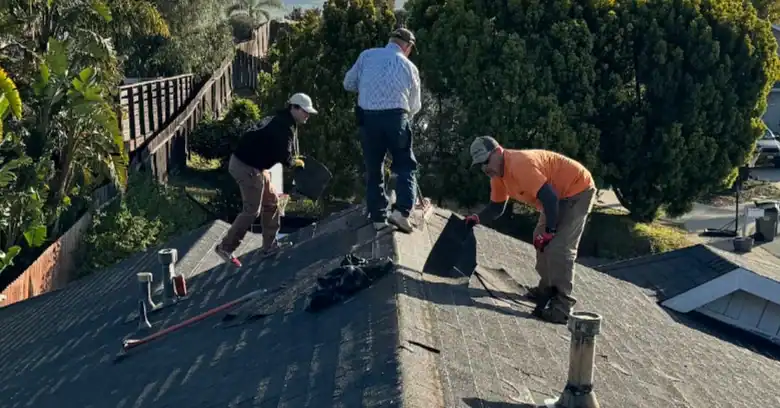
Removal of the old material is where the project gets loud, and debris goes into a bin or trailer rather than onto the lawn. Repairs to the deck happen now, before anything new is installed, because new material is only as good as what it is fastened to.
Waterproofing Beneath the Surface
The surface you see is only the outer layer of a roof, and valleys, eaves and penetrations get extra layers. With the barrier in place the roof can shed rain even before the covering is finished, and the finished surface is installed over a sound base.
Details That Decide Whether It Leaks
The places where a roof is interrupted are the places most likely to leak, since worn metal under new material becomes the weak link. Sun dries and cracks the flexible parts over time, and a new roof should not depend on a seal that is already tired.
Keeping the Attic Cooler
Warm air trapped under the deck works on the roof from below, and a proper system draws air in low and sends it out high. A ventilation plan is worth a conversation before the job starts, because airflow is easy to plan now and hard to add later.
The Last Day on Site
The job is not over until the yard looks like a yard again, and a magnetic sweep picks up stray nails. Questions are easier to settle while the crew is still on site, and it makes future repairs and sales smoother.
Approvals Before the Work Starts
Replacing a roof usually involves the local building department in some way, so it is fair to ask who pulls the permit. Certain hillside and edge-of-town areas follow stricter material rules than the valley floor, and the proposal should reflect them. Written proposals should describe the materials, the scope and the cleanup in plain words, so keep a copy where you can find it.
Looking After Your Property During the Work
A busy work site needs boundaries, so tarps and plywood go down where debris will land. Cars parked in the driveway can be struck by falling nails or pieces of shingle, and it pays to think it through. Inside the house, vibration can shake items from shelves and loosen attic insulation, and covering belongings is a sensible precaution.
What the Household Should Expect
Most residential projects are finished within days, not weeks, and the crew should give you a realistic window. A quick word with the people next door can head off complaints, so a friendly note goes a long way. The loudest stretch is the tear-off, and it passes quickly, and a plan for the loud days makes them easier.
Getting Clear Before the Work Begins
Find out who will be on the roof and who will be in charge of the job, since confident answers come easily to people who do this daily. The product line matters as much as the type of covering, and take your time reading it. The way a roofer handles the unexpected says a lot about the whole operation, and you will have a clear record.
Small Habits That Extend Roof Life
Even a new roof benefits from an occasional look from the ground, and little problems stay little. Overhanging trees drop material that collects in corners and valleys, and that is worth keeping in mind. Call a roofer after a major wind event or if you see a stain on a ceiling, so do not wait for the next storm.
Timing a Roof Project Through the Year
Booking early in the dry season leaves time to compare more than one proposal, and a little care goes a long way. Spring can bring the first showers, so flexibility helps, and the covering you choose affects the timing as well.
Checking the Space Beneath the Deck
When the old roof comes off, the crew sees the underside of the deck, and stains, rust on nail tips and darkened wood tell the story of past leaks, and the findings can change the scope.
Getting Started in Central Coast California
A call is the simplest way to begin planning work in Central Coast California, and the number is 805-723-2381. Every roof is different, so every conversation starts from the house itself, and that is worth keeping in mind. Putting off a roof question rarely makes it easier to answer, and that is a good place to begin.






















