
Weighing Residential Roofing Repair in Central Coast California?
Creative Roofing covers each step of putting a new roof on a house, for homes in Central Coast California and the towns around it.
Ring 805-723-2381 to set up a time for someone to look at the roof.
Before Anything Is Torn Off
Before any material is chosen, the existing roof has to be understood, and a rushed visit tends to cost more than it saves. A proper look covers the slopes seen from the yard and the ones that are not, and that is the evidence a sensible plan is built on.
Sun and heat age a roof in ways that rain alone never would, so the south and west slopes get the closest attention.
Choosing How Far to Go
Some roofs need a patch, some need a section redone, and some have reached the end of the road, and an honest roofer will say which one applies. Damage should be shown rather than only described, and a good roofer expects the question.
When the decking underneath is damaged, the scope of the job grows, and nobody should be surprised when it happens.
Picking a Roof Covering
Asphalt shingles, concrete or clay tile and standing seam metal are the coverings most often put on homes here, and the pitch of the roof narrows the field quickly. Color deserves more thought than it usually gets, so hold a sample against the house in daylight.
Planning for Rain and Heat
Rain arrives in bursts, and a roof that is open when one comes needs protection, so exposed areas get covered at the end of each day. Crews often start early in summer to get ahead of the hottest hours, and a little care goes a long way.
What Happens on Demolition Day
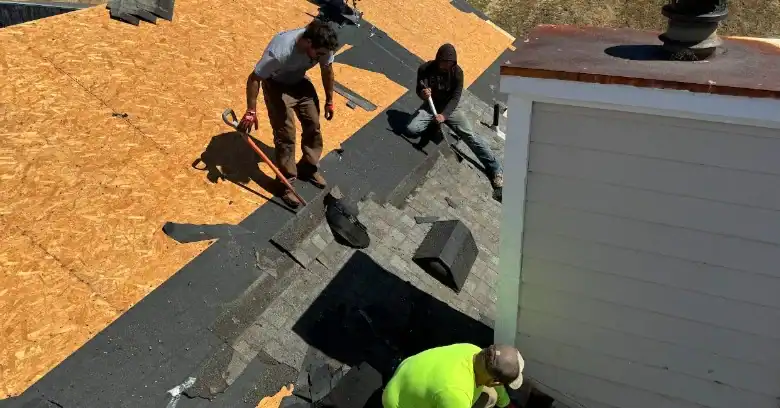
Old roofing comes off in layers, down to the bare decking, and protecting the driveway and plants is worth asking about. The deck is checked, mended and made flat for the next layer, and skipping the step shortens the life of an otherwise good roof.
Underlayment and Drying In
The surface you see is only the outer layer of a roof, and metal edging is set at the eaves and rakes before the covering. Once the underlayment is down, the house is considered dried in, so the rest of the work can proceed without worry.
Where Roofs Meet Walls and Pipes
The places where a roof is interrupted are the places most likely to leak, so fresh metal is standard practice among careful crews. Sun dries and cracks the flexible parts over time, so this is an easy step to ask about.
Air Under the Roof
Attic heat is behind many worn roofs and many large cooling bills, and the details are worth a closer look. Adding vents at random may do little more than cut holes in the roof, and the answer should be part of the proposal.
Cleanup and the Final Walk-Through
Once the roofing is done, the property has to be put back in order, and a magnetic sweep picks up stray nails. Looking at the ridge, the valleys and the flashing with the roofer present is time well spent, so keep the paperwork and pictures together.
Approvals Before the Work Starts
Replacing a roof usually involves the local building department in some way, because surprises at the counter slow everything down. Fire safety rules in some neighborhoods affect which coverings are allowed, and a roofer working in the area should already know them. Vague wording on a proposal is a reason to ask questions, so compare any two side by side.
Protecting the House and Yard
A roofing job puts a lot of weight, noise and debris around a house, and a careful crew sets them before the work begins. Children and animals should stay clear of the yard while the work is underway, so tell the crew about anything fragile or valuable. Hammering on the deck above can rattle a ceiling and drop dust into the rooms below, so it is wise to take down fragile pictures first.
Noise, Neighbors and Daily Life
Most residential projects are finished within days, not weeks, and nobody can promise a date through a rain delay. Neighbors appreciate a heads-up before the noise begins, and it is easy to overlook. The loudest stretch is the tear-off, and it passes quickly, and that is worth keeping in mind.
Questions That Reveal the Difference
Ask how the crew protects the house when rain is in the forecast, since confident answers come easily to people who do this daily. A proposal that only says shingles or tile is not specific enough, and it should be written on the proposal. Ask what happens if something unexpected turns up under the old roof, and the details are worth a closer look.
Small Habits That Extend Roof Life
Even a new roof benefits from an occasional look from the ground, and the best times are before the rainy season and after the first big storm. Keep the gutters clear of leaves and needles, especially at the end of the dry season, so it is worth doing before summer ends. Missing pieces, lifted edges or a new stain are all reasons to have someone look, and a photograph helps explain what you saw.
When to Schedule the Work
Planning ahead usually gives better choices than reacting to an emergency, and calling in spring avoids the rush. Any month can work with the right planning and a willingness to move a day, so do not feel the choice is locked in.
Checking the Space Beneath the Deck
Looking at the roof from inside the attic before the work begins reveals water stains, damp insulation and daylight where none should enter, and the findings can change the scope.
Talk to Us About Your Roof
Sorting out Residential Roofing Repair in Central Coast California is easier with someone who can look at the house, with 805-723-2381 ready whenever you are. Large or small, a roofing project goes best when the plan is clear before the work starts, so there is no harm in asking questions first. Putting off a roof question rarely makes it easier to answer, and it pays to think it through.






















