
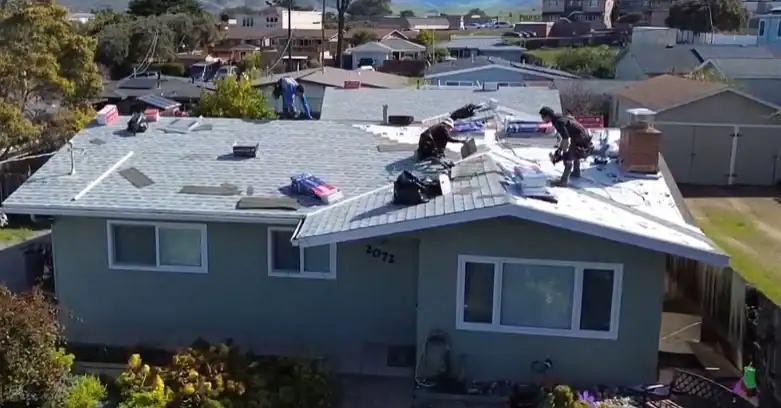
Weighing Roofing Replacement in Central Coast California?
Creative Roofing stays with a roofing project from the first walk-around to the final check, for homes in Central Coast California and the towns around it.
Ring 805-723-2381 to start a conversation about the roof over your head.
Day One of a Roof Project
Nothing gets decided until someone has walked the roof, because the rest of the plan rests on the findings from that look. The roofer checks the surface, the flashing, the vents and the gutter line, then the attic if it can be reached, so the visit usually takes longer than people expect.
Sun and heat age a roof in ways that rain alone never would, so the wear is rarely even from one side to the next.
What Should Actually Be Done
A roof can be repaired, partly rebuilt or removed entirely, and the evidence decides what is done, so a clear explanation matters more than a quick quote. Pictures of the trouble spots take the guesswork out of the decision, and a good roofer expects the question.
When the decking underneath is damaged, the scope of the job grows, and it helps to know that before the work begins.
Choosing Materials for Your Home
Most houses here wear one of three coverings, and the choice shapes everything else, since heavy coverings need a frame built to carry them. The shade of a roof affects how hot it runs in July, and that is worth keeping in mind.
Planning for Rain and Heat
For most of the year the weather here lets a roof go on with few interruptions, and crews watch the forecast closely. Heat affects the work as well, so the day usually begins at sunrise.
Getting to a Clean Surface
Removal of the old material is where the project gets loud, and debris goes into a bin or trailer rather than onto the lawn. Once the deck is bare, any damaged boards are replaced, and skipping the step shortens the life of an otherwise good roof.
Protection Under the Covering
The first layer laid over the deck is a barrier against moisture, so self-adhering membrane goes where leaks tend to begin. The house is safest once the second layer is complete, and the finished surface is installed over a sound base.
Where Roofs Meet Walls and Pipes
Flashing is the thin metal that keeps water out where the roof meets something else, so fresh metal is standard practice among careful crews. Pipe seals made of soft materials fail early in strong sun, and putting in new boots costs little when the roof is already open.
Keeping the Attic Cooler
Heat collects in the space beneath the roof deck unless it has somewhere to go, and vents at the eaves let cooler air in. Adding vents at random may do little more than cut holes in the roof, and a roofer should be able to describe it simply.
Finishing the Job
A finished roof still leaves a yard full of scraps, nails and packaging, so gutters are checked and cleared of loose granules. Keeping a short record of the materials used helps with later maintenance, and a saved record answers questions nobody has thought to ask yet.
The Paperwork Side of a Roof
Rules about reroofing differ from one city to the next, and a little care goes a long way. Wildfire concerns have changed what many local codes ask of a roof, and a roofer working in the area should already know them. Written proposals should describe the materials, the scope and the cleanup in plain words, so compare any two side by side.
What Happens to the Yard
A roofing job puts a lot of weight, noise and debris around a house, so tarps and plywood go down where debris will land. Moving vehicles out of range for the day is a simple precaution, and a short talk the evening before covers the details. The attic gets dusty during tear-off, and anything stored there will notice, and a sheet over stored boxes keeps the grit off.
Disruption and How to Manage It
A simple roof may go quickly while a complicated one takes longer, and the details are worth a closer look. Informing nearby households is a courtesy that pays off, so a friendly note goes a long way. Pets are often the ones most bothered by the commotion, and everything returns to normal once the crew packs up.
What to Ask Every Roofer
Ask how the roof will be ventilated and how the flashing will be handled, and listen to how the answer is given. The product line matters as much as the type of covering, and take your time reading it. The way a roofer handles the unexpected says a lot about the whole operation, and the details are worth a closer look.
Small Habits That Extend Roof Life
Regular glances at the roof catch small problems early, and binoculars make the job easy. Sweeping leaves off the roof and out of valleys prevents trouble, and it also reduces fire risk in dry months. Call a roofer after a major wind event or if you see a stain on a ceiling, so do not wait for the next storm.
Is There a Best Time for a New Roof
Many homeowners wait until a leak appears before they think about a roof, and a little care goes a long way. Spring can bring the first showers, so flexibility helps, and the details are worth a closer look.
Attic Findings That Change the Plan
Looking at the roof from inside the attic before the work begins reveals water stains, damp insulation and daylight where none should enter, so ask the roofer to look inside as well.
Start the Conversation
Homeowners comparing Roofing Replacement in Central Coast California can simply pick up the phone, and 805-723-2381 reaches the right person. A modest repair and a full re-roof both begin with an honest look at the roof, and we are glad to talk through the options. The sooner the roof is looked at, the more choices you tend to have, and it pays to think it through.






















