
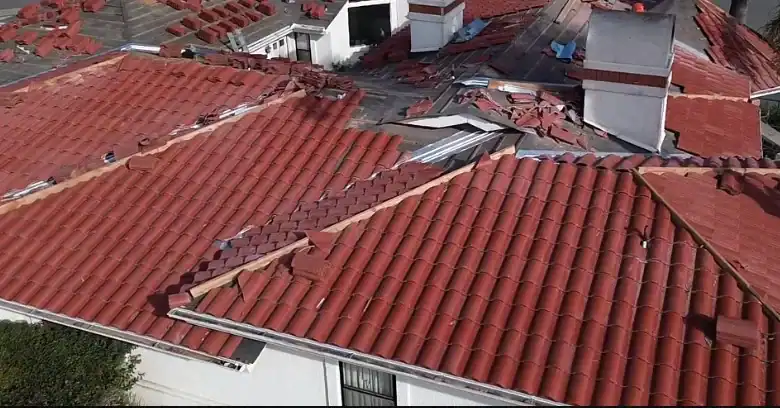
Ready for Tile Roofing for a Home in Central Coast California?
Creative Roofing installs, repairs and re-sets the heavy, long-lived coverings found on many homes in the region, across Central Coast California and nearby.
Dial 805-723-2381 and describe the roof and what you are seeing.
What Makes a Roof Out of Fired Clay or Molded Concrete Different
Fired clay and molded concrete are the two materials used for the heavy, durable coverings found across the region, and the overlap lets water run off quickly. Clay is formed and fired in a kiln, which gives it a rich natural color that does not fade, and the weight differs between materials.
Checking the Rafters Before Choosing
The weight of the roof is the first question to settle before changing from lighter material, and an engineer may be involved in a conversion. Rotted rafters or sheathing must be repaired before heavy material goes back on, so ask who will assess the framing.
What Sits Beneath the Pieces
Water gets under the pieces during wind-driven rain, and the underlayment carries it down and out, and it is easy to overlook. Sun and heat trapped under the units bake the underlayment for years, until it dries, cracks and fails, and high-temperature types are worth the small extra cost.
Dry Climate, Durable Roof
Clay and concrete handle strong sun far better than lighter coverings, which is a large part of their appeal here, and the weight helps with wind as well. A gentle wash and a clear sealer can refresh the appearance of an older roof, and a roofer can tell the difference.
Why Pieces Break
Falling branches and windblown debris can also crack pieces in a storm, and replacing a broken piece is a quick job. Anyone who walks a roof of this kind needs to know where to step, because the wrong spot breaks the piece, so ask for a check after other work is done.
Edges and Intersections
Every junction on the roof is a place where craft decides the outcome, and a hurried job shows up in the first heavy rain. Cracked and crumbling mortar along the ridge lets water and wind get under the cap pieces, so look for loose or missing cap pieces.
Wildfire Season and Fire Resistance
Some systems use a mechanical clip at every piece, while others rely on adhesive along the edges, and a little care goes a long way. Embers do not ignite the pieces, though they can still collect in gaps and under the edges, and the details are worth a closer look.
Repair, Re-Lay or Replace
Many of these roofs are restored two or three times over the life of the building, so ask for an assessment of the underlayment. If the pieces are worn out, a re-lay would only reuse tired material, so it is a time to consider all the options.
Ridge Bedding and Edge Details
Modern installations often replace mortar with clips, screws or flexible adhesive that tolerate movement without failing, and be wary of mortar alone on a ridge. Gaps at the ridge need the same attention, since embers and animals will find any opening, and a little care goes a long way.
Cleaning a Heavy Roof Without Damaging It
Dust, pollen and shade can leave a roof of this type looking dull and streaked, even when it is perfectly sound, and a clean roof looks years younger. Cleaning is not a substitute for repairs, but it often reveals cracked pieces that were hidden by grime, and a post-cleaning inspection is a good idea.
Underlayment Choices and Upgrades
Basic and premium underlayment differ little in cost when set against the cost of the roof, and a thoughtful answer is a good sign. A sticky rubberized sheet seals around fasteners and clings to the deck, providing waterproofing even if the surface layer is breached, and the extra layer is inexpensive protection.
Rooftop Additions on a Roof of Many Pieces
The best time to add rooftop equipment is when the roof is being re-laid, because the openings can be built in properly, so coordinate the roofer with any other trade. A roofer can place a few walkway planks or marked steps to protect the routes that others will use, and replacing a unit is far cheaper than repairing the leak. A valley that is clogged with leaves and needles can send water sideways under the units, which they are not designed to handle, so make valleys the first stop on any check.
Two Materials, Two Personalities
Between the two, concrete is usually the more economical, while clay is prized for its authentic look and its long record of service, and the better choice depends on the house and the budget. Flat profiles give a contemporary look and are often used on modern houses, while barrel shapes suit traditional architecture, and think about the neighbors as well.
What Should Be Written Down
The written scope should say whether the existing units will be reused and who will supply replacements, and compare two bids line by line. Ask how the crew will handle the pieces, where they will be stored and how breakage will be managed, and trust the tone of the conversation.
What Happens on Site
Pieces are removed row by row from the top down, and the crew takes care to avoid cracking more units than the roof already has, and the crew has to be careful with every piece.
What to Do Before Summer Ends
Pieces that are cracked or slipped leave gaps, and in a region with wildfire season, gaps are where embers find a way into the roof, and that is worth keeping in mind.
Keeping Track of a Long-Lived Roof
After a re-lay or a repair, keep the photographs, the proposal and a few spare units stored somewhere safe, because color and profile matching gets harder with time, and a clear record makes repairs simpler.
Tell Us What You Are Seeing
Homeowners weighing Tile Roofing in Central Coast California can begin by describing the house and the roof they have, and the number is 805-723-2381. Calling before a problem becomes urgent makes it easier to compare materials and schedules, and we are glad to help you sort it out.






















