Considering Tile Roofing Contractors for a Home in Central Coast California?
Creative Roofing knows how to walk a fragile surface, find the broken piece and replace it cleanly, throughout Central Coast California and the neighboring communities.
Phone 805-723-2381 and ask about the roof over your house.
How These Roofs Are Put Together
A roof of this kind is a layered system in which each piece overlaps the next and the structure beneath does the waterproofing, and the real waterproofing sits underneath. Natural clay holds its color for a very long time, while concrete may need more attention to its finish, and the weight differs between materials.
Structure First, Style Second
Heavy coverings put real stress on rafters, trusses and walls, which is why the structure is checked first, and an engineer may be involved in a conversion. Replacing a lighter covering with a heavier one without checking the structure is a serious mistake, and a careful contractor raises the issue unprompted.
What Sits Beneath the Pieces
Water gets under the pieces during wind-driven rain, and the underlayment carries it down and out, and a membrane that has dried out is a common reason for leaks. The felt paper on older roofs becomes brittle and breaks when the pieces are lifted, and high-temperature types are worth the small extra cost.
How Heat Behaves Under the Pieces
The pieces rarely wear out from sun alone, which is why a well-built roof can last so long, and that is why roofs of this kind are so common in warm regions. Concrete may chalk or fade after long exposure, and a clean surface may need a sealer or fresh paint, and surface cleaning is far cheaper than replacement.
Why Pieces Break
A piece cracks when someone steps on the wrong spot, and many are broken by workers on the roof for other reasons, so a close inspection from the roof is the only reliable method. Satellite installers, painters and gutter cleaners are common causes of damage, and a good roofer will always carry a supply.
Where Pieces Meet Walls and Each Other
Valleys carry the most water on a roof, and the metal channel beneath the pieces must be sound, and a hurried job shows up in the first heavy rain. Dry-set ridge systems replace mortar with clips and are easier to maintain, so look for loose or missing cap pieces.
Holding Heavy Pieces in Place
Nails, clips and foam adhesive are the common ways to secure units to the roof, and the attachment method should be in the proposal. A tight installation with proper closures resists embers better than a loose one, and local rules may set requirements for roof assemblies.
Restoring a Roof Rather Than Starting Over
The pieces on an old roof may be fine for many more seasons even when the underlayment has given out, and a careful inspection answers both questions. If the pieces are worn out, a re-lay would only reuse tired material, and that is worth keeping in mind.
Mortar, Foam and Dry-Set Methods
Each fastening method has strengths, and the choice depends on the slope, the wind exposure and the local rules, and it pays to think it through. Replacing these strips during a re-lay is inexpensive, and it improves both fire resistance and cleanliness, and a tidy edge looks better as well.
Washing, Sealing and Surface Care
Dust, pollen and shade can leave a roof of this type looking dull and streaked, even when it is perfectly sound, and a clean roof looks years younger. Pressure washers can strip the coating from concrete units and force water under the overlaps, so they are best avoided or used with great care, and fix any breakage before the rains.
Selecting the Layer Beneath
Basic and premium underlayment differ little in cost when set against the cost of the roof, so ask which product is specified. Self-adhering membrane is often used in valleys, around penetrations and along the eaves, where leaks are most likely to begin, and it adds only modestly to the cost.
Planning Equipment Around the Units
Rooftop solar arrays and skylights need openings or mounting points cut through a roof of individual pieces, and each one has to be flashed with care, and ask who is responsible for the seals. A roofer can place a few walkway planks or marked steps to protect the routes that others will use, and the details are worth a closer look. Clearing debris from valleys before the rainy season is the simplest way to protect the underlayment beneath them, so make valleys the first stop on any check.
Choosing Between Clay and Concrete
Between the two, concrete is usually the more economical, while clay is prized for its authentic look and its long record of service, and the difference shows up in the details. Profiles vary from the rounded barrel shape seen on Spanish and Mediterranean homes to flat slabs and interlocking designs that look like slate or shake, and a good supplier will lend a few.
Comparing Tile Roofing Proposals
The written scope should say whether the existing units will be reused and who will supply replacements, and a clear proposal reflects a careful crew. A roofer who has re-laid many roofs knows the pitfalls and can describe them without hesitation, and the details are worth a closer look.
How a Restoration Proceeds
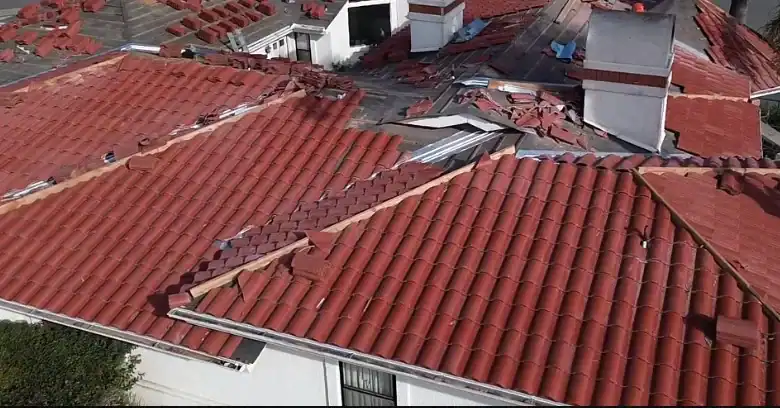
Pieces are removed row by row from the top down, and the crew takes care to avoid cracking more units than the roof already has, and the crew has to be careful with every piece.
Seasonal Readiness for a Tile Roof
Clearing leaves and needles from valleys, gutters and the back of chimneys removes fuel that could ignite from a flying ember, and repair broken pieces before the winds arrive.
Keeping Track of a Long-Lived Roof
A small stack of leftover pieces from the original job is worth more than almost any other record, since replacements are rarely identical, so ask the roofer for copies.
Tell Us What You Are Seeing
Those comparing Tile Roofing Contractors in Central Coast California can reach us by phone, and the number is 805-723-2381. There is no pressure in asking about your roof, and we are glad to help you sort it out.