Researching Tile Roofing Services for a Home in Central Coast California?
Creative Roofing installs, repairs and re-sets the heavy, long-lived coverings found on many homes in the region, across Central Coast California and nearby.
Phone 805-723-2381 to talk through what a tile roof needs.
What Makes a Roof Out of Fired Clay or Molded Concrete Different
Fired clay and molded concrete are the two materials used for the heavy, durable coverings found across the region, and the real waterproofing sits underneath. Both materials resist fire, which has made them popular where wildfire is a concern, so samples help with the choice.
Load and Support
Heavy coverings put real stress on rafters, trusses and walls, which is why the structure is checked first, and an engineer may be involved in a conversion. Replacing a lighter covering with a heavier one without checking the structure is a serious mistake, and the details are worth a closer look.
Underlayment Is the Real Waterproofing
The units shed most of the rain, but the underlayment beneath is the layer that actually keeps the house dry, so even a good surface can hide a tired layer. Replacing the underlayment when the units are removed gives the roof a fresh start, and high-temperature types are worth the small extra cost.
Why Tile Suits Hot Weather
Clay and concrete handle strong sun far better than lighter coverings, which is a large part of their appeal here, and it pays to think it through. Moss and lichen are less of a problem in dry summers, though shaded areas may collect some, and surface cleaning is far cheaper than replacement.
Walking on a Fragile Roof
Slipped pieces that have shifted out of line leave gaps that rain can reach, and the details are worth a closer look. A short inspection after any work on the roof catches damage early, so ask for a check after other work is done.
The Detail Work on a Heavy Roof
Metal flashing and sealant protect these joints, and both age in strong sun, and sealant alone is never a lasting answer. Ridge and hip pieces are bedded in mortar or fastened with mechanical systems, and the old mortar often fails before the roof does, and a clean ridge line is a sign of good care.
How Units Are Secured
Some systems use a mechanical clip at every piece, while others rely on adhesive along the edges, and a little care goes a long way. Bird stops and closures at the eave seal the openings where embers might enter, and the pieces themselves are only part of the answer.
Options for a Tired Roof
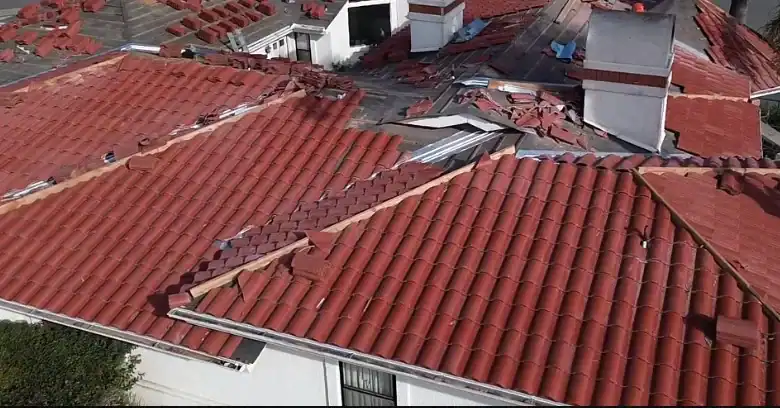
The pieces on an old roof may be fine for many more seasons even when the underlayment has given out, so ask for an assessment of the underlayment. If the pieces are worn out, a re-lay would only reuse tired material, so it is a time to consider all the options.
How Units Are Bedded and Secured
Older roofs of this kind used mortar to bed the ridge and hip pieces and to seal the edges, and that mortar eventually cracks and crumbles, and the best answer is specific to your roof. Replacing these strips during a re-lay is inexpensive, and it improves both fire resistance and cleanliness, and a good roofer checks them without being asked.
Cleaning a Heavy Roof Without Damaging It
A gentle low-pressure wash can restore the appearance of a roof, but harsh pressure damages the surface and loosens the pieces, so consider it before deciding to replace. A professional cleaner will explain the method and protect the plants and walls below, and fix any breakage before the rains.
Selecting the Layer Beneath
Heavy felt, synthetic sheets and self-adhering membranes are the common options, and they differ in heat resistance and tear strength, and the choice should be in writing. A sticky rubberized sheet seals around fasteners and clings to the deck, providing waterproofing even if the surface layer is breached, and it adds only modestly to the cost.
Rooftop Additions on a Roof of Many Pieces
The best time to add rooftop equipment is when the roof is being re-laid, because the openings can be built in properly, so coordinate the roofer with any other trade. Every person who climbs onto a roof of this kind risks cracking something, so access should be limited to those who know how to walk it, and replacing a unit is far cheaper than repairing the leak. Metal valley liners should be inspected for rust, pinholes and loose edges, since they carry more water than any other part of the roof, and a ladder and a soft broom are often all you need.
Two Materials, Two Personalities
Cast from cement and sand, concrete units take their color from pigment in the mix or from a coating applied to the surface, and the difference shows up in the details. Barrel tiles are laid in alternating channels and caps, while interlocking units are single pieces that lock together along their edges, so hold them against the house.
How to Weigh Two Bids
A proposal that only says re-lay the roof does not tell you enough, and a little care goes a long way. Ask how the crew will handle the pieces, where they will be stored and how breakage will be managed, and the details are worth a closer look.
Planning a Re-Lay Step by Step
A re-lay begins with the units being lifted in sections, stacked carefully and sorted so that sound pieces are kept and broken ones are set aside for replacement, and the whole process takes patience.
Seasonal Readiness for a Tile Roof
Closure strips at the eaves and the ridge keep embers and animals out of the space beneath the units, and a tidy roof is a safer roof.
Notes That Help the Next Owner
Passing these records to the next owner of the house adds real value and saves them a good deal of guesswork, and it costs almost nothing to keep them.
Next Steps for Your Roof
Homeowners weighing Tile Roofing Services in Central Coast California can begin by describing the house and the roof they have, and 805-723-2381 reaches someone who can help. Even a quick call can clear up questions about underlayment, repairs and timing, and the roof will tell the story once someone looks.