
Sourcing Commercial Roof Installations Around Grover Beach California?
Creative Roofing works on the roofs of shops, offices, warehouses and apartment buildings, serving owners and managers across Grover Beach California.
Call 805-723-2381 to arrange a visit to the property.
Roofs Over Businesses
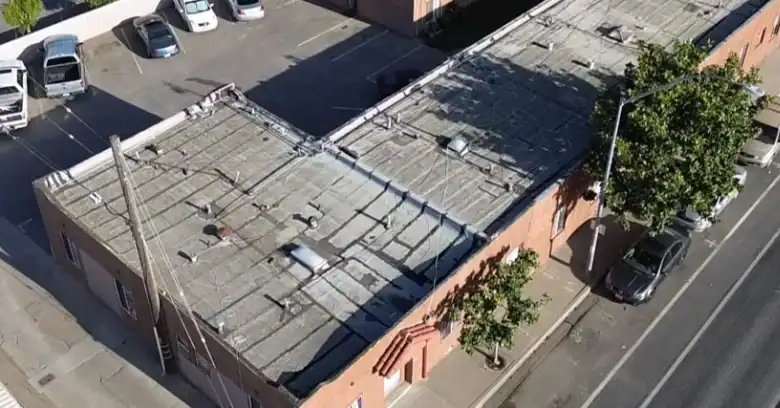
Most commercial buildings have low-slope roofs, which shed water slowly and carry equipment, and that is worth keeping in mind. Waterproofing on a low slope comes from the sheet itself rather than from the angle, and it pays to think it through.
The cost of a failed roof is often higher inside the building than on top of it, and regular checks pay for themselves.
A Look at the Main Systems
Single-ply membranes such as TPO, PVC and EPDM are among the most common coverings on commercial buildings, and none of them is right for every building. Modified bitumen sheets are heated or adhered in overlapping layers to make a durable surface, so they are still specified today. Spray foam and fluid-applied coatings are also used in some situations, and the right answer depends on what is already on the roof.
Where the Rain Goes
Ponding water speeds up wear and adds weight the structure has to carry, and drains need to be clear before the rainy season begins. Interior drains, edge scuppers and perimeter gutters each have their own failure points, and an overflow scupper is a backup that should never be blocked.
What Sits on the Roof
Pipes, conduits and curbs interrupt the membrane in many spots, and the details are worth a closer look. Repeated traffic on an unprotected membrane leaves it thin and scuffed, and everyone benefits from the protection.
How the Climate Affects a Building Roof
Sun and heat are the steady stresses on a commercial roof in this part of California, and that is why white and light membranes are so common. Owners often look at reflective roofing for the savings on cooling, so ask a contractor to explain what to expect.
Looking After a Roof Between Repairs
A commercial roof lasts longest when someone looks at it regularly, and the best times are before and after the rainy season. A visit usually covers drains, flashing, seams, curbs and the condition of the surface, and the details are worth a closer look.
When a Roof Reaches the End of Its Life
The right answer depends on how much of the system is still dry and sound, and it is easy to overlook. A roof that is wet inside cannot be coated or patched into good health, so a clear diagnosis matters.
Tenants, Customers and Noise
Roofers often work in phases so a store can stay open, so the schedule is shared in advance. Fall protection is required on commercial roofs, and a professional crew uses it, and a safe site is also an efficient one.
What Should Be in Writing
A good proposal should say what will be removed, what will be installed and how the edges will be finished, and the cheapest-looking option may leave things out. Ask how the work will be inspected and what documentation will be provided at the end, so make it part of the agreement.
Where the Water Really Gets In
On a flat roof the spot where water drips inside is rarely the spot where it came in, and the real source is usually near equipment or an edge. Common sources include seams, drains, flashing at walls and the base of every pipe, and it pays to think it through. Knowing where the water is saves guesswork and wasted effort, and the cost is small next to a wrong decision.
Edges Are Where Roofs Let Go
The edges and corners of a flat roof take the highest wind loads, so careful edge details are a mark of good work. A strip of metal that has come away is an invitation for wind and water, and the work is usually quick.
The Seams That Join Roof to Wall
A parapet is an extra wall that needs its own waterproofing on both faces, and it is worth checking after every storm season. Mortar joints and wall coatings are part of the roof story, and a repair there often needs more than a bead of caulk.
Coatings and What They Can Do
Coating is a way to protect a roof before it fails rather than after, so cleaning and repairing come first. Coatings cannot fix a roof with wet insulation or widespread damage, and ask for the test results first.
When the Roof Covers an Acre
Big projects need a plan for storage, staging and phasing, and it is easy to overlook. Common areas, walkways and canopies add their own details, so the plan should name each area. Apartment and multifamily buildings add residents, balconies and shared walkways to the mix, and clear notices help everyone know what to expect.
Capital Planning for Building Owners
People who set aside funds for roof work avoid scrambling when the time comes, so the information from maintenance visits feeds the budget. The cheapest proposal is not always the best value, so compare what is included before comparing totals.
Thermal Layers on a Flat Roof
Most commercial roofs have rigid insulation boards between the deck and the waterproofing, so keeping them dry is essential. Cover boards add a firm surface that protects insulation from foot traffic and hail-free impacts, and that is worth keeping in mind. Designing the slope into a replacement gives the roof a long-term advantage, and the drawings show where the water will go.
Late-Summer Readiness Checks
Late summer is the right moment to walk a commercial roof, because debris has accumulated through the dry months and the first storms are only weeks away, so schedule it like any other maintenance.
Let Us Know What You Are Dealing With
Owners comparing Commercial Roof Installations in Grover Beach California can start by describing the building and what concerns them, so use 805-723-2381 to set up the next step. Even a quick conversation can clarify what the building needs, and the details are worth a closer look. Putting off a roof decision seldom makes it simpler, so call when you have a moment. Tenants, lenders and insurers all take an interest in the state of a roof, and that starts with a good first inspection.
Verified

Verified
Verified
Verified






















