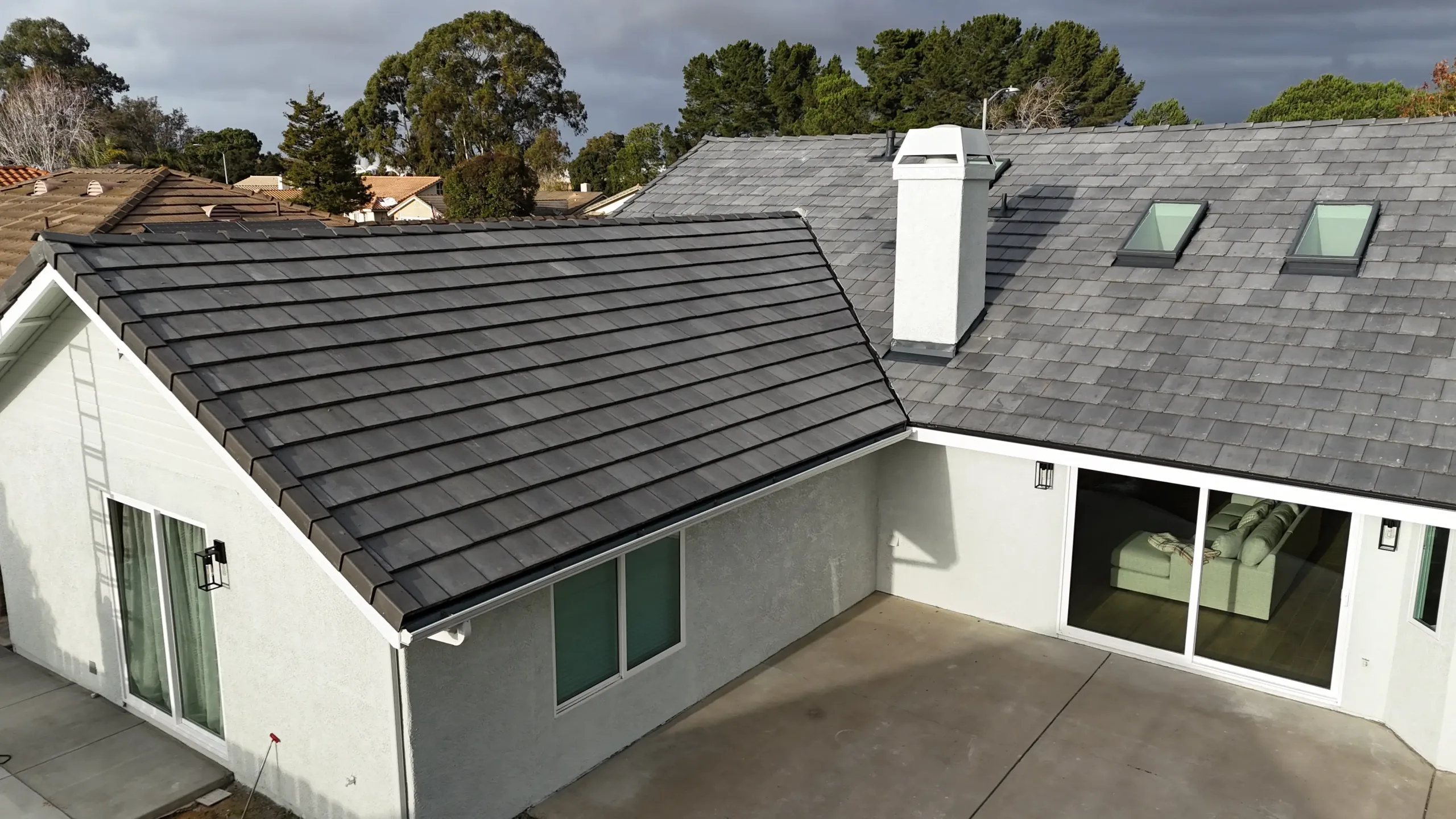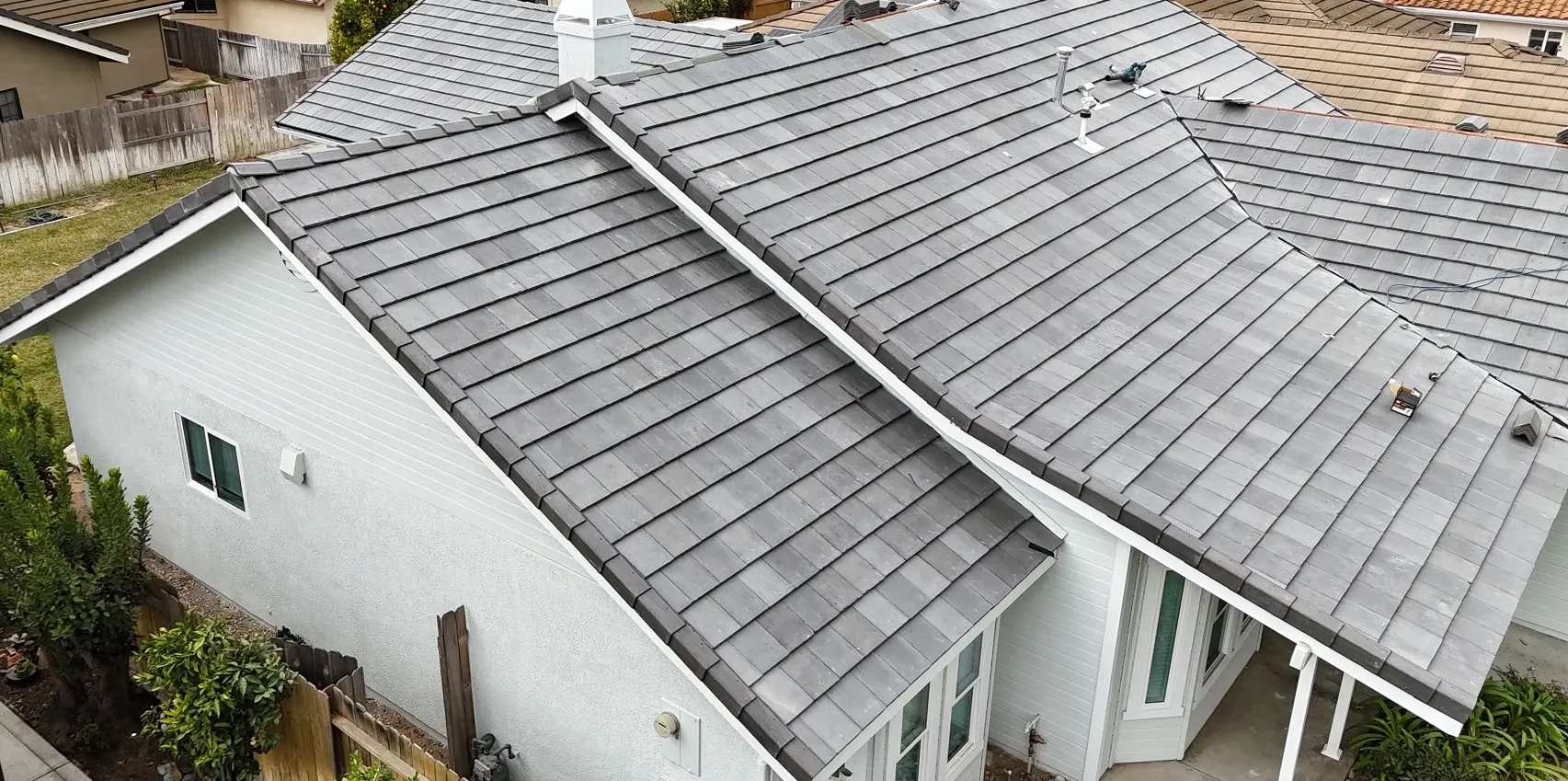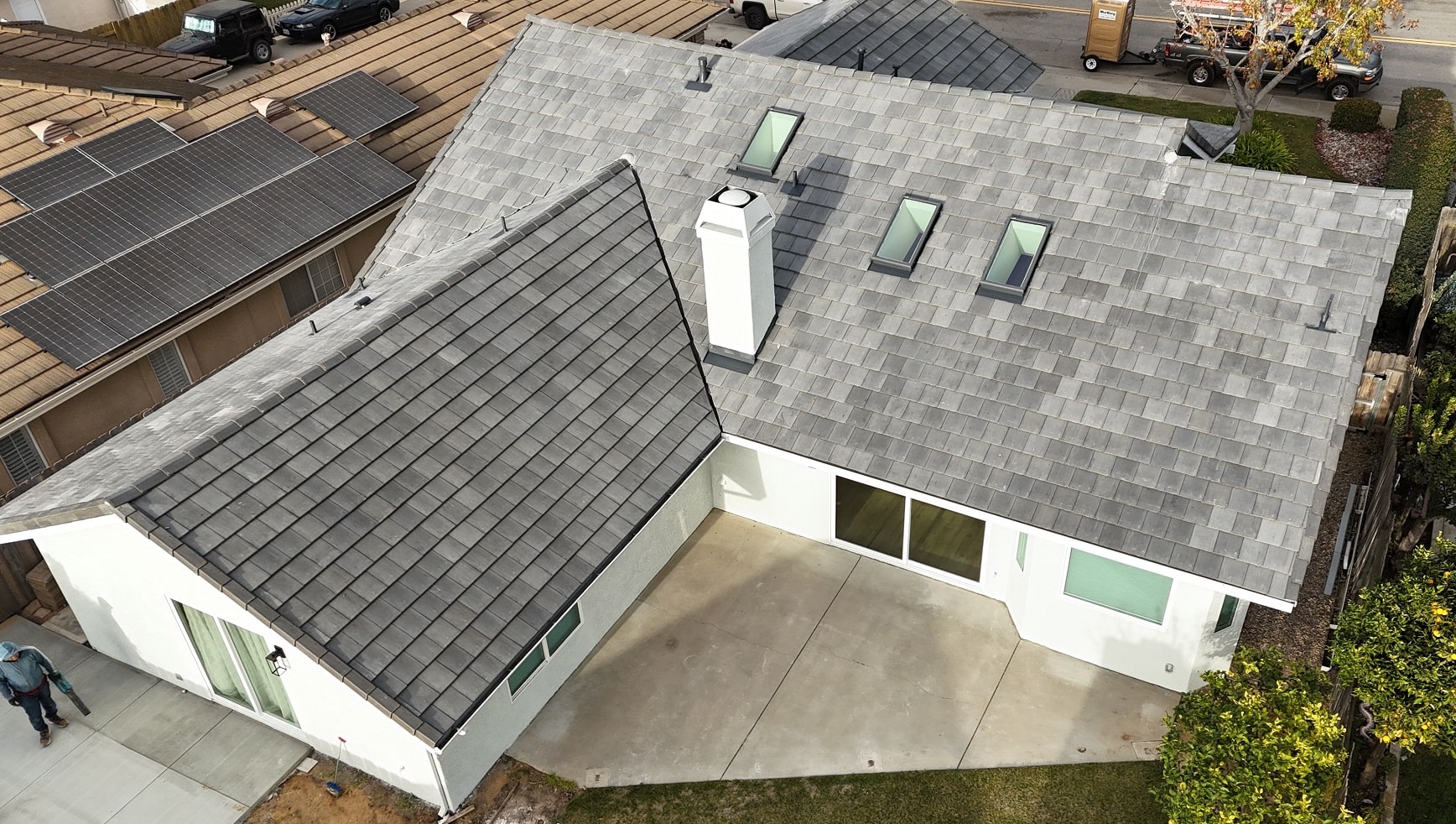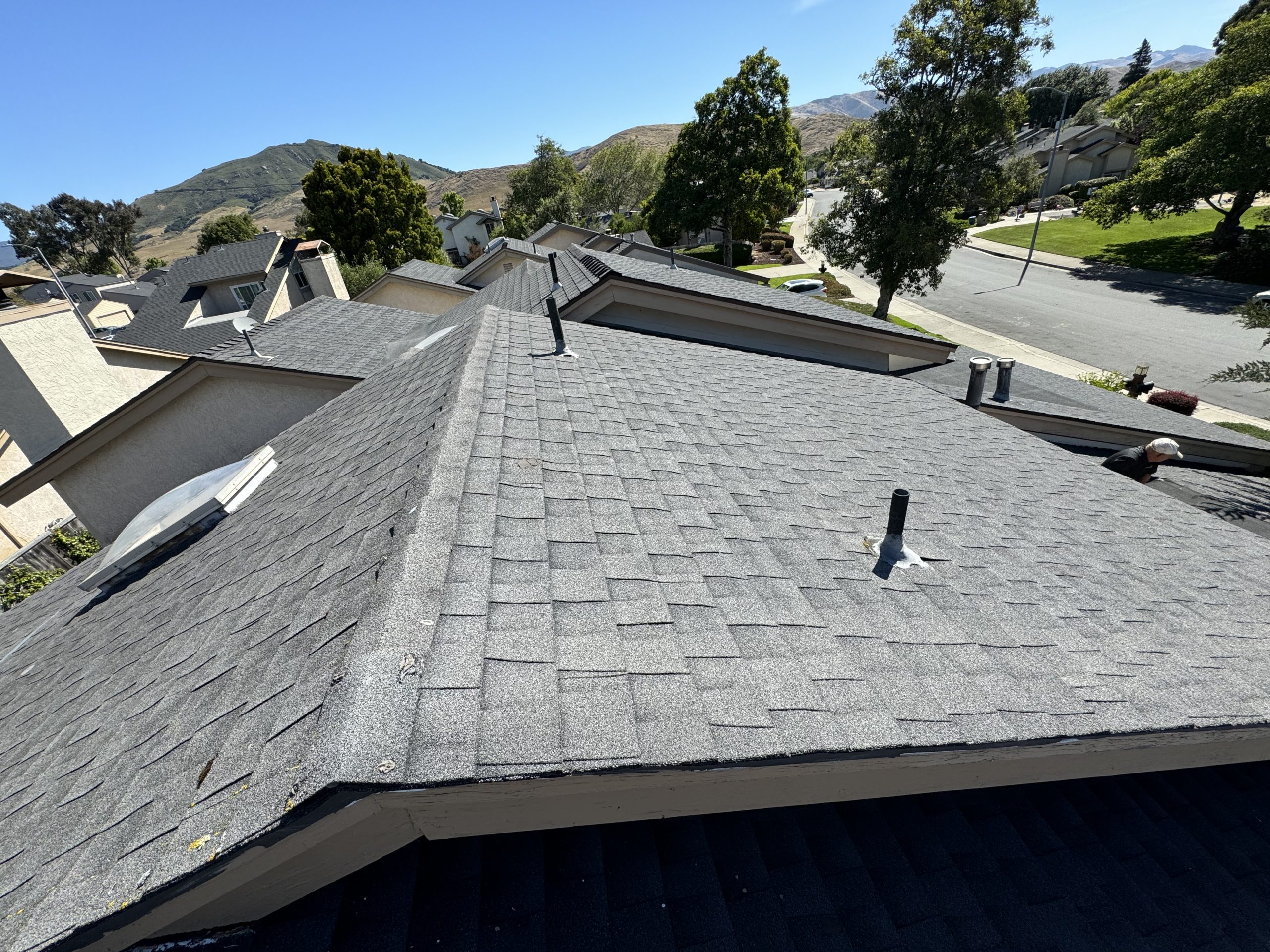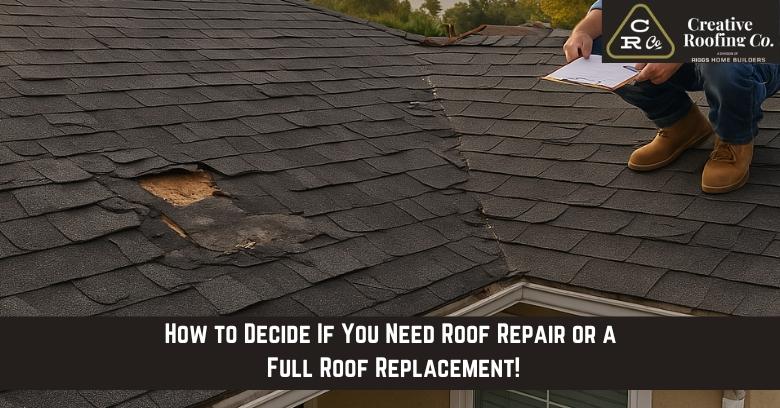
Owning a home in California offers incredible benefits, but it also comes with the responsibility of maintaining essential features like the roof. The roof is your first line of defense against the elements and issues with it can affect both your comfort and your finances. In regions like Santa Barbara and Sacramento, where extreme weather from wildfires to intense heat and winter storms can take a toll, keeping your roof in top condition is crucial.
Deciding between residential roofing repairs and a full roof replacement can be challenging, but making the right choice is vital to avoid further damage and costly repairs down the road. In this guide, we will help you assess the condition of your roof, understand the key warning signs, and offer expert advice specific to California's unique climate. If you are unsure where to start, consulting local roofing companies for a professional evaluation is the best way to protect your home and investment.
Signs Your Roof May Need Attention
Identifying early roof damage is key to preventing expensive repairs. Many homeowners delay fixing issues until they worsen, but addressing them sooner can save you from more significant problems. Here are the common signs that your roof may need professional attention:
- Leaks or Water Damage - Water stains on ceilings, walls, or in your attic often signal a roof leak. Even minor leaks can lead to mold, insulation damage, and rotting wood. In areas like Sacramento and Santa Barbara, heavy rain or coastal moisture can make leaks worse. Roofing companies recommend immediate residential roofing repairs to prevent more extensive issues.
- Missing, Damaged, or Aging Shingles - Shingles are your roof's first defense against the elements. Cracked, curled, or missing shingles leave your roof vulnerable to water and sun damage. Shingle wear can result from wind, hail, heat, or age. In Sacramento, temperature changes cause shingle cracking, while the sun in Santa Barbara accelerates deterioration. Residential roofing repairs may help if the damage is minor, but widespread issues require professional assessment.
- Granules in Gutters - Excess granules in your gutters are a sign your shingles are losing their protective coating. Granules shield your roof from UV rays as well as wear and their loss leaves the roof more vulnerable to damage. Roofing companies view this as an early warning sign of roof aging, so if you notice granules in your gutters, it is time for an inspection.
- Sagging or Uneven Rooflines - A sagging or warped roofline often points to structural damage caused by water, deteriorating decking, or foundation shifts. This is a serious issue that goes beyond cosmetic concerns and may require a full or partial roof replacement, depending on the extent of the damage.
- Rising Energy Bills and Temperature Control Issues - If your utility bills are rising, your roof might be letting air escape or allowing outside temperatures in. Damaged or poorly insulated roofs make it harder to maintain your home's temperature, forcing your HVAC system to work harder. Roofing companies may suggest energy-efficient upgrades during repairs to help lower energy costs and improve comfort.
When Roof Repair Is the Right Choice
In many instances, residential roofing repairs can restore your roof's integrity and aesthetic without the need for a complete roof replacement. Understanding when repairs are the right option versus a full replacement is key to preserving the longevity of your roof while managing your budget. Here are some scenarios where roof repairs are the better choice:
Appropriate Scenarios for Roof Repairs:
- Minor, Localized Damage - If your roof has suffered only small, localized issues, such as a punctured area from a tree branch or a few shingles lost during a storm, residential roofing repairs can usually address the damage effectively without requiring a full replacement.
- Relatively New Roof - If your roof is still young, less than 10 to 15 years old, and the damage is minimal, it likely has many years of useful life left. In these cases, repairing the damaged section can restore the roof's function without the need for the significant investment of a full replacement.
- Good Overall Roof Condition - If most of your roof is in solid shape and only a small area needs attention, fixing the damaged section can prevent further deterioration and extend the life of the entire roof. Roofing companies typically recommend repairing isolated damage rather than replacing a roof in otherwise good condition.
- Budget Constraints -vRoof repairs are typically more affordable than full replacements, making them a good option if you are working within a limited budget. This allows you to address immediate issues and delay the larger financial commitment of a roof replacement until you can afford it.
- Insurance Considerations -vIn some cases, your insurance policy may only cover residential roofing repairs, particularly if the damage is localized and the rest of the roof is intact. It is worth checking with your insurance provider to see if roof repairs can be covered under your policy, as this could make the repair process even more cost-effective.
Benefits of Roof Repairs:
- Cost-Effectiveness -Roof repairs are typically a fraction of the cost of a full roof replacement, making them an ideal solution for minor damage. This option helps homeowners avoid the significant expenses that come with replacing an entire roof.
- Quick Turnaround Time -Most residential roofing repairs can be completed in a day or less, minimizing disruptions to your daily life. Roofing companies can swiftly address the issue, allowing you to return to normalcy without extended delays.
- Environmental Considerations -Choosing repairs over a replacement generates far less construction debris, which is a more sustainable option. This reduces the overall waste produced, making it a greener choice, especially for minor roofing issues.
When You Need a Full Roof Replacement
In some cases, residential roofing repairs are no longer sufficient and a full roof replacement becomes the only viable option. If you wait too long to replace your roof, you may face escalating repair costs or worsening structural issues. Here is how to recognize when it is time to replace your roof:
Signs That a Roof Replacement Is Necessary:
- Age of the Roof - Most roofs have an expected lifespan of 20 to 25 years. If your roof is approaching this age and has begun to show signs of wear and tear, it may be more cost-effective to replace the roof rather than continue with frequent repairs.
- Frequent Problems - If your roof is experiencing repeated issues such as persistent leaks, missing shingles, or other recurring damage, it may indicate that the roof is deteriorating beyond repair. In these cases, roofing companies will often recommend a full replacement to ensure the integrity and safety of your home.
- Structural Damage - Soft spots, sagging areas, mold growth, or rot in the roof decking are serious concerns. These issues suggest that the structure of your roof has been compromised, and patching up these areas is unlikely to resolve the underlying problem. A full roof replacement is often necessary in these cases.
- Widespread Damage - If more than 30% of your roof has sustained significant damage or wear, repairs will likely be insufficient in providing long-term protection. When large sections of your roof are compromised, a full replacement is typically the best solution.
- Energy Efficiency Issues - If you have noticed rising energy bills or difficulty maintaining a comfortable temperature inside your home, your roof may be a contributing factor. Old or damaged roofs often lack proper insulation or reflectivity, which can make your home less energy-efficient. Replacing your roof with modern, energy-efficient materials can significantly improve your home's insulation and help reduce your utility bills.
Benefits of a New Roof:
- Enhanced Durability and Longevity - A new roof is built to last for decades with minimal maintenance, giving you peace of mind that your home is protected for years to come. A properly installed roof offers long-term stability, reducing the likelihood of needing major repairs.
- Improved Energy Efficiency - Modern roofing materials are designed to enhance energy efficiency. Reflective shingles and insulating materials help to regulate your home's temperature, keeping it cooler in the summer and warmer in the winter. This can result in lower energy bills and increased comfort.
- Boosted Property Value - A new roof not only improves the appearance of your home but also adds significant curb appeal. If you plan to sell your home in the future, a new roof can be a strong selling point that helps you attract potential buyers and increases your home's market value.
- Variety of Material Options - With a roof replacement, you have the option to choose from a wide range of materials to suit your needs and preferences. For instance, fire-resistant roofing materials are especially valuable in areas prone to wildfires, while impact-resistant shingles may be ideal for regions that experience frequent storms. Consulting with roofing companies about your specific needs can help you select the best materials for your new roof.
Cost Considerations - Repair vs Replacement
Financial concerns often play a significant role in the decision-making process regarding roof repairs and replacements. Understanding the costs associated with residential roofing repairs and full roof replacements will help you make a well-informed choice that fits your immediate budget and long-term financial plans.
Cost Breakdown:
- Roof Repairs - The cost of residential roofing repairs can vary widely depending on the severity and scope of the issue. Minor fixes, such as replacing a few shingles or sealing a small leak, typically range from $200 to $1,500. On the other hand, more extensive repairs, such as repairing large sections of the roof or addressing structural damage, can cost significantly more, sometimes reaching several thousand dollars. While repairs tend to be more affordable in the short term, it is important to remember that frequent repairs may add up over time.
- Roof Replacement - A full roof replacement is a major financial investment, typically costing between $8,000 and $20,000 or more. Several factors can influence the price, including the size of your roof, the materials you choose, and the labor involved. In cities like Santa Barbara and Sacramento, the cost of roofing materials, local labor rates, and permit requirements can all impact the final price. A new roof can be a significant expense, but it offers long-term value and protection for your home.
Considering Long-Term Expenses:
When weighing the costs of roof repairs versus replacement, it is essential to consider both short-term expenses and long-term financial implications. While repairs may appear more affordable initially, frequent or extensive repairs over time can add up and potentially cost more than a full roof replacement. In contrast, a new roof is a significant investment upfront but offers long-term benefits, including increased home value, better protection from the elements, and lower energy bills due to improved insulation and efficiency.
In conclusion, making the right financial decision about your roof depends on understanding both the immediate costs and the future benefits. By consulting with experienced roofing companies and considering financing options, you can choose the best solution for your home and budget. Whether you opt for repairs or a full replacement, ensuring the long-term health of your roof is an investment that will pay off over time.
Final Checklist: Repair or Replace?
When deciding between repairing or replacing your roof, it is important to take a step back and assess the situation carefully. Use this checklist to help make an informed, confident decision:
- Is the Damage Small and Contained?
If the damage is minimal, localized, and does not affect the structural integrity of the roof, a repair may be all that is needed. Small issues like a few missing shingles or a minor leak can often be fixed without requiring a full replacement. - Is Your Roof Under 15 Years Old?
Roofs younger than 15 years old generally have a lot of life left, especially if the damage is limited. If the roof is still relatively new and well-maintained, residential roofing repairs may restore its function and prevent premature replacement. - Have You Needed Multiple Repairs in Recent Years? If you have had to make multiple repairs over the past few years, it may be a sign that your roof is reaching the end of its useful life. In these cases, a full roof replacement may be a more cost-effective and long-lasting solution than continuing to patch up recurring issues.
- Is There Visible Structural Damage?
If you notice signs of structural damage, such as sagging areas, mold, or rot, a full replacement is likely necessary. These issues go beyond surface-level repairs and can compromise the safety and integrity of your home. - What Is Your Long-Term Budget?
Consider your budget not only for the immediate cost but also for the long-term investment. While repairs may seem less expensive initially, a new roof can provide long-term savings in energy efficiency, reduced maintenance costs, and improved home value. Make sure you are prepared for the total financial commitment of each option.
Still Unsure? If yo a're still uncertain whether to repair or replace your roof, trusted roofing companies can help. Many offer professional inspections that allow them to assess the condition of your roof in detail and guide you through the decision-making process. With expert advice, you will be able to choose the best option for your home's needs, ensuring lasting protection and peace of mind.
Conclusion
Your roof is more than just shelter - it is a vital part of your home's structure and comfort. Deciding between residential roofing repairs and full replacement does not have to be daunting. By recognizing warning signs, understanding costs, and working with reputable roofing companies, you can protect your home and family for years to come.
Don't wait for small issues to turn into major problems. Schedule an inspection with local roofing companies today and take the first step toward a safer, more energy-efficient home.
With the right approach and support from experienced roofing companies, you can ensure that your roof remains in excellent condition. Whether you need residential roofing repairs or a full replacement, your investment will provide lasting value and peace of mind.
Key Takeaways
- Monitor Your Roof - Early signs of damage, like leaks, missing shingles, and sagging, can help prevent costly repairs. Keep an eye on your roof's condition to address issues before they escalate.
- Repairs vs. Replacement - In many cases, residential roofing repairs can restore your roof's functionality and save money. However, extensive damage or recurring problems may require a full roof replacement.
- Cost Considerations - Roof repairs are typically more affordable in the short term, but frequent repairs can add up. A new roof involves a higher upfront cost but offers long-term benefits such as improved energy efficiency and home value.
- Professional Guidance - Consulting with roofing companies ensures that you make an informed decision about your roof's condition and the best course of action. Whether opting for repairs or a full replacement, expert advice will help you protect your home effectively.
FAQs
1. What are the main signs that my roof needs attention?
Common signs include leaks or water damage, missing or damaged shingles, granules in gutters, sagging rooflines, and rising energy bills.
2. How do I know whether to repair or replace my roof?
If the damage is minor and localized, repairs are often sufficient. However, if the roof is older, experiencing recurring issues, or has widespread damage, a full replacement may be needed.
3. What's the average lifespan of a roof?
Most roofs last 20-25 years, depending on the materials used and local weather conditions. If your roof is approaching this age and showing signs of wear, consider a full replacement.
4. How can I spot roof damage early?
Regularly inspect your roof for signs of wear, such as cracked, curling, or missing shingles. Also, check for water stains inside your home and granules accumulating in your gutters.
5. Are roof repairs more affordable than replacements?
Yes, roof repairs are generally less expensive than a full replacement, especially for minor damage. However, frequent repairs may add up over time, making a replacement more cost-effective in the long run.
6. What should I do if I notice a leak or water damage?
Address leaks immediately to prevent further damage. Water stains on ceilings or walls indicate a roof issue, and it is best to call roofing companies for residential roofing repairs as soon as possible.
7. Can roof repairs help with rising energy bills?
Yes, if your roof is damaged or poorly insulated, it can allow air to escape, causing your HVAC system to work harder. Repairing or replacing your roof can improve insulation and reduce energy costs.
8. How long do roof repairs typically take?
Most residential roofing repairs are completed in a day or less, depending on the severity of the damage. After inspecting the roof, your roofing company will give you an estimated timeline.
9. Are there any long-term benefits to replacing my roof?
Yes, a new roof offers improved durability, energy efficiency, and increased home value. It also provides peace of mind by ensuring your home is well-protected from the elements.
10. How do I find a reliable roofing company?
Look for roofing companies with experience in residential roofing repairs, good reviews, and certifications. It's always helpful to get multiple estimates and ask about warranties on materials and labor.