
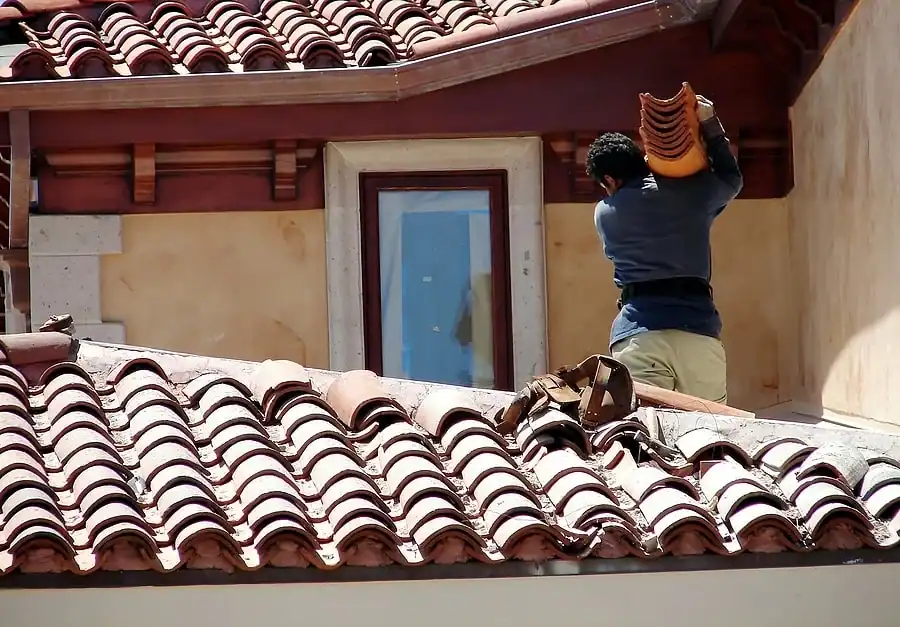
Considering Concrete Tile Roofers for a Home in Lompoc California?
Creative Roofing handles the underlayment, battens and hand-shaped details that a fired or molded roof depends on, serving homeowners in Lompoc California and beyond.
Dial 805-723-2381 and describe the roof and what you are seeing.
How These Roofs Are Put Together
Clay and concrete units are individual pieces hung on a roof, overlapping like fish scales to shed water, and the real waterproofing sits underneath. Each type comes in profiles from rounded barrels to flat slabs and interlocking shapes, and the look varies enormously.
Weight, Framing and What the House Can Carry
The framing is the foundation of any heavy roof, and a little care goes a long way. Rotted rafters or sheathing must be repaired before heavy material goes back on, and a careful contractor raises the issue unprompted.
What Sits Beneath the Pieces
The membrane is out of sight, which is why it is easy to forget, and a re-lay is the chance to replace it. Modern synthetic and self-adhering underlayments last longer under high temperatures, and the answer says a lot about the contractor.
Strong Sun and Fired Surfaces
The pieces rarely wear out from sun alone, which is why a well-built roof can last so long, and that is why roofs of this kind are so common in warm regions. A gentle wash and a clear sealer can refresh the appearance of an older roof, and surface cleaning is far cheaper than replacement.
Cracks, Slips and Broken Pieces
A cracked unit lets water reach the underlayment, which is meant for backup rather than constant exposure, and the damage may not show from the ground. A short inspection after any work on the roof catches damage early, and keep spare pieces from the original installation.
Where Pieces Meet Walls and Each Other
Every junction on the roof is a place where craft decides the outcome, so look at how the work is finished. Dry-set ridge systems replace mortar with clips and are easier to maintain, and it pays to think it through.
Wind, Fire and the Fastening Question
A roof with loose pieces is a hazard in a windstorm, so ask how the pieces will be held down. A tight installation with proper closures resists embers better than a loose one, and the details are worth a closer look.
Matching the Work to the Condition
Many of these roofs are restored two or three times over the life of the building, and the savings from a re-lay can be considerable. Replacing the whole roof is the right call when the pieces themselves are failing, the framing is damaged or the style no longer suits the house, and the new material can be a different type.
How Units Are Bedded and Secured
Each fastening method has strengths, and the choice depends on the slope, the wind exposure and the local rules, and be wary of mortar alone on a ridge. A missing eave closure is easy to spot from the ground as a dark gap along the lower edge of the roof, so these small parts deserve attention.
Looking After the Appearance
Cleaning should be done carefully by someone who knows the material, since walking on the roof is a risk to the units themselves, and the details are worth a closer look. Pressure washers can strip the coating from concrete units and force water under the overlaps, so they are best avoided or used with great care, and it is easy to overlook.
Felt, Synthetic and Self-Adhering Options
Heavy felt, synthetic sheets and self-adhering membranes are the common options, and they differ in heat resistance and tear strength, and the choice should be in writing. Counter-battens add further airflow and reduce heat transfer into the attic, so look for it in the proposal.
Rooftop Additions on a Roof of Many Pieces
The best time to add rooftop equipment is when the roof is being re-laid, because the openings can be built in properly, so coordinate the roofer with any other trade. Service technicians for air conditioning and chimney sweeps should be told to step only where the roof can bear a person, and replacing a unit is far cheaper than repairing the leak. Valleys and low points on a roof of this kind carry the heaviest flow in a downpour, and the units along their edges are cut to fit and sealed with care, and a ladder and a soft broom are often all you need.
Choosing Between Clay and Concrete
Clay units are fired at high temperature, and their color runs all the way through, so a chip or scratch does not show a different shade beneath, and compare how they look in daylight. Barrel tiles are laid in alternating channels and caps, while interlocking units are single pieces that lock together along their edges, and it pays to think it through.
Questions Worth Asking
The best contractors put the specifics in writing, and a clear proposal reflects a careful crew. Ask how the structure will be checked and what happens if damage is found, and a confident contractor will welcome them.
What Happens on Site
Each section of the roof is stripped down to the underlayment, repaired and covered with fresh waterproofing before the units go back, and the whole process takes patience.
Preparing for Dry Winds and Embers
Before the dry season peaks, a quick walk around the house with binoculars can show broken units, loose ridge pieces and debris piled in the valleys, and repair broken pieces before the winds arrive.
What to Save After a Restoration
A note of the underlayment type, the flashing metal and the fastening method helps any roofer who works on the roof later, and store them with the house papers.
Start the Conversation
People researching Concrete Tile Roofers in Lompoc California are welcome to call with questions, so use 805-723-2381 to set up the next step. Calling before a problem becomes urgent makes it easier to compare materials and schedules, and we are glad to help you sort it out.
Verified

Verified
Verified
Verified
Verified






















