
Ready for Clay Tile Roofers Serving Morro Bay California?
Creative Roofing knows how to walk a fragile surface, find the broken piece and replace it cleanly, serving homeowners in Morro Bay California and beyond.
Reach us at 805-723-2381 and ask about the roof over your house.
A Heavy Covering With a Long History
Every piece is shaped to channel water downhill and over the piece below, and that is worth keeping in mind. Both materials resist fire, which has made them popular where wildfire is a concern, and the weight differs between materials.
Structure First, Style Second
Heavy coverings put real stress on rafters, trusses and walls, which is why the structure is checked first, and it should happen before materials are ordered. Replacing a lighter covering with a heavier one without checking the structure is a serious mistake, and a careful contractor raises the issue unprompted.
Felt, Membranes and Battens
Beneath the visible surface lies a waterproof membrane that does the hard work, and a re-lay is the chance to replace it. Replacing the underlayment when the units are removed gives the roof a fresh start, and that is worth keeping in mind.
Why Tile Suits Hot Weather
Air circulating under the curved shapes helps keep the house cooler in summer, and the weight helps with wind as well. Cosmetic wear is common and does not usually affect performance, and surface cleaning is far cheaper than replacement.
Finding Damaged Units
A piece cracks when someone steps on the wrong spot, and many are broken by workers on the roof for other reasons, and the damage may not show from the ground. Asking other trades to avoid walking on the roof prevents a lot of broken pieces, and keep spare pieces from the original installation.
Edges and Intersections
Details where the pieces meet something else are the places most likely to leak, and a hurried job shows up in the first heavy rain. Ridge and hip pieces are bedded in mortar or fastened with mechanical systems, and the old mortar often fails before the roof does, and it pays to think it through.
How Units Are Secured
The method of attachment depends on the slope, the wind exposure and the local rules, and the attachment method should be in the proposal. Keeping the roof and gutters clear of leaves and needles is part of staying safe, and local rules may set requirements for roof assemblies.
Deciding What an Aging Roof Needs
A re-lay means lifting the units, replacing the underlayment and flashing, and setting the pieces back in place, so ask for an assessment of the underlayment. Spalling concrete, crumbling clay and widespread cracks are signs that the surface is at its end, and that is worth keeping in mind.
Ridge Bedding and Edge Details
Foam adhesives are widely used to secure units, particularly in areas where wind is a concern, because they bond quickly and resist uplift, and the best answer is specific to your roof. Replacing these strips during a re-lay is inexpensive, and it improves both fire resistance and cleanliness, and a little care goes a long way.
Cleaning a Heavy Roof Without Damaging It
Cleaning should be done carefully by someone who knows the material, since walking on the roof is a risk to the units themselves, and the details are worth a closer look. A professional cleaner will explain the method and protect the plants and walls below, and it is easy to overlook.
Selecting the Layer Beneath
Choosing a durable underlayment is one of the best investments in a long-lived roof, since it is the layer that has to outlast the rest, and a thoughtful answer is a good sign. A sticky rubberized sheet seals around fasteners and clings to the deck, providing waterproofing even if the surface layer is breached, so look for it in the proposal.
Rooftop Additions on a Roof of Many Pieces
Each penetration through the covering is a place where a unit must be cut, and cut pieces are more likely to crack later, and the decision deserves some planning. Every person who climbs onto a roof of this kind risks cracking something, so access should be limited to those who know how to walk it, and a short sign near the hatch helps. When rain arrives in a sudden burst after months of dry weather, the valley is the first place where a defect shows, and a small repair now prevents a leak later.
How the Two Kinds Differ
Cast from cement and sand, concrete units take their color from pigment in the mix or from a coating applied to the surface, and the better choice depends on the house and the budget. Profiles vary from the rounded barrel shape seen on Spanish and Mediterranean homes to flat slabs and interlocking designs that look like slate or shake, and it pays to think it through.
How to Weigh Two Bids
Look for details on the underlayment type, the valley metal and the ridge system, and compare two bids line by line. Ask how the crew will handle the pieces, where they will be stored and how breakage will be managed, and a confident contractor will welcome them.
Planning a Re-Lay Step by Step
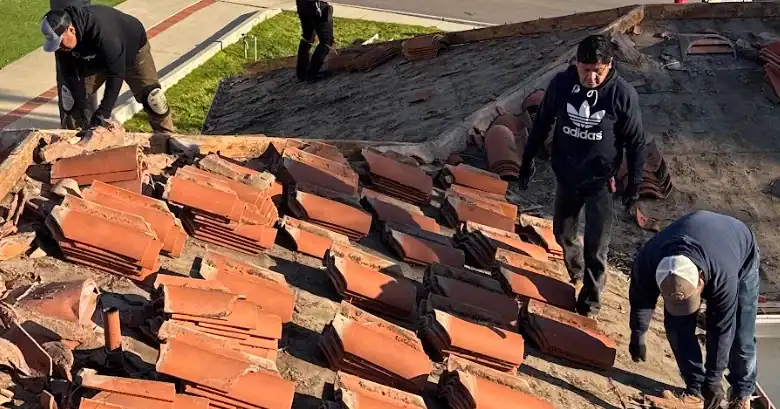
A re-lay begins with the units being lifted in sections, stacked carefully and sorted so that sound pieces are kept and broken ones are set aside for replacement, and the result is a roof that looks as it did and performs like new.
Roofs of Fired Clay and Concrete in Wind and Fire Country
Clearing leaves and needles from valleys, gutters and the back of chimneys removes fuel that could ignite from a flying ember, so make it part of the late-summer routine.
Records, Photographs and Spare Pieces
After a re-lay or a repair, keep the photographs, the proposal and a few spare units stored somewhere safe, because color and profile matching gets harder with time, so ask the roofer for copies.
Tell Us What You Are Seeing
People researching Clay Tile Roofers in Morro Bay California are welcome to call with questions, and 805-723-2381 reaches someone who can help. Calling before a problem becomes urgent makes it easier to compare materials and schedules, so reach out whenever you are ready.
Verified

Verified
Verified
Verified
Verified






















