
Looking for Roof Inspections Serving Orcutt California?
Creative Roofing covers each step of putting a new roof on a house, working in Orcutt California and nearby.
Ring 805-723-2381 to start a conversation about the roof over your head.
Starting Out Right
The first visit is about gathering facts rather than picking a product, because the rest of the plan rests on the findings from that look. A proper look covers the slopes seen from the yard and the ones that are not, and it pays to think it through.
Sunny slopes and shaded slopes tell different stories, and both matter, and a roofer who knows the area expects exactly that.
Deciding What the Roof Needs
A roof can be repaired, partly rebuilt or removed entirely, and the evidence decides what is done, and an honest roofer will say which one applies. A roofer who explains the reasoning in plain terms is easier to trust with the work, and the answer tells you a lot.
When the decking underneath is damaged, the scope of the job grows, and nobody should be surprised when it happens.
Shingle, Tile or Metal
The common choices are shingle, tile and metal, and each suits some houses better than others, and the style of the neighborhood often plays a part. Sun exposure makes color a practical question as well as a visual one, so hold a sample against the house in daylight.
Scheduling Around the Weather
For most of the year the weather here lets a roof go on with few interruptions, and it pays to think it through. On very hot afternoons shingles soften and workers slow down, so the day usually begins at sunrise.
What Happens on Demolition Day
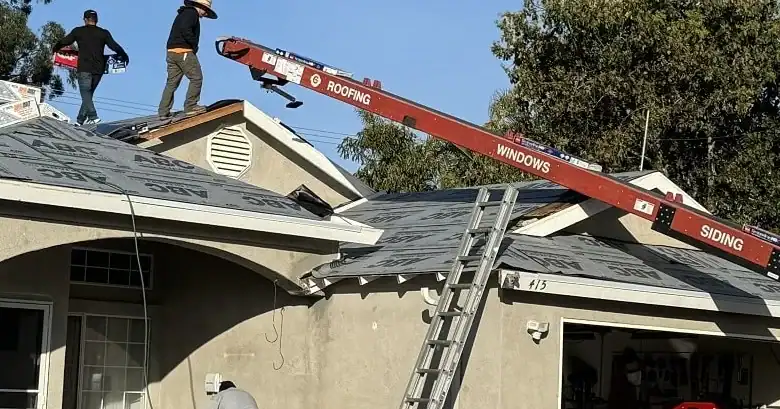
Old roofing comes off in layers, down to the bare decking, and debris goes into a bin or trailer rather than onto the lawn. Repairs to the deck happen now, before anything new is installed, and it is easier to fix now than after the roof is finished.
The Hidden Layers
Beneath every roof is a membrane that catches whatever the surface lets through, and it is easy to overlook. Drying in gives the crew a margin against surprise weather, and the finished surface is installed over a sound base.
Details That Decide Whether It Leaks
Water finds the joints first, so flashing matters, and it pays to think it through. Pipe seals made of soft materials fail early in strong sun, so replacing them along with the roof removes a predictable problem.
Keeping the Attic Cooler
Warm air trapped under the deck works on the roof from below, so vents near the ridge give the hot air a way out. The design of the system matters more than the number of vents, and the answer should be part of the proposal.
The Last Day on Site
Once the roofing is done, the property has to be put back in order, and a magnetic sweep picks up stray nails. A walk around the finished roof with the roofer is a reasonable thing to ask for, and a saved record answers questions nobody has thought to ask yet.
Approvals Before the Work Starts
Replacing a roof usually involves the local building department in some way, and the answer should be clear from the start. Areas with wildfire exposure often have extra requirements for roofing materials and vents, and a roofer working in the area should already know them. Written proposals should describe the materials, the scope and the cleanup in plain words, because what is written down is what everyone remembers.
Protecting the House and Yard
A roofing job puts a lot of weight, noise and debris around a house, and a careful crew sets them before the work begins. Moving vehicles out of range for the day is a simple precaution, and keep a path clear for deliveries. Hammering on the deck above can rattle a ceiling and drop dust into the rooms below, and covering belongings is a sensible precaution.
Noise, Neighbors and Daily Life
A simple roof may go quickly while a complicated one takes longer, and nobody can promise a date through a rain delay. A quick word with the people next door can head off complaints, so a friendly note goes a long way. Household routines bend a little while the work is under way, and the noise settles once the old roof is gone.
Questions That Reveal the Difference
Ask how the roof will be ventilated and how the flashing will be handled, since confident answers come easily to people who do this daily. Product names and thicknesses on the proposal let you compare like with like, and it should be written on the proposal. Surprises are normal, and a process for them is a sign of a well-run job, and you will have a clear record.
Caring for the Roof Once It Is Done
A roof that is never looked at tends to fail when it is least convenient, and little problems stay little. Keep the gutters clear of leaves and needles, especially at the end of the dry season, and it protects the investment you just made. Waiting on a small problem usually makes it more expensive, and the earlier the better.
Choosing the Right Season
Many homeowners wait until a leak appears before they think about a roof, so a few weeks of lead time is common. Early fall is popular because the weather is still dry and the heat has eased, and the details are worth a closer look.
Roof Work and Your Attic
The attic is the roof as seen from below, and it often gives the clearest picture of how the roof has been performing, and bring a flashlight if you can.
Next Steps for Your Roofing Project
Questions about Roof Inspections in Orcutt California begin with a short phone call, so dial 805-723-2381 and say what you are seeing. Every roof is different, so every conversation starts from the house itself, and an early conversation costs little. Putting off a roof question rarely makes it easier to answer, and that is a good place to begin.
Verified

Verified
Verified
Verified
Verified