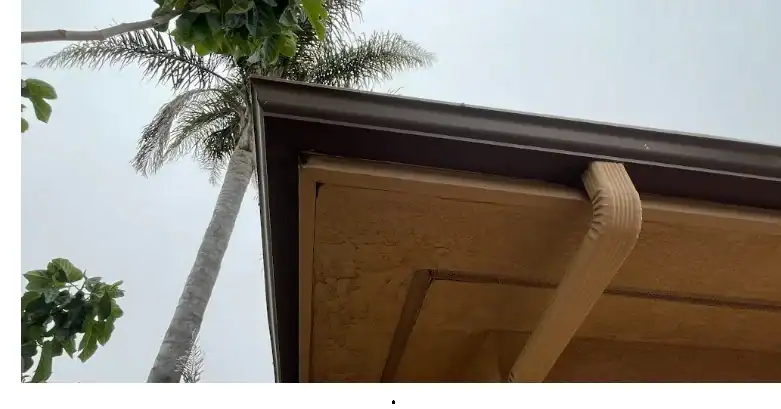
Moving Water Away Using Gutter Cleaning Companies Serving Sacramento California?
Creative Roofing focuses on what happens to the water after it runs off the edge of the roof, for homes in Sacramento California and the surrounding area.
Dial 805-723-2381 and describe what you see when it rains.
A Roof Without a Drainage Plan
A single heavy storm can send hundreds of gallons off an average roof in a short time, which is why a roof needs a way to hand the water off. With a gutter, the water is gathered and released in a few chosen places, so the goal is to move water, not just to catch it. Downspouts, elbows and outlets make up the other half of the system, so it pays to look before the storm.
What Gutters Do for a House
A dry perimeter starts with gutters that carry runoff clear of walls, openings and trim, and a dry perimeter is a good sign. Dry soil, dry siding and dry steps are what a good system leaves behind, and that is the quiet measure of success. Water pooling next to the footing can soften the ground, shift the soil and find its way into low spaces, and a small investment in extensions is worth considering.
How the Local Climate Loads Your Gutters
The first big storm after a dry summer tests gutters harder than a steady rain would, and clogged troughs overflow when the water is heaviest. Roof granules and dust from the dry season turn to silt in the bottom of the trough, and a gentle brush clears most of them. Hot days bake the debris, and then the first rain turns it into a paste that packs the downspouts, and the trees near the house set the pace.
Why Cleaning Matters
When a gutter overflows, the water spills right where it was supposed to be diverted, so the symptoms show up late. Debris should be bagged and taken away, not dropped to the ground where it will wash back in, and that test often reveals problems that were not obvious. Sludge at the bottom of the trough smells, and it can hide small holes and seams that leak, so work from one end toward the downspout. Two-story houses call for extension equipment and a spotter, or for a professional who has both, so work slowly and keep three points of contact.
Wildfire Season and Gutter Debris
Clearing gutters before fire season is a recommendation that fire agencies repeat every year, and it takes only a few hours. Clearing the roof of dry debris at the same time prevents it from washing down, and one pass with a broom often does the job.
One-Piece, Sectional and Everything Between
Gutters come in several profiles, with half-round and K-style the most common on houses, and the downspouts matter as much as the trough. Custom bends and corners are possible, though each one adds a joint that has to stay sealed, and a small profile is fine where it fits. Each gutter material has a personality: some resist rust, some resist dents, some resist sun, so weigh strength, look and upkeep together.
Fall, Fasteners and Outlets
Each downspout is placed so that it carries a share of the water without being overwhelmed, and uneven spacing is a common reason for failure. Long runs may need a high point in the middle and a downspout at each end, which is why the slope gets checked with water. Corners, end caps and joints are the weak points, and they are sealed to stay watertight, so roof work and gutter work are best planned as one job.
Extensions, Splash Blocks and Underground Lines
What the downspout does at ground level matters as much as what the gutter does at the roof, and a short extension fixes most of these problems. The best discharge point is a place where water can disperse harmlessly, so choose the end point before you buy parts. Rain barrels and rain gardens capture runoff for use in dry months, and local rules sometimes limit how they are used, and the best plans solve two problems at once. Check with local authorities before connecting any drainage to a public system or neighbor property, which also keeps mosquitoes out.
Warning Signs You Can Spot From the Yard
Watch the gutters during a rainstorm, because that is when problems show themselves, and a sagging section rarely heals on its own. Waterfalls over the side during a downpour usually mean the troughs are full or the outlets too few, which is the most common cause of overflow. Take notes on where the water goes when the rain is heaviest, and a photo with a time stamp helps too. Birds, wasps and even seedlings making a home in the trough show that debris has built up, so address the cause and not just the symptom.
Fix a Section or Start Over
Many gutter problems are small, local and cheap to correct if they are caught early, so ask what is repairable and what is not. Repairs at the edge are best coordinated so the gutter and the roof are fixed in the right order, which is why fascia gets inspected first. Paint or touch-up on bare metal slows rust before it spreads, so ask for both options to be explained. The work is easier when both are done together, and the details at the eave line up better, and the schedule is simpler when one crew handles both.
Questions About Your Gutters
Sorting through Gutter Cleaning Companies in Sacramento California begins with understanding where the roof sends its water, with 805-723-2381 ready when you are. Photographs of the trouble spots help, and a rough idea of when the problem began is even better, and Creative Roofing is glad to talk it through. A little attention before the wet months saves a lot of trouble during them, and the answer can be as simple as a short extension. The water coming off your roof is predictable, and that makes it manageable, which is why one repair rarely tells the whole story. Planning for runoff early keeps later choices simple and keeps repairs few, and the roof benefits as well.
Verified

Verified
Verified
Verified
Verified