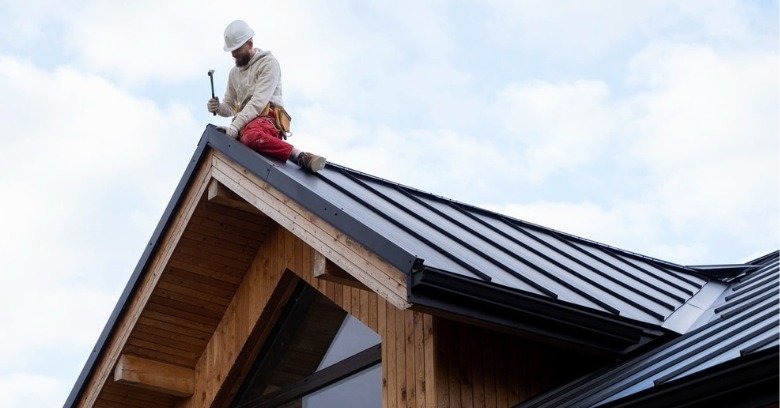
Considering Metal Shingle Roofers in Sacramento California?
Creative Roofing puts up ribbed, seamed and stone-coated metal coverings on houses, for homes in Sacramento California and the towns around it.
Call 805-723-2381 and we will explain how a metal roof goes together.
The Basics of a Metal Covering
A metal roof is a system of formed panels, fasteners, trim and underlayment that works together, and that is worth keeping in mind. Aluminum is lighter and resists rust naturally, which suits some situations, and each material has its own strengths.
The Shapes Metal Takes
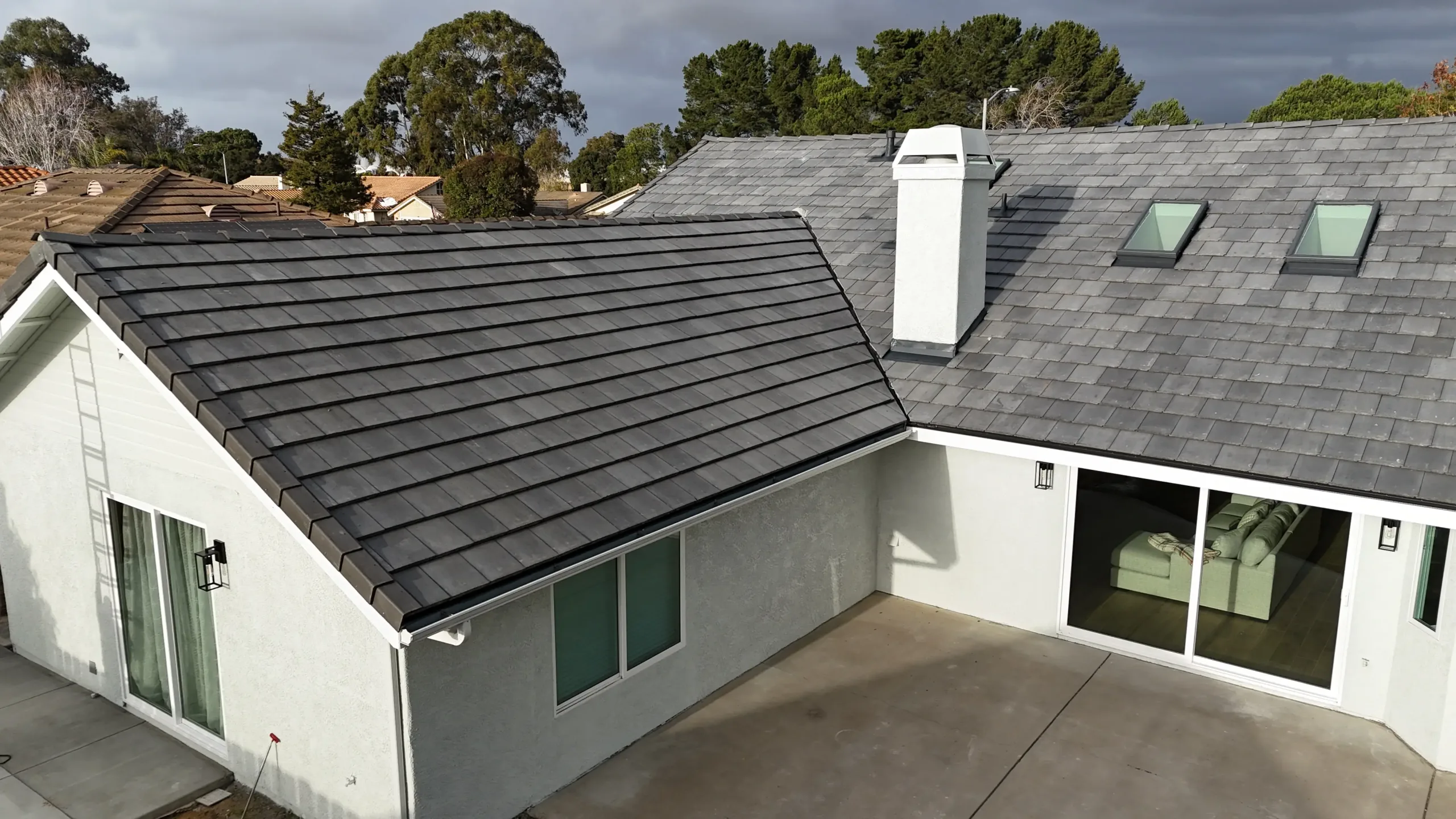
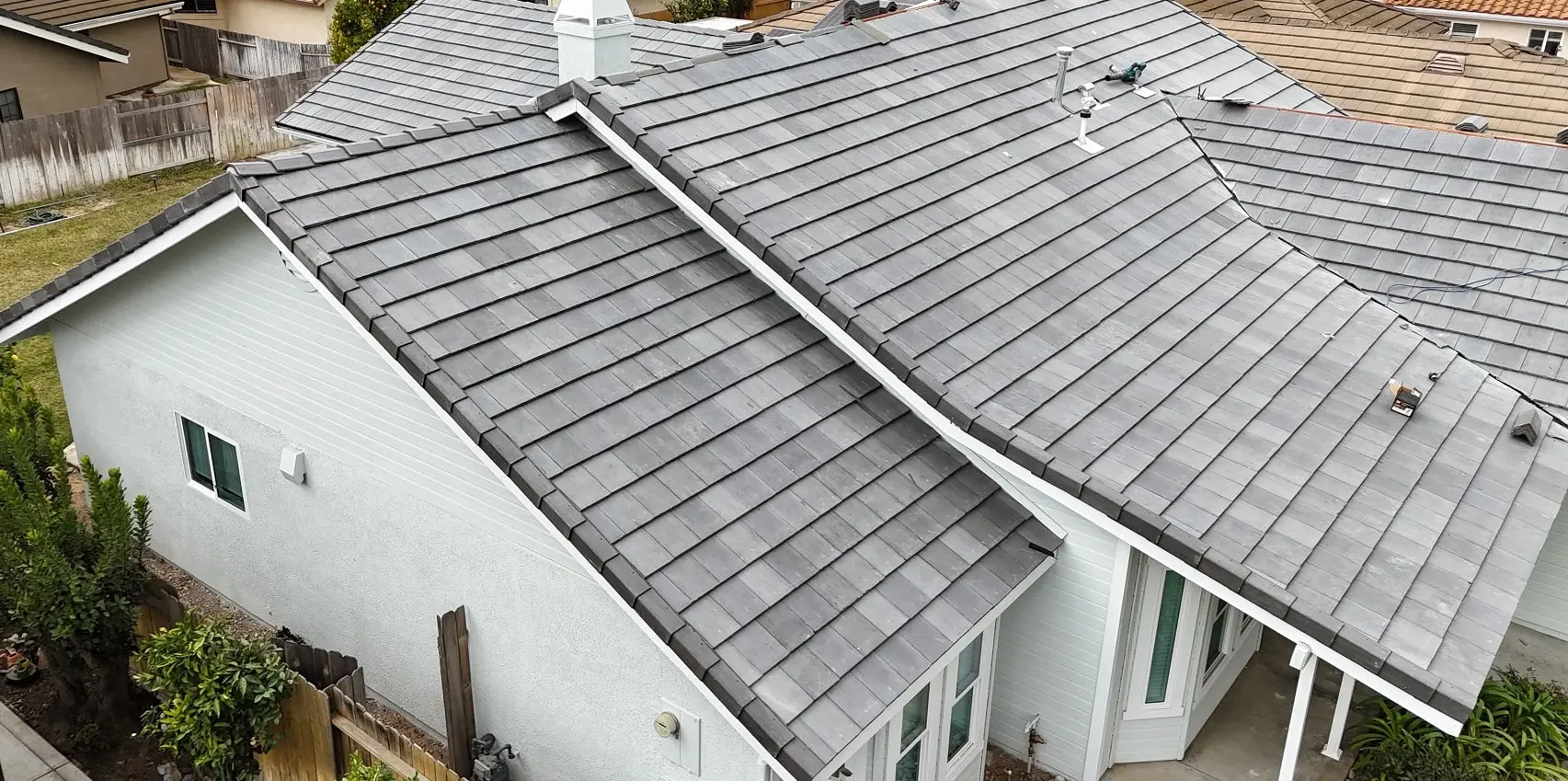
Hidden fasteners are the signature of a standing seam system, and the panels are formed to length on site or at a shop. Screw-down panels cover large areas economically and quickly, and the details are worth a closer look. Metal shingles and tiles are stamped to mimic slate, shake or clay while staying light, and the finish should be checked for color match and wear.
Color, Coatings and Reflectivity
Months of ultraviolet light fade finishes that are not made to resist it, and chalking or fading is the sign that a coating is giving up. Special pigments can keep even a dark color cooler than ordinary paint, and the benefit depends on the house and the attic.
Why Metal Moves
Movement is a fact of life for metal, and the design has to allow for it, and clips are designed to let the panel slide. Screws that back out slightly over time let water in around the head, and replacement screws are cheap.
Gusty Weather and a Metal Roof
Uplift is the force that matters on a lightweight covering, so trim should be fastened to a proper pattern. Gaps at the ridge are an easy way for leaves, dust and insects to get in, and replacing a worn one is simple.
A Noncombustible Covering
Panels made of steel or aluminum do not ignite from windblown embers, and it pays to think it through. Debris that piles in valleys and against walls can feed a small fire, and a metal roof makes the job easier.
Living Under a Metal Roof
The sound of weather depends on what is under the metal, so the idea that metal roofs are loud mostly comes from unfinished buildings. Attic comfort is a matter of ventilation, insulation and surface working together, and a good answer is specific.
What Careful Installation Looks Like
Metal panels need a flat, solid deck, and any damaged sheathing is replaced before the panels go on, and not every underlayment suits a metal roof. Valleys, hips and ridges are trimmed in metal to match the panels, and a neat result is a good sign. Panels are cut to length, hemmed at the ends and fastened in a set order that keeps them straight, and a little care goes a long way.
Keeping Metal in Good Shape
Scratches should be touched up before bare metal is left exposed, and the details are worth a closer look. Dissimilar metals can cause corrosion when they touch in the presence of moisture, so ask about compatibility if the house already has metal parts.
Handling a Sudden Downpour
Rain in this region tends to arrive in short, heavy bursts after months of dry weather, and the dry months are the time to prepare. Gutter placement and drip edge details matter more with metal than with rougher surfaces, and downspouts should carry the flow well away from the house.
Deciding Whether to Strip the Old Roof
In some cases metal panels can be installed over an existing shingle roof, which saves the cost and mess of tear-off, so the roofer should look before recommending it. Starting from bare wood is the most thorough approach, and there is no single right answer.
Low Slopes and Steep Pitches
A shallow roof demands a system with sealed or mechanically locked seams, so the roofer has to check before recommending a panel. Changes in pitch call for careful transitions and flashing, and a good installer will have done it before.
Metal Roofs and Long-Term Value
Metal roofs are known for lasting a long time when installed well and kept in good order, and it is worth paying for good installation. Keeping records of the installation helps when the house changes hands, and ask what documentation comes with the job.
Mistakes to Avoid With Metal
Oil canning, the waviness sometimes seen in flat panel areas, is mostly a matter of handling and fastening, and asking for references is reasonable. Walking on a metal roof can dent or scratch it if done carelessly, and call a professional for anything serious.
Reading a Metal Roof Quote
The proposal should state whether fasteners are concealed or exposed, so ask for details in writing. Seeing finished roofs of the same style in person is more convincing than any brochure, and listen to how the answers are given.
Looking Good Under a Strong Sun
A good finish is the first defense against weather and the most visible part of the roof, and cheaper coatings fade faster. Lighter and mid-tone colors tend to hide dust and minor wear better, and do not decide from a screen. Asking the roofer about local requirements is a sensible first step, and a good contractor already knows the local rules.
Details Around the Edge of a Metal Roof
Drip edge, fascia and gutters frame a metal roof, and each one has to be chosen and installed with the panel style in mind, so ask how the edges will be finished. Leaf and debris protection over the gutters is a real consideration on a metal roof in a dry, tree-lined area, and keep branches trimmed back from the roof.
Measuring, Forming and Delivery
Custom-formed panels, trim and flashing are made after the details are settled, which adds a stretch of waiting time at the start of the project, and a little care goes a long way.
Talk to Us About a Metal Roof
A conversation about Metal Shingle Roofers in Sacramento California usually starts with the style of the home, with 805-723-2381 ready whenever you want to talk. Whether the roof is leaking now or you are simply planning ahead, an early conversation keeps your options open, and the details are worth a closer look.
Verified

Verified
Verified
Verified
Verified