Researching Snap Lock Standing Seam Metal Roofing Contractors Throughout Sacramento California?
Creative Roofing builds and repairs metal roofs, from simple ribbed sheets to concealed-fastener systems, for homes in Sacramento California and the towns around it.
Dial 805-723-2381 to talk through the panel styles and what would suit the house.
A Roof Made of Steel or Aluminum
The panels are what you see, but the layers underneath and the trim around the edges matter just as much, and that is worth keeping in mind. Copper and zinc are used on special projects and age with a distinctive patina, and the finish is as important as the metal.
Standing Seam, Corrugated and More
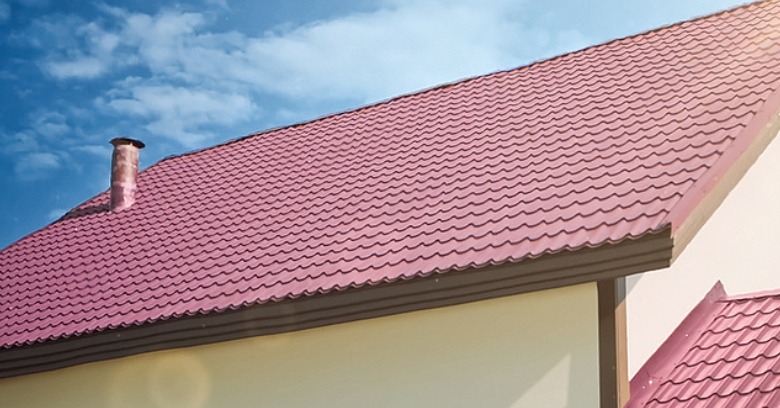
The raised seams give the roof its clean, linear look and shed water well, and snap-lock and mechanical-lock versions differ in how the seams close. Corrugated and ribbed panels are fastened with screws that pass through the face of the sheet, and the details are worth a closer look. Many homeowners choose these products when they want a traditional look in a metal system, and installation uses small pieces rather than long panels.
Sun, Heat and Finish
The summer sun is the main test for a coating on a roof here, so look at the finish as carefully as the panel. A pale panel reflects more solar energy than a dark one does, and it pays to think it through.
Thermal Movement Explained
Daily swings in temperature put constant stress on the fastening points, so the system should never trap it. Fasteners are the most common maintenance item on screw-down roofs, so a check every few seasons is wise.
Gusty Weather and a Metal Roof
Metal panels are strong and well attached, yet wind finds edges before anything else, and a loose piece of edge metal is a warning. Gaps at the ridge are an easy way for leaves, dust and insects to get in, and replacing a worn one is simple.
Fire, Embers and Metal
Fire resistance depends on the entire assembly, but a metal surface is a strong start, and it pays to think it through. Gutters, vents and the roof edge are where embers tend to collect and ignite materials, and a clean roof helps more than most people expect.
Rain, Heat and Quiet Rooms
In a house with a normal attic, rain on metal is usually a soft background sound, and the details are worth a closer look. Attic comfort is a matter of ventilation, insulation and surface working together, so ask the installer to describe the plan.
How Metal Goes On
Underlayment designed for high temperatures goes over the deck first, so ask which product will be used. Valleys, hips and ridges are trimmed in metal to match the panels, and the quality of the craft shows at these points. Lines that run true from ridge to eave are a sign of careful layout, and metal does not forgive careless starts.
Caring for Metal Over Time
Debris that sits on metal holds moisture and can lead to staining and corrosion, so keep the touch-up color the installer leaves behind. Fasteners must be compatible with the panel metal to avoid galvanic reactions, and the roofer should know the rules.
Rain Bursts and Water Control
The first big rain of the season tests every drainage detail on a house, and gutters must be sized to cope. Overshooting is a known issue where a fast-draining roof empties straight over a gutter, so ask how the gutters will be positioned.
Deciding Whether to Strip the Old Roof
In some cases metal panels can be installed over an existing shingle roof, which saves the cost and mess of tear-off, and the answer is different for every house. Replacing rotten decking is only possible when the old covering is out of the way, and it costs more in time and disposal.
Low Slopes and Steep Pitches
The pitch of a roof determines which panel styles will shed water reliably, and using a panel below its minimum invites leaks. Combining two panel types on one house is common and usually works well, so ask to see examples.
Weighing the Long View
The material itself does not rot, crack or curl the way other coverings can, and it is worth paying for good installation. A roof that looks good and needs little upkeep appeals to many buyers, and that is worth thinking about early.
Where Metal Jobs Go Wrong
Oil canning, the waviness sometimes seen in flat panel areas, is mostly a matter of handling and fastening, so experience counts for more than a low figure. Anyone who must go on the roof after installation should be careful where they step, and it is easy to overlook.
What to Ask Before You Choose
The proposal should state whether fasteners are concealed or exposed, and it is the specifics that you are really buying. A contractor with experience can explain problems before they happen, and a confident roofer will be happy to oblige.
Choosing Colors and Finishes
Baked-on paint systems protect metal panels and give them their color for many seasons, and check the sample for color stability. Dark colors show scratches and fading more quickly under strong light, and do not decide from a screen. Asking the roofer about local requirements is a sensible first step, and approvals take less effort when started early.
Gutters, Trim and the Finishing Touches
Metal trim at the eave gives the roof a finished look and keeps water away from the wood behind it, and the details are worth discussing before work begins. Cleaning the gutters before the rainy season is the simplest way to avoid overflow at the eave, and the roof will repay the effort.
Why Metal Jobs Take a Little Longer to Start
Because panels are often rolled to length for a specific roof, accurate measurements and a firm choice of color have to come before anything is ordered, and ask for an honest estimate of the wait.
Tell Us What You Have in Mind
People researching Snap Lock Standing Seam Metal Roofing Contractors in Sacramento California are welcome to call with questions, and 805-723-2381 reaches someone who can help. Whether the roof is leaking now or you are simply planning ahead, an early conversation keeps your options open, so reach out whenever you are ready.
Verified

Verified
Verified
Verified