Thinking About Residential Roofing Maintenance Around San Luis Obispo California?
Creative Roofing handles the planning, the tear-off and the cleanup of a roof job, working in San Luis Obispo California and nearby.
Dial 805-723-2381 and we will talk through what the roof needs.
Before Anything Is Torn Off
A roofing project begins with a close look at the surface, the edges and the pipes, and the notes from that visit steer every later choice. Signs of wear on top often point to a moisture problem underneath, and each one goes into the notes.
Months of direct sun take a steady toll on whatever covers a house, so the south and west slopes get the closest attention.
What Should Actually Be Done
Some roofs need a patch, some need a section redone, and some have reached the end of the road, so a clear explanation matters more than a quick quote. A roofer who explains the reasoning in plain terms is easier to trust with the work, and a good roofer expects the question.
Wood that has been wet for a long time has to be cut out and replaced, and nobody should be surprised when it happens.
Choosing Materials for Your Home
Most houses here wear one of three coverings, and the choice shapes everything else, since heavy coverings need a frame built to carry them. Sun exposure makes color a practical question as well as a visual one, and a full-size piece seen outdoors beats a catalog picture.
Timing the Work
Roofing here follows the weather more than the calendar, and crews watch the forecast closely. Roof surfaces get hot enough in July to change how materials behave, and finishing early keeps people and materials in better shape.
Tear-Off and Preparation
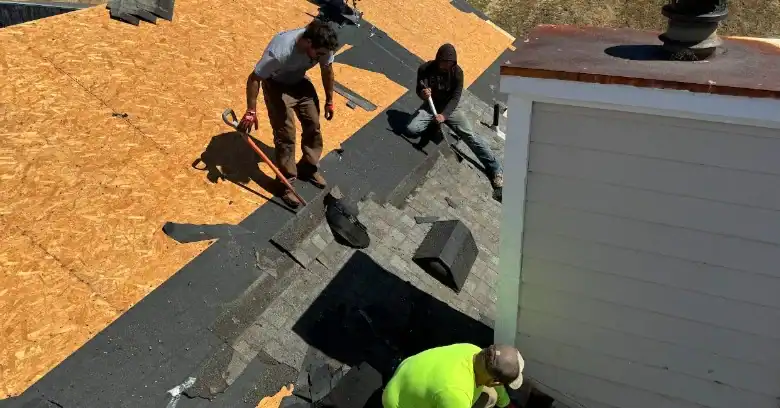
Taking the old roof off is the noisiest and messiest part of the job, and debris goes into a bin or trailer rather than onto the lawn. Soft or split sheathing is cut out and new panels are fastened down, and it is easier to fix now than after the roof is finished.
Underlayment and Drying In
Beneath every roof is a membrane that catches whatever the surface lets through, and it is easy to overlook. The house is safest once the second layer is complete, and that is worth keeping in mind.
Details That Decide Whether It Leaks
The places where a roof is interrupted are the places most likely to leak, and reusing old flashing under a new roof often comes back to bite. Plumbing vents are among the most common sources of small leaks, so this is an easy step to ask about.
Intake and Exhaust
A roof without enough ventilation bakes the attic and everything stored in it, since warm air rises on its own when it is given a path. Adding vents at random may do little more than cut holes in the roof, and the answer should be part of the proposal.
Wrapping Up
Once the roofing is done, the property has to be put back in order, and that is worth keeping in mind. Questions are easier to settle while the crew is still on site, and it makes future repairs and sales smoother.
What the City Wants to See
Local requirements shape the job before the first shingle is touched, and the process is easier when someone handles it for you. Fire safety rules in some neighborhoods affect which coverings are allowed, and a roofer working in the area should already know them. Written proposals should describe the materials, the scope and the cleanup in plain words, and it is easy to overlook.
Keeping the Property Safe
A busy work site needs boundaries, and it is reasonable to ask how this will be done. Cars parked in the driveway can be struck by falling nails or pieces of shingle, and it pays to think it through. Light fixtures and wall hangings can shift when a roof is being removed above them, and covering belongings is a sensible precaution.
The Few Days of Commotion
The calendar for a job is set by the roof, not by the wish list, and the crew should give you a realistic window. A quick word with the people next door can head off complaints, and the whole thing is over sooner than it seems. Household routines bend a little while the work is under way, and the noise settles once the old roof is gone.
Questions That Reveal the Difference
Ask how the roof will be ventilated and how the flashing will be handled, and write the answers down. Knowing exactly what is going on the house removes a common source of disputes, and a good roofer will be glad you asked. Ask what happens if something unexpected turns up under the old roof, and the details are worth a closer look.
Looking After a New Roof
Checking the roof twice a year takes only a few minutes, so put it on the calendar like any other chore. Overhanging trees drop material that collects in corners and valleys, and that is worth keeping in mind. A prompt visit after damage keeps a minor repair minor, so do not wait for the next storm.
Timing a Roof Project Through the Year
Waiting for the first storm to find the weak spot means hiring in a hurry, and calling in spring avoids the rush. Spring can bring the first showers, so flexibility helps, and a good roofer will explain the trade-offs.
What the Crew Sees Inside the House
The attic is the roof as seen from below, and it often gives the clearest picture of how the roof has been performing, so ask the roofer to look inside as well.
Next Steps for Your Roofing Project
Questions about Residential Roofing Maintenance in San Luis Obispo California begin with a short phone call, and the number is 805-723-2381. Every roof is different, so every conversation starts from the house itself, and that is worth keeping in mind. Putting off a roof question rarely makes it easier to answer, and the next step becomes obvious.
Verified

Verified
Verified
Verified