
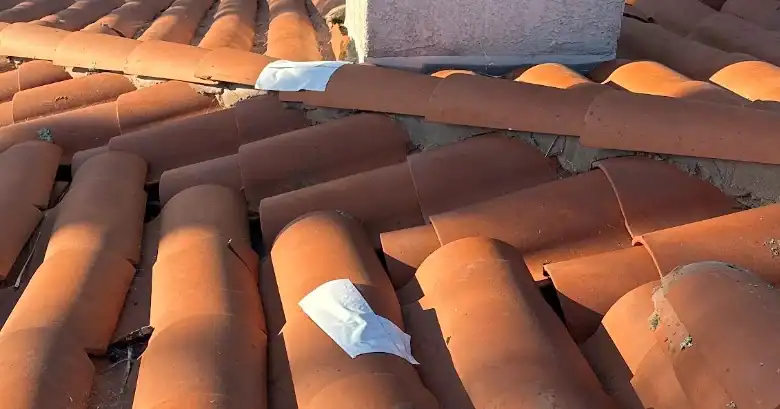
Weighing Clay Tile Roofing Contractors Around Santa Barbara California?
Creative Roofing works with clay and concrete roofing units, from a single cracked piece to a full re-lay, for homes in Santa Barbara California and the towns around it.
Ring 805-723-2381 and we will explain what is involved.
Clay and Concrete Units in Plain Terms
Fired clay and molded concrete are the two materials used for the heavy, durable coverings found across the region, and the overlap lets water run off quickly. Each type comes in profiles from rounded barrels to flat slabs and interlocking shapes, and the style often follows the architecture of the house.
Checking the Rafters Before Choosing
The framing is the foundation of any heavy roof, and a sagging ridge is a sign of trouble. A house that was built for shingles may not be safe under a full load of concrete, and a casual answer should give you pause.
What Sits Beneath the Pieces
The units shed most of the rain, but the underlayment beneath is the layer that actually keeps the house dry, and it ages in the heat trapped under the pieces. Modern synthetic and self-adhering underlayments last longer under high temperatures, so ask what product will go under the units.
Strong Sun and Fired Surfaces
Long dry summers are easy on the material itself, though the layers underneath age in the heat, and the weight helps with wind as well. Cosmetic wear is common and does not usually affect performance, and a roofer can tell the difference.
Cracks, Slips and Broken Pieces
Falling branches and windblown debris can also crack pieces in a storm, and replacing a broken piece is a quick job. Asking other trades to avoid walking on the roof prevents a lot of broken pieces, so ask for a check after other work is done.
Edges and Intersections
Details where the pieces meet something else are the places most likely to leak, so look at how the work is finished. The cap line at the top of the roof is one of its most exposed areas, and it pays to think it through.
Wildfire Season and Fire Resistance
The method of attachment depends on the slope, the wind exposure and the local rules, and a little care goes a long way. Bird stops and closures at the eave seal the openings where embers might enter, and local rules may set requirements for roof assemblies.
Options for a Tired Roof
The pieces on an old roof may be fine for many more seasons even when the underlayment has given out, and the savings from a re-lay can be considerable. Replacing the covering gives the chance to upgrade the structure, the ventilation and the details, and a good roofer will lay them out plainly.
How Units Are Bedded and Secured
Foam adhesives are widely used to secure units, particularly in areas where wind is a concern, because they bond quickly and resist uplift, and the method should be named in the proposal. A missing eave closure is easy to spot from the ground as a dark gap along the lower edge of the roof, so these small parts deserve attention.
Cleaning a Heavy Roof Without Damaging It
Dark streaks and patches of lichen are common on north faces and under trees, and they are mostly a cosmetic issue, and the result can be striking. Cleaning is not a substitute for repairs, but it often reveals cracked pieces that were hidden by grime, and the roof will look and perform better.
Specifying the Hidden Layer
High-temperature rated products suit the hot conditions found beneath dark units on a sunny slope, and the choice should be in writing. A sticky rubberized sheet seals around fasteners and clings to the deck, providing waterproofing even if the surface layer is breached, and the extra layer is inexpensive protection.
Planning Equipment Around the Units
Rooftop solar arrays and skylights need openings or mounting points cut through a roof of individual pieces, and each one has to be flashed with care, and a little care goes a long way. A roofer can place a few walkway planks or marked steps to protect the routes that others will use, and the details are worth a closer look. Valleys and low points on a roof of this kind carry the heaviest flow in a downpour, and the units along their edges are cut to fit and sealed with care, and it is easy to overlook.
Two Materials, Two Personalities
Between the two, concrete is usually the more economical, while clay is prized for its authentic look and its long record of service, and compare how they look in daylight. Matching the profile to the style of the house is the first design decision, and it affects the cost and the installation method, and think about the neighbors as well.
Questions Worth Asking
Look for details on the underlayment type, the valley metal and the ridge system, and a little care goes a long way. Find out whether the crew has experience on heavy roofs and can show examples of finished work, and the details are worth a closer look.
What Happens on Site
Each section of the roof is stripped down to the underlayment, repaired and covered with fresh waterproofing before the units go back, and it is easy to overlook.
Preparing for Dry Winds and Embers
Trimming branches back from the roof and keeping a clear margin around the house reduces the risk to the roof and the building, and a tidy roof is a safer roof.
Keeping Track of a Long-Lived Roof
After a re-lay or a repair, keep the photographs, the proposal and a few spare units stored somewhere safe, because color and profile matching gets harder with time, and store them with the house papers.
Next Steps for Your Roof
A conversation about Clay Tile Roofing Contractors in Santa Barbara California usually starts with the age and condition of the roof, so use 805-723-2381 to set up the next step. Even a quick call can clear up questions about underlayment, repairs and timing, and the first step is just a phone call.
Verified

Verified
Verified
Verified
Verified






















