Planning Commercial Roof Installations Serving Santa Barbara California?
Creative Roofing plans roof work for owners and managers who cannot afford a disruption, wherever a building needs a sound roof around Santa Barbara California.
Call 805-723-2381 to arrange a visit to the property.
Roofs Over Businesses
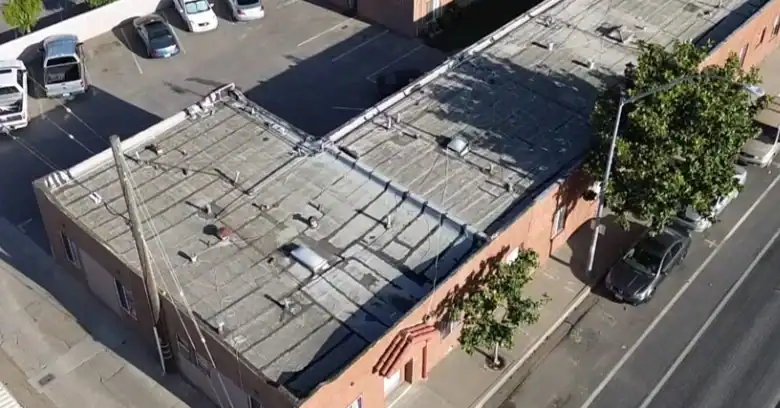
A building roof is built around drainage and access rather than steep pitch, so the finer points carry the weight. Flat roofs rely on continuous membranes with welded or glued seams, and it pays to think it through.
Tenants and staff notice a drip long before an owner sees the cause, so planning ahead is the practical approach.
What Building Roofs Are Made Of
Rolled single-ply sheets are widely used because they are light, reflective and quick to install, and each family has its own seam method. Older buildings often have built-up roofing, with several layers laid over one another, and the layers add redundancy. Spray foam and fluid-applied coatings are also used in some situations, so the building and its use drive the decision.
Drains, Scuppers and Slope
A roof that holds puddles after rain is telling you something, and ignoring it tends to shorten the life of the membrane. Debris collects around drain strainers after the dry months and blocks them in the first storm, and a little care goes a long way.
Working Around Machinery
Heating and cooling units, exhaust fans and vents sit on most commercial roofs, so those details deserve the most attention in an inspection. Foot traffic that is not planned for wears the roof where it matters most, and everyone benefits from the protection.
How the Climate Affects a Building Roof
Sun and heat are the steady stresses on a commercial roof in this part of California, and the surface slowly dries, chalks and cracks. A cooler roof surface lowers the strain on air conditioning in hot months, and no roof saves everything it promises.
Looking After a Roof Between Repairs
Scheduled inspections catch small problems before they reach the ceiling, and a little care goes a long way. Photographs from each visit help track changes over time, and the details are worth a closer look.
When a Roof Reaches the End of Its Life
The right answer depends on how much of the system is still dry and sound, so ask for evidence before agreeing to a plan. Once water has spread through the layers, replacement is the honest answer, and the cost of delay grows with every storm.
Keeping the Business Running
Roof work above an operating business needs planning so that normal activity can continue, and noisy work can be timed around business hours. Safety at the edge of a roof is a serious matter for the crew and for people below, and that is a reasonable thing to discuss in advance.
Comparing Commercial Roofing Proposals
A clear commercial proposal names the system, the thickness and the method of attachment, so compare the line items one by one. Ask how the work will be inspected and what documentation will be provided at the end, and keep it with the building records.
Finding the Source of a Commercial Leak
Tracing a leak on a low slope takes patience, because water wanders, and guessing leads to repairs in the wrong place. Common sources include seams, drains, flashing at walls and the base of every pipe, and a good survey starts with those. Infrared and electronic surveys map wet insulation without cutting the roof apart, and a clear map makes planning easier.
Edges Are Where Roofs Let Go
Strong seasonal winds pull hardest at the perimeter of a low-slope roof, and the perimeter needs extra fastening. Loose trim lets wind get under the membrane and peel it back, and it is easy to overlook.
Walls, Parapets and Flashing Details
Where a flat roof stops against a wall, flashing has to turn the membrane up and seal it, and it is worth checking after every storm season. Cracks in a parapet cap or the wall below can feed water into the roof system, and it pays to think it through.
Coatings Explained
Coating is a way to protect a roof before it fails rather than after, and a little care goes a long way. Surface treatments help sound roofs, not ones that are failing underneath, so be wary of anyone who promises it fixes everything.
Big Buildings, Big Roofs
Large roofs pose logistical problems that small ones never do, and the roof can be done in sections. Multi-tenant buildings call for clear communication with every occupant, and tenants appreciate being kept informed. Roofs over housing need extra care to keep people safe and informed, and clear notices help everyone know what to expect.
The Long View on Roof Spending
Treating the roof as an asset with a lifespan is the smart approach, and regular inspections help estimate the timing. Choosing on the lowest initial figure alone can cost more over the life of the building, and the details are worth a closer look.
Insulation Under the Membrane
Foam or fiberboard panels are laid over the deck and covered by the membrane, so keeping them dry is essential. Extra layers under the membrane help it resist wear from equipment and walking, and the result is a tougher roof. Angled boards direct water toward drains and reduce ponding, and it is a good time to ask about it.
Late-Summer Readiness Checks
Late summer is the right moment to walk a commercial roof, because debris has accumulated through the dry months and the first storms are only weeks away, and share the results with the owner.
Ready to Look at the Roof
A conversation about Commercial Roof Installations in Santa Barbara California usually starts with the age and type of the roof, so use 805-723-2381 to set up the next step. Calling sooner rather than later keeps repair costs and disruption smaller, and the roof will tell the story once someone looks. People who manage property tend to value a straight answer about the roof above all, and describe what you are seeing. The history of a roof matters when a building is sold or refinanced, so it pays to begin early.
Verified

Verified
Verified
Verified