Considering Commercial Roof Maintenance Serving Santa Barbara California?
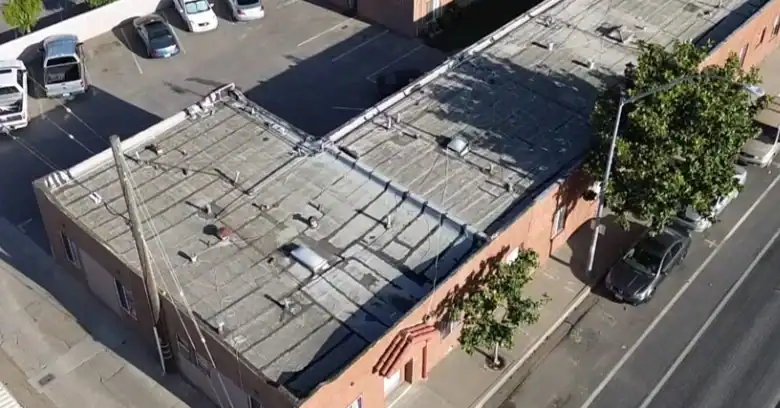
Creative Roofing deals with the flat and low-slope roofs that sit above working buildings, throughout Santa Barbara California and the towns nearby.
Ring 805-723-2381 to start planning the work with someone who knows low-slope roofs.
Why a Building Roof Is a Different Animal
A building roof is built around drainage and access rather than steep pitch, and the materials are chosen with that in mind. Where a house roof sheds water by gravity, a flat roof depends on seams and drains, and it pays to think it through.
Water coming through a commercial roof can reach inventory, electrical gear and computers, and regular checks pay for themselves.
What Building Roofs Are Made Of
Many newer commercial roofs use a single-ply membrane over insulation, and each family has its own seam method. Modified bitumen sheets are heated or adhered in overlapping layers to make a durable surface, and they suit many situations where traffic and equipment are heavy. Spray foam and fluid-applied coatings are also used in some situations, so the building and its use drive the decision.
Drains, Scuppers and Slope
Ponding water speeds up wear and adds weight the structure has to carry, and it pays to think it through. Interior drains, edge scuppers and perimeter gutters each have their own failure points, and an overflow scupper is a backup that should never be blocked.
Rooftop Equipment and Penetrations
Every unit on a roof is a potential entry point for water, and many leaks start there rather than in the open field. Service technicians walking to equipment can wear a path through a membrane, and it is easy to overlook.
Reflective Roofs and Cooling Costs
Sun and heat are the steady stresses on a commercial roof in this part of California, and that is worth keeping in mind. Cooling load is one of the practical reasons building owners choose a reflective roof, and the details of the benefit depend on the building.
Small Jobs That Prevent Big Ones
A planned visit twice a year is a common routine for building owners, so owners often tie visits to the seasons. Typical upkeep includes clearing drains, checking seams and sealing small cracks, and the results show up in fewer emergency calls.
Choosing the Right Level of Work
Moisture surveys can show how much of a roof is truly wet inside, so ask for evidence before agreeing to a plan. Wet insulation stops insulating and adds heavy weight to the structure, so a clear diagnosis matters.
Scheduling and Safety
A good plan keeps customers and staff away from the areas under construction, and noisy work can be timed around business hours. Fall protection is required on commercial roofs, and a professional crew uses it, and a safe site is also an efficient one.
What Should Be in Writing
A clear commercial proposal names the system, the thickness and the method of attachment, and the cheapest-looking option may leave things out. The paperwork at the end of a job is as important as the work itself, and it is easy to overlook.
Why the Drip Is Never Where the Hole Is
On a flat roof the spot where water drips inside is rarely the spot where it came in, and guessing leads to repairs in the wrong place. Penetrations and terminations are the usual suspects, so the inspection begins at the details. Knowing where the water is saves guesswork and wasted effort, and a little care goes a long way.
Perimeter Details and Attachment
Strong seasonal winds pull hardest at the perimeter of a low-slope roof, and loose metal trim is an early warning. Loose trim lets wind get under the membrane and peel it back, and the work is usually quick.
Parapet Walls and Their Weak Points
Flashing at the wall is one of the most failure-prone parts of a low-slope roof, and it is worth checking after every storm season. Counterflashing and termination bars hold the membrane to the wall and keep water out, and a repair there often needs more than a bead of caulk.
Giving an Older Roof More Time
Roof coatings are liquid products rolled or sprayed onto an existing roof to form a protective skin, so cleaning and repairing come first. Coating over a wet roof is a common and costly mistake, and the follow-up inspections matter too.
Distribution Centers and Shopping Centers
Big projects need a plan for storage, staging and phasing, and weather windows matter more at this scale. Shopping centers and strip malls share roofs across several tenants, and tenants appreciate being kept informed. Planning around families and daily routines matters on a residential property, and clear notices help everyone know what to expect.
Thinking About Cost Over the Life of the Roof
Thinking about the roof as a recurring cost makes budgeting easier, so the information from maintenance visits feeds the budget. Quality materials and careful installation tend to pay back over time, and the details in the scope explain the difference.
Insulation Under the Membrane
The insulating layer is part of the roof system, not an afterthought, and wet boards lose most of their value. Adding a cover board is a common upgrade during a re-roof, and the result is a tougher roof. A tapered plan can be drawn for any roof and installed with the new membrane, so raise the question before the proposal is final.
A Seasonal Checklist for Managers
Written notes from each seasonal visit build a record that helps with budgeting and with conversations about replacement, and a little care goes a long way.
Let Us Know What You Are Dealing With
Anyone sorting out Commercial Roof Maintenance in Santa Barbara California is one call away from a straight answer, so dial 805-723-2381 when it suits you. Even a quick conversation can clarify what the building needs, and we are glad to help you sort it out. People who manage property tend to value a straight answer about the roof above all, and describe what you are seeing. Tenants, lenders and insurers all take an interest in the state of a roof, and that is worth keeping in mind.
Verified

Verified
Verified
Verified