
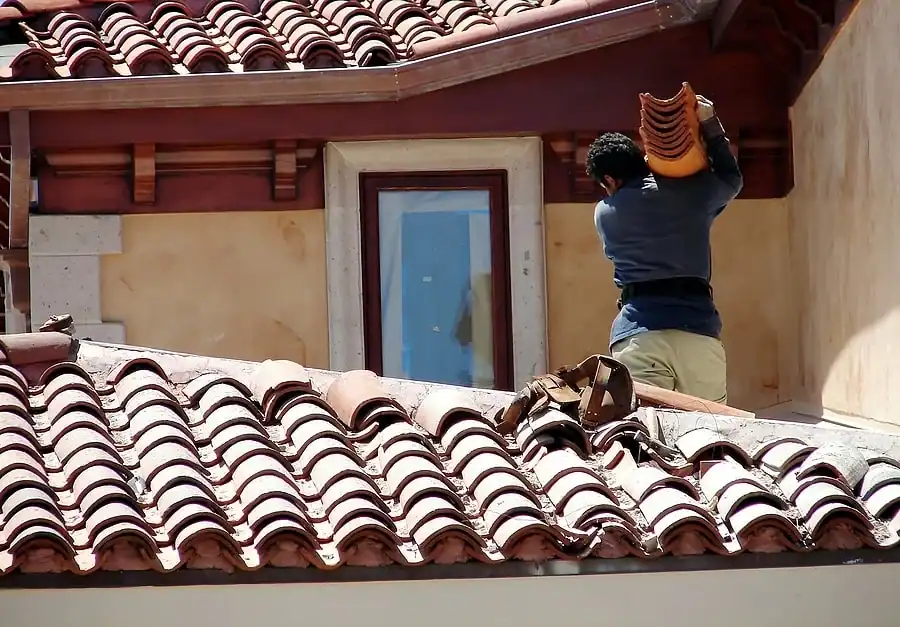
Weighing Concrete Tile Roofers for a Home in Santa Maria California?
Creative Roofing installs, repairs and re-sets the heavy, long-lived coverings found on many homes in the region, across Santa Maria California and nearby.
Dial 805-723-2381 and we will explain what is involved.
What Makes a Roof Out of Fired Clay or Molded Concrete Different
A roof of this kind is a layered system in which each piece overlaps the next and the structure beneath does the waterproofing, and the overlap lets water run off quickly. Both materials resist fire, which has made them popular where wildfire is a concern, so samples help with the choice.
Load and Support
Heavy coverings put real stress on rafters, trusses and walls, which is why the structure is checked first, so a visual check is where the process begins. Adding weight without adding support invites cracks, sagging and even failure, and the details are worth a closer look.
The Hidden Layer That Does the Work
Beneath the visible surface lies a waterproof membrane that does the hard work, and it ages in the heat trapped under the pieces. Replacing the underlayment when the units are removed gives the roof a fresh start, and high-temperature types are worth the small extra cost.
How Heat Behaves Under the Pieces
The heavy mass of the pieces absorbs heat during the day and releases it slowly at night, and it pays to think it through. A gentle wash and a clear sealer can refresh the appearance of an older roof, and a little care goes a long way.
What Goes Wrong on the Surface
Falling branches and windblown debris can also crack pieces in a storm, so a close inspection from the roof is the only reliable method. Asking other trades to avoid walking on the roof prevents a lot of broken pieces, so ask for a check after other work is done.
Edges and Intersections
Details where the pieces meet something else are the places most likely to leak, and sealant alone is never a lasting answer. Ridge and hip pieces are bedded in mortar or fastened with mechanical systems, and the old mortar often fails before the roof does, and the repair is far less costly than water damage.
Wildfire Season and Fire Resistance
The method of attachment depends on the slope, the wind exposure and the local rules, so ask how the pieces will be held down. Embers do not ignite the pieces, though they can still collect in gaps and under the edges, and clean valleys are important.
Restoring a Roof Rather Than Starting Over
The decision depends on how many pieces are cracked and how the underlayment is holding up, and avoid roofers who recommend replacement without looking. Spalling concrete, crumbling clay and widespread cracks are signs that the surface is at its end, and the structure should be reviewed first.
How Units Are Bedded and Secured
Cement bedding has been the traditional method for capping a ridge, but it is rigid and breaks as the roof flexes with temperature, and the method should be named in the proposal. Replacing these strips during a re-lay is inexpensive, and it improves both fire resistance and cleanliness, and a good roofer checks them without being asked.
Washing, Sealing and Surface Care
Dust, pollen and shade can leave a roof of this type looking dull and streaked, even when it is perfectly sound, and a clean roof looks years younger. Soft washing with a mild solution and a gentle rinse removes growth without harming the surface, and fix any breakage before the rains.
Specifying the Hidden Layer
Heavy felt, synthetic sheets and self-adhering membranes are the common options, and they differ in heat resistance and tear strength, and a thoughtful answer is a good sign. Counter-battens add further airflow and reduce heat transfer into the attic, and it adds only modestly to the cost.
Penetrations Through Fragile Surfaces
Rooftop solar arrays and skylights need openings or mounting points cut through a roof of individual pieces, and each one has to be flashed with care, and the answer should be written down. Service technicians for air conditioning and chimney sweeps should be told to step only where the roof can bear a person, and inspect after every visit. When rain arrives in a sudden burst after months of dry weather, the valley is the first place where a defect shows, and a ladder and a soft broom are often all you need.
Choosing Between Clay and Concrete
Both materials are heavy, fire-resistant and durable, and either can give a house a distinctive character, and the difference shows up in the details. Samples of full-size pieces on a roof model show more than a catalog photograph ever can, and think about the neighbors as well.
How to Weigh Two Bids
A thorough proposal names the material, the underlayment, the flashing and the method of attachment, and a clear proposal reflects a careful crew. Questions about experience are reasonable, and the answers say a great deal, and trust the tone of the conversation.
From Lifting the Units to Setting Them Back
Work in stages keeps the house covered at the end of every day, so that a sudden rain does not find an open roof, and the crew has to be careful with every piece.
Roofs of Fired Clay and Concrete in Wind and Fire Country
Trimming branches back from the roof and keeping a clear margin around the house reduces the risk to the roof and the building, and that is worth keeping in mind.
Notes That Help the Next Owner
A note of the underlayment type, the flashing metal and the fastening method helps any roofer who works on the roof later, and a clear record makes repairs simpler.
Next Steps for Your Roof
A conversation about Concrete Tile Roofers in Santa Maria California usually starts with the age and condition of the roof, and 805-723-2381 reaches someone who can help. Even a quick call can clear up questions about underlayment, repairs and timing, and the first step is just a phone call.
Verified

Verified
Verified
Verified
Verified






















