
Weighing Concrete Tile Roofing Contractors Around Santa Maria California?
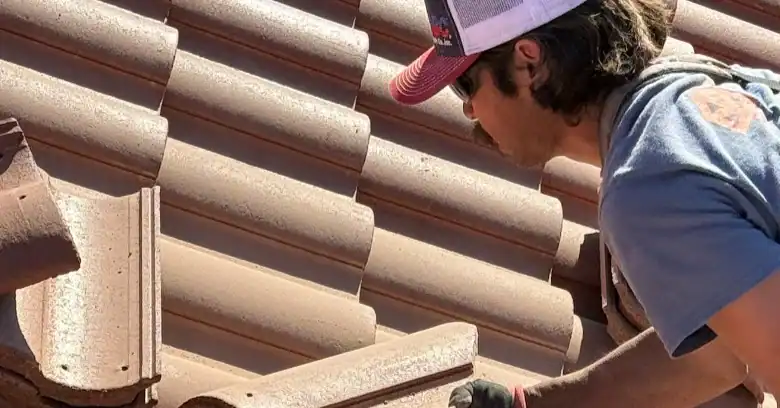
Creative Roofing knows how to walk a fragile surface, find the broken piece and replace it cleanly, serving homeowners in Santa Maria California and beyond.
Phone 805-723-2381 and ask about the roof over your house.
Clay and Concrete Units in Plain Terms
Every piece is shaped to channel water downhill and over the piece below, so the layers below matter more than most people expect. Both materials resist fire, which has made them popular where wildfire is a concern, and the weight differs between materials.
Load and Support
A concrete or clay roof weighs several times more than a shingle roof, so the framing has to be up to the load, and it should happen before materials are ordered. Adding weight without adding support invites cracks, sagging and even failure, and a casual answer should give you pause.
Felt, Membranes and Battens
The units shed most of the rain, but the underlayment beneath is the layer that actually keeps the house dry, and it ages in the heat trapped under the pieces. Replacing the underlayment when the units are removed gives the roof a fresh start, and that is worth keeping in mind.
How Heat Behaves Under the Pieces
The pieces rarely wear out from sun alone, which is why a well-built roof can last so long, and the weight helps with wind as well. Cosmetic wear is common and does not usually affect performance, and it fades or washes off with time.
Why Pieces Break
Broken pieces are the most common problem on a roof of this kind, and they usually come from foot traffic, and the details are worth a closer look. A short inspection after any work on the roof catches damage early, and it is easy to overlook.
The Detail Work on a Heavy Roof
Flashing along walls, chimneys and skylights has to be formed and shaped by hand around each piece, so look at how the work is finished. Ridge and hip pieces are bedded in mortar or fastened with mechanical systems, and the old mortar often fails before the roof does, and it pays to think it through.
Wind, Fire and the Fastening Question
A roof with loose pieces is a hazard in a windstorm, and a little care goes a long way. Embers do not ignite the pieces, though they can still collect in gaps and under the edges, and the details are worth a closer look.
Restoring a Roof Rather Than Starting Over
The decision depends on how many pieces are cracked and how the underlayment is holding up, and a careful inspection answers both questions. Replacing the covering gives the chance to upgrade the structure, the ventilation and the details, and the structure should be reviewed first.
Holding the Pieces Together
Older roofs of this kind used mortar to bed the ridge and hip pieces and to seal the edges, and that mortar eventually cracks and crumbles, and be wary of mortar alone on a ridge. The openings along the bottom edge of a profiled roof need a closure strip, or they become a doorway for pests and debris, and a tidy edge looks better as well.
Looking After the Appearance
Cleaning should be done carefully by someone who knows the material, since walking on the roof is a risk to the units themselves, and a sealer can slow the return of stains. High pressure is the wrong tool for a roof made of individual pieces, because the water is driven uphill under the laps, and fix any breakage before the rains.
A Better Base for a Long-Lived Roof
Choosing a durable underlayment is one of the best investments in a long-lived roof, since it is the layer that has to outlast the rest, and that is worth keeping in mind. Battens that lift the units off the underlayment allow air to circulate and water to drain freely beneath the pieces, and it pays to think it through.
Solar Panels, Skylights and Heavy Roofs
Rooftop solar arrays and skylights need openings or mounting points cut through a roof of individual pieces, and each one has to be flashed with care, so coordinate the roofer with any other trade. Telling every visitor about the fragility of the surface prevents a surprising amount of damage, and inspect after every visit. A valley that is clogged with leaves and needles can send water sideways under the units, which they are not designed to handle, and the dry season is the time to do it.
Picking the Right Unit for the House
Both materials are heavy, fire-resistant and durable, and either can give a house a distinctive character, and the better choice depends on the house and the budget. Samples of full-size pieces on a roof model show more than a catalog photograph ever can, and think about the neighbors as well.
How to Weigh Two Bids
The best contractors put the specifics in writing, so ask for them before signing. Ask how the structure will be checked and what happens if damage is found, and the details are worth a closer look.
Stages of a Careful Re-Lay
A re-lay begins with the units being lifted in sections, stacked carefully and sorted so that sound pieces are kept and broken ones are set aside for replacement, and the result is a roof that looks as it did and performs like new.
Wildfire Season and Heavy Roofs
Clearing leaves and needles from valleys, gutters and the back of chimneys removes fuel that could ignite from a flying ember, and repair broken pieces before the winds arrive.
Notes That Help the Next Owner
Passing these records to the next owner of the house adds real value and saves them a good deal of guesswork, and a clear record makes repairs simpler.
Tell Us What You Are Seeing
Homeowners weighing Concrete Tile Roofing Contractors in Santa Maria California can begin by describing the house and the roof they have, and 805-723-2381 reaches someone who can help. Whether the roof is leaking now or you are planning ahead, an early conversation keeps your options open, and a little care goes a long way.
Verified

Verified
Verified
Verified
Verified






















