Thinking About Shingle Roofing Serving Santa Maria California?
Creative Roofing handles shingle roofing from the first nail to the last ridge cap, for homes in Santa Maria California and the towns around it.
Ring 805-723-2381 and describe the roof you are weighing.
Inside a Shingle
The common residential shingle starts as a reinforcing mat, which is coated with asphalt and then surfaced with mineral granules, and each part has a job to do. The granules do more than add color, because they shield the asphalt from ultraviolet light, and the granules end up in the gutters.
Choosing a Weight and Style
The basic strip shingle is a simple product with a simple appearance, and a little care goes a long way. Laminated shingles are thicker, heavier and more dimensional than flat strip shingles, and the thicker body stands up better to sun. Premium and luxury lines go further, with thicker laminates, deeper shadow lines and designer shapes, and it is easy to overlook.
Heat Is the Slow Enemy
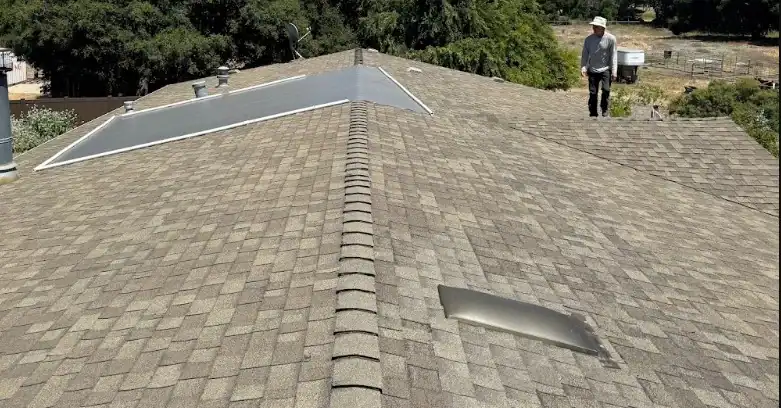
The sun does more to age a shingle roof in this region than any other force, and the effects are visible on the south and west slopes first. Edges that lift, corners that curl and surfaces that crack all point to age, and the pattern across the roof shows how far the wear has gone.
Picking a Shade That Works in the Sun
A pale shade reflects more sunlight than a dark one, which can reduce heat entering the attic, and a little care goes a long way. A reflective product can ease the burden on air conditioning, so ask for the product details and the rating.
Installation Details That Decide Longevity
The number and position of nails are set by the manufacturer for a reason, so ask how many nails go into each shingle. The row at the eave is the most exposed to wind and water, which is why it gets special treatment, and a straight line of shingles is a sign of care. Ridge caps finish the roof where two slopes meet and shed water over the crest, and the ventilation opening below the cap should stay clear.
Gusts and Loose Tabs
Heat from the sun is what finishes the job on a new roof, and a roof installed in summer bonds quickly. A creased or missing shingle after a gust is a sign that the adhesive has failed, and a pattern of lifting suggests the roof is aging.
Balanced Intake and Exhaust
Heat that cannot escape from the attic speeds the aging of the roof deck and the shingles, and ridge vents work well with soffit intake. Attic fans, gable vents and ridge vents each work differently and should not fight each other, and a roofer can assess the layout in a short visit.
Where Shingles Meet Everything Else
Modern synthetic underlayments resist tearing and last better in strong sun, so ask which product is going on. An open valley shows a strip of metal, while a closed valley is covered with shingles, and these details cause most leaks on shingle roofs.
Signs of Wear and Choosing Repair or Replacement
Cracks, missing pieces and exposed nails are all signals worth acting on, and one sign alone may not mean much. A few damaged shingles can often be replaced without touching the rest of the roof, so ask for photographs of the problem areas. A roof that is worn out everywhere will keep leaking in new places however many patches it gets, so plan the project before the leaks begin.
Stripping Down Before Building Up
Old shingles come off in sections and go straight into a bin, leaving a clean deck ready for the next step, and it pays to think it through. Local rules often limit the number of layers a roof may carry, and many roofers prefer a clean start in any case, and the savings are usually smaller than they seem. Damaged decking is the most common surprise on a roofing job, and a good proposal says how it will be handled, and expect a call with photographs.
What the Site Should Look Like at the End
Planning where the dumpster, the ladders and the materials will go avoids damage to lawns, driveways and sprinklers, and move vehicles and furniture the night before. Rolling magnets across the lawn, the driveway and the planting beds collects what a rake and the eye miss, and point out anything that was missed. A new shingle roof sheds a little loose grit in its first months, and some of it ends up in the gutters, and it pays to think it through.
Dry Months and Warm Days
Most replacements here are scheduled for the long dry season, which gives the roof time to settle before the first winter storm, and a little care goes a long way. Heat is a normal part of summer roofing, and a good crew plans the day around it rather than fighting it, and a rushed job in extreme heat is a poor bargain.
Openings, Brackets and Penetrations
Openings in a roof have a real effect on the quality and cost of a shingle project, and replacing them together saves money. Anyone considering rooftop solar should have the age and condition of the shingles assessed first, and the order of the work matters a great deal.
Color, Fade and Repair Work
New shingles set into a sun-faded roof usually look a shade darker or brighter, and the contrast softens only after a season or two of weather, and a small color difference is not a defect.
Protecting the Fascia and the Foundation
Without proper edging, rain can wick behind the shingles and attack the sheathing and fascia board over the following seasons, so look at them before the work starts.
Getting Specific About the Product
A good proposal names the shingle line, the color, the underlayment and the flashing materials, and the details are worth a closer look. Ask about the schedule and how the roof will be covered if rain is forecast, and the answers are worth writing down.
Next Steps for Your Roof
Anyone sorting out Shingle Roofing in Santa Maria California is one call away from a straight answer, so dial 805-723-2381 when it suits you. Even a quick call can clear up questions about shingle grades, colors and timing, and the roof will tell the story once someone looks.
Verified

Verified
Verified
Verified