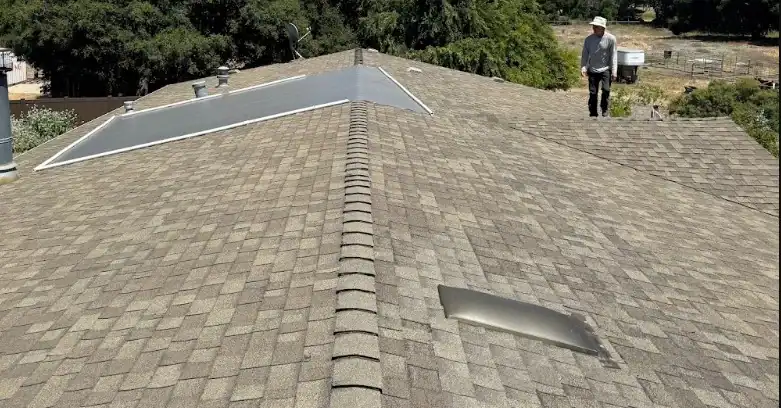
Choosing Shingle Roofing Contractors Close to Santa Maria California?
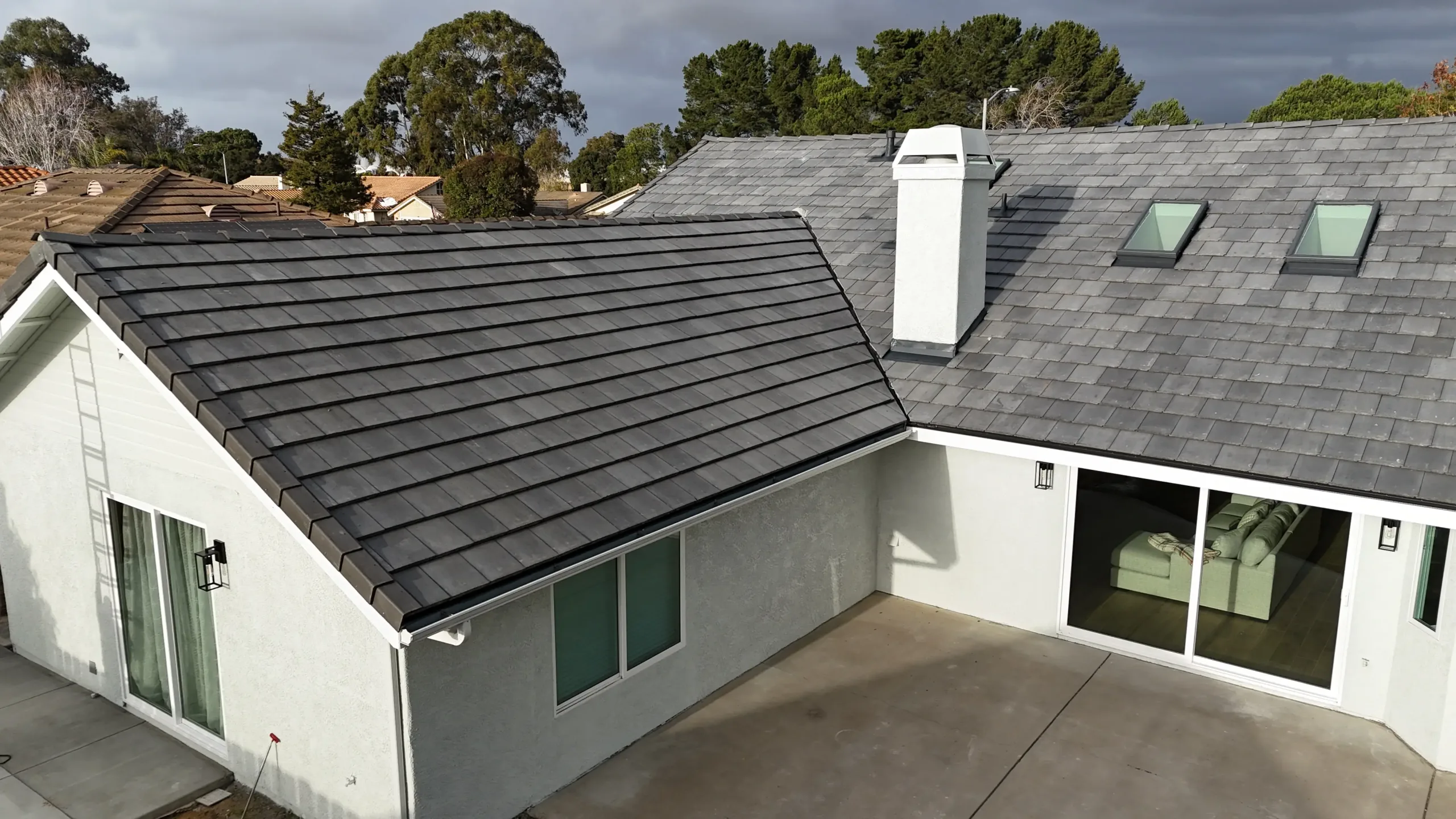
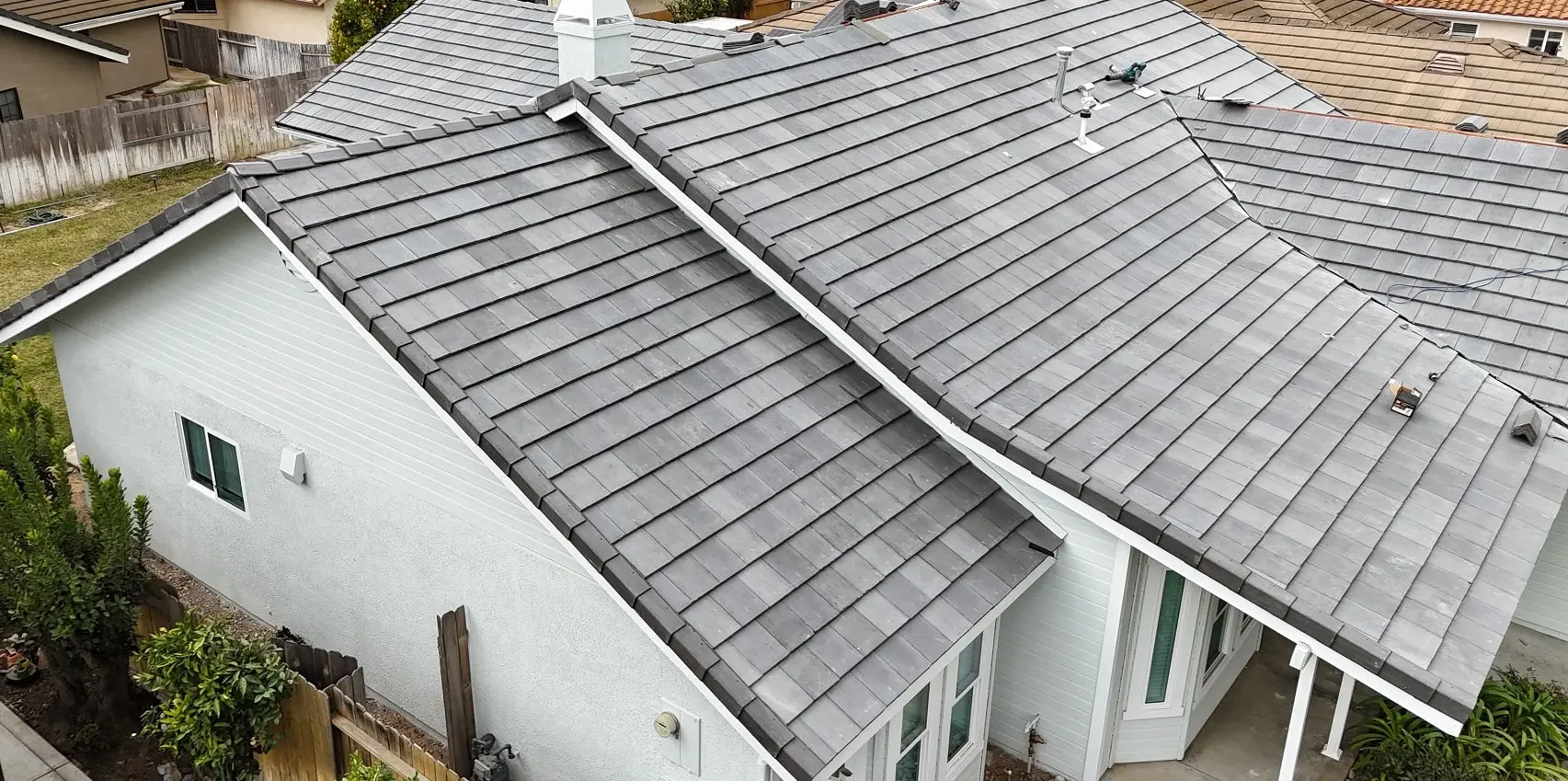
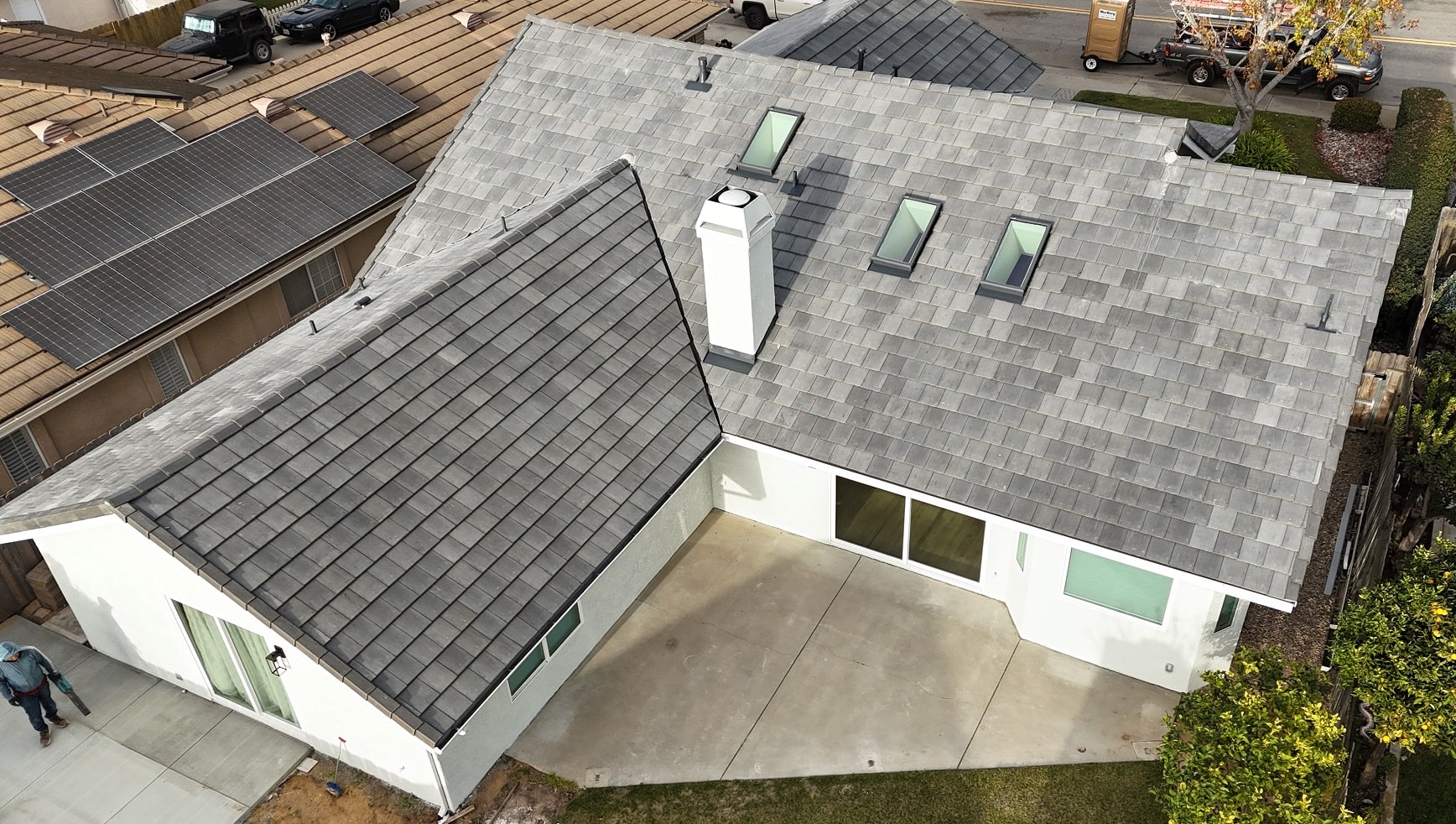
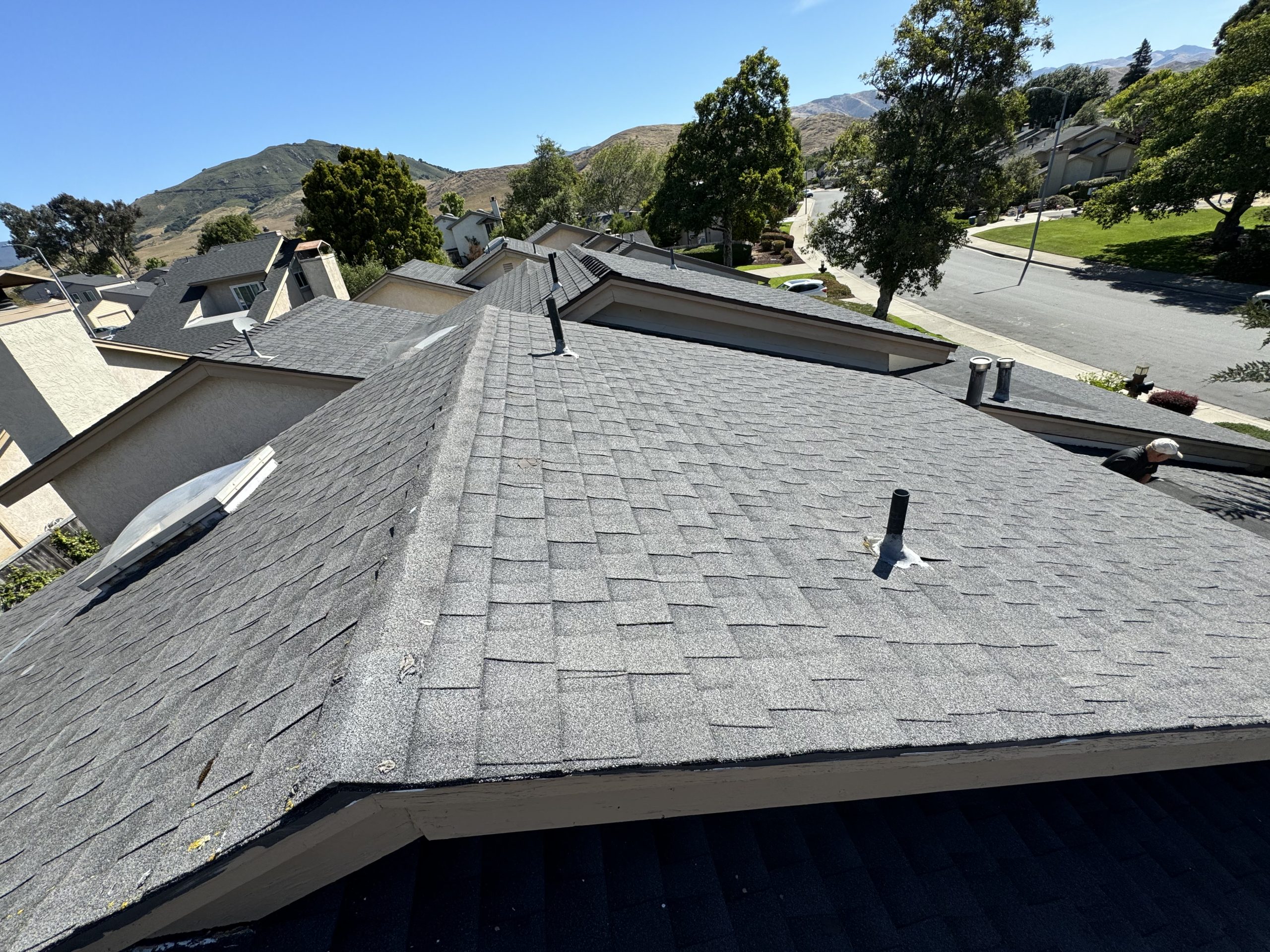
Creative Roofing works with layered shingles, starter strips, underlayment and ridge caps, from Santa Maria California out to the surrounding area.
Dial 805-723-2381 to set up a visit to look at your shingles.
The Anatomy of an Asphalt Shingle
Each shingle is a thin sandwich of mat, asphalt and stone granules, so the whole shingle depends on all of them. Without a surface of mineral granules, the asphalt beneath would dry and crack in a short time, and it pays to think it through.
Three-Tab, Architectural and Designer Lines
Traditional three-tab shingles are a single flat layer cut into three tabs, and they are the lightest and plainest option, and the saving is real but so is the shorter life. Laminated shingles are thicker, heavier and more dimensional than flat strip shingles, and colors come in a wide range. Premium and luxury lines go further, with thicker laminates, deeper shadow lines and designer shapes, and a sample on site shows the difference clearly.
Sun, Heat and Aging
Heat, ultraviolet light and temperature swings wear the surface steadily, so those slopes make a useful gauge of overall condition. A shingle that has begun to curl no longer lies flat against the roof, and photographs make a useful record.
Picking a Shade That Works in the Sun
Shingles in dark shades absorb more heat, and they can run noticeably hotter on a summer afternoon, so consider how the house sits in the sun. Cool shingle lines are designed to lower roof temperatures without changing the look much, so ask for the product details and the rating.
How Shingles Are Laid
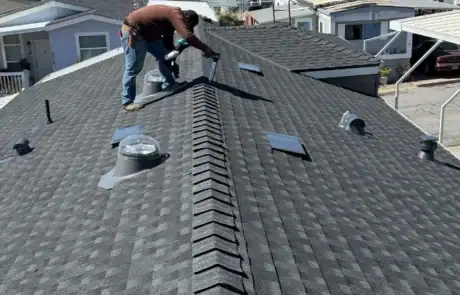
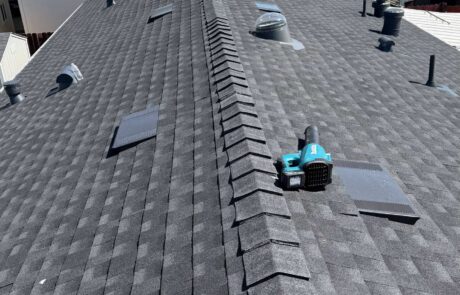
Fastening is the quiet detail that separates a durable roof from a poor one, and a crew that cuts corners here causes trouble later. A starter strip along the eave and the rake gives the first course a sealed edge and extra grip, and that is worth keeping in mind. The cap shingles on a ridge take extra abuse from sun and wind, and a sloppy ridge is a common weak spot.
Wind, Seasonal Gusts and Sealing
Shingles have a strip of adhesive that bonds each course to the one below once the sun warms it, and the nails hold the rest. Pieces that blow off expose the underlayment, which is not meant to sit in the sun, and a pattern of lifting suggests the roof is aging.
Balanced Intake and Exhaust
A hot attic cooks the shingles from underneath, and the damage adds to what the sun does on top, and ridge vents work well with soffit intake. Adding insulation without maintaining airflow can make an attic hotter in summer, and avoid anyone who ignores the question.
Where Shingles Meet Everything Else
Felt paper or synthetic sheets cover the deck and give a second line of defense, and a better underlayment costs little in the whole job. Chimneys, walls and skylights need step flashing and counterflashing worked into the shingle courses, and a little care goes a long way.
Is It Time for a New Roof
Several signs together point to a roof that needs more than a patch, and early action keeps choices open. A few damaged shingles can often be replaced without touching the rest of the roof, so ask for photographs of the problem areas. Replacement is the sensible answer once the field of shingles has lost its protective surface, and that is worth keeping in mind.
Taking Off the Old Shingles
Removing every old layer is the usual starting point, since it exposes the deck and shows whether anything underneath needs repair, so the plan should allow for repairs to the wood. A roof-over saves effort in the short run, yet it prevents any look at what the old roof has been hiding, so ask for both options in writing. Agreeing on how replacement boards are measured and charged prevents a dispute halfway through the job, so ask how surprises will be handled.
Keeping the Yard Safe During a Shingle Job
Planning where the dumpster, the ladders and the materials will go avoids damage to lawns, driveways and sprinklers, and move vehicles and furniture the night before. Rolling magnets across the lawn, the driveway and the planting beds collects what a rake and the eye miss, and the work is not finished until the cleanup is. Gutters should be cleared of granules and debris once the new roof is on, since the first rains will wash any leftovers into the downspouts, and it costs little to keep them clear.
Planning Around Rain and Heat
Shingle work goes best in dry, mild weather, when the sealing strips bond quickly and the crew can leave the roof open without worry, so booking ahead is wise. Shade, water and early starts are the usual ways of coping with the heat on a dark roof, so an early arrival is nothing to worry about.
Skylights, Chimneys and Solar Panels
Roofers work around fixed obstacles all the time, but each one adds time and adds a place where water might enter, and it is easy to overlook. Mounting brackets pierce the roof, and the seals around them age on the same schedule as the shingles beneath, and the order of the work matters a great deal.
Making a Repair Look Right
Manufacturers change colors and blends over time, so an exact match for a discontinued shingle may simply not exist anymore, and a small color difference is not a defect.
Carrying Water Away From the House
A drip edge along the eave and the rake guides water into the gutter and keeps it from running behind the fascia, where it would rot the wood, so look at them before the work starts.
Questions for a Shingle Roofer
A good proposal names the shingle line, the color, the underlayment and the flashing materials, and the line items let you compare two bids fairly. Check what happens if damaged sheathing is found once the old roof is off, and it is easy to overlook.
Ready to Compare Options
Anyone sorting out Shingle Roofing Contractors in Santa Maria California is one call away from a straight answer, with 805-723-2381 ready whenever you want to talk. Calling before a problem becomes urgent makes it easier to compare materials and schedules, so reach out whenever you are ready.
Verified

Verified
Verified
Verified
Verified