Shopping for Shingle Roof Installation Around Santa Maria California?
Creative Roofing handles shingle roofing from the first nail to the last ridge cap, from Santa Maria California out to the surrounding area.
Dial 805-723-2381 to talk through shingle styles and what suits the home.
Layers You Cannot See From the Street
Most roofs on houses here wear shingles built from a glass-fiber core with an asphalt skin, and each part has a job to do. Stone granules reflect part of the sun and keep the asphalt from baking, and bare patches show up as dark spots.
Shingle Grades Explained
Traditional three-tab shingles are a single flat layer cut into three tabs, and they are the lightest and plainest option, and a little care goes a long way. The extra layer adds weight and strength, and the cut pattern breaks up the lines, and the difference shows in the finished roof. Premium and luxury lines go further, with thicker laminates, deeper shadow lines and designer shapes, and the framing should be checked before choosing the heaviest types.
How California Weather Wears a Shingle
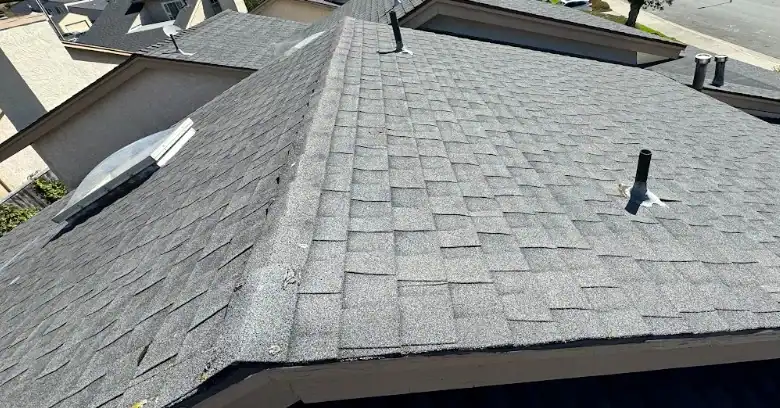
Hot weather and strong sun dry the oils in asphalt, leaving the surface stiff and brittle, and the effects are visible on the south and west slopes first. Edges that lift, corners that curl and surfaces that crack all point to age, so they deserve attention before the rainy season.
Cool Shingles and Heat Gain
Lighter shingles reflect more of the summer sun and keep the roof surface cooler, and nearby roofs offer a useful preview. Cool shingle lines are designed to lower roof temperatures without changing the look much, and the actual benefit depends on the house.
The Craft Behind a Good Install
Shingles are fastened with nails placed in a specific spot, and a few inches either way changes how well they hold, and it is easy to overlook. Starter shingles at the bottom edge anchor the first row and keep wind from getting underneath, and that is worth keeping in mind. Special cap products are made to bend without cracking, so the details at the top deserve attention.
Wind, Seasonal Gusts and Sealing
The adhesive bond is what keeps tabs flat against the roof in a strong wind, and a little care goes a long way. Pieces that blow off expose the underlayment, which is not meant to sit in the sun, and the details are worth a closer look.
Heat Trapped Below Shortens the Roof
Airflow under the deck helps a shingle roof reach its full useful life, and ridge vents work well with soffit intake. More vents is not better, and mixing types can short-circuit the flow, so ask what will be done about ventilation.
Waterproofing Layers and Metal Pieces
The underlayment is the water-resistant layer under the shingles that catches whatever gets past the surface, and it pays to think it through. Valley flashing has to be formed correctly and sealed well, or water finds a way in, and these details cause most leaks on shingle roofs.
Reading the Roof
Cracks, missing pieces and exposed nails are all signals worth acting on, and one sign alone may not mean much. Repairing a small area costs far less than a full replacement when the surrounding roof is sound, and it is easy to overlook. Replacement is the sensible answer once the field of shingles has lost its protective surface, and a full replacement gives a fresh start.
What Lies Under the Existing Roof
Old shingles come off in sections and go straight into a bin, leaving a clean deck ready for the next step, and soft spots are cut out and replaced with new panels. Overlaying is a shortcut that a careful roofer will explain before agreeing to it, and a little care goes a long way. Since the extent of deck damage cannot be known until the old roof is off, a fair agreement sets a method for pricing the extra work, and good communication keeps everyone calm.
What the Site Should Look Like at the End
Tarps along the walls, plywood over delicate plantings and a bin positioned below the edge keep the mess contained, and it is easy to overlook. Nails are the main hazard left behind after any roofing job, and a magnetic sweep of the yard and driveway is standard practice, and point out anything that was missed. Checking the gutters after the first big rain is a good habit, and it takes only a few minutes, and the new roof will thank you.
Choosing the Right Season for Shingles
Most replacements here are scheduled for the long dry season, which gives the roof time to settle before the first winter storm, and a little care goes a long way. Shade, water and early starts are the usual ways of coping with the heat on a dark roof, so an early arrival is nothing to worry about.
Coordinating With Other Trades
Each opening in a shingle roof needs flashing built in layers with the courses, and the work is easier when the roof is already open, and replacing them together saves money. Mounting brackets pierce the roof, and the seals around them age on the same schedule as the shingles beneath, and a little planning saves a lot of expense.
Blending New Shingles Into an Older Roof
A roofer can often borrow shingles from a hidden slope or the back of the house to repair a more visible area, which gives the best match, and it pays to think it through.
Where Shingles End and Gutters Begin
A drip edge along the eave and the rake guides water into the gutter and keeps it from running behind the fascia, where it would rot the wood, so look at them before the work starts.
Getting Specific About the Product
A good proposal names the shingle line, the color, the underlayment and the flashing materials, and the details are worth a closer look. Ask how many layers of old roofing will be removed and how the deck will be inspected, and the answers are worth writing down.
Tell Us What You Are Thinking
A conversation about Shingle Roof Installation in Santa Maria California usually starts with the age of the current roof, so use 805-723-2381 to set up the next step. Even a quick call can clear up questions about shingle grades, colors and timing, and the roof will tell the story once someone looks.
Verified

Verified
Verified
Verified