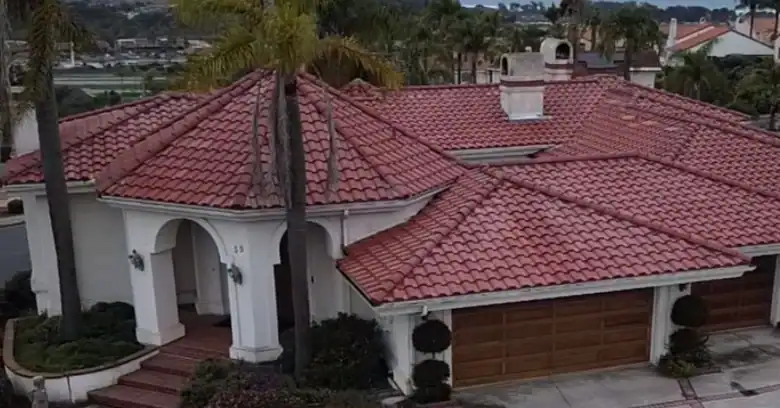
Researching Tile Roof Contractors Throughout Santa Maria California?
Creative Roofing handles the underlayment, battens and hand-shaped details that a fired or molded roof depends on, throughout Santa Maria California and the neighboring communities.
Phone 805-723-2381 and we will explain what is involved.
What Makes a Roof Out of Fired Clay or Molded Concrete Different
Fired clay and molded concrete are the two materials used for the heavy, durable coverings found across the region, and the real waterproofing sits underneath. Each type comes in profiles from rounded barrels to flat slabs and interlocking shapes, and it pays to think it through.
Weight, Framing and What the House Can Carry
A concrete or clay roof weighs several times more than a shingle roof, so the framing has to be up to the load, and it should happen before materials are ordered. Replacing a lighter covering with a heavier one without checking the structure is a serious mistake, and the details are worth a closer look.
Underlayment Is the Real Waterproofing
Beneath the visible surface lies a waterproof membrane that does the hard work, and it is easy to overlook. Modern synthetic and self-adhering underlayments last longer under high temperatures, and that is worth keeping in mind.
Why Tile Suits Hot Weather
Clay and concrete handle strong sun far better than lighter coverings, which is a large part of their appeal here, and it pays to think it through. Concrete may chalk or fade after long exposure, and a clean surface may need a sealer or fresh paint, and it fades or washes off with time.
Cracks, Slips and Broken Pieces
A cracked unit lets water reach the underlayment, which is meant for backup rather than constant exposure, and waiting makes the repair more expensive. A short inspection after any work on the roof catches damage early, and the cost of a few replacements is small.
Where Pieces Meet Walls and Each Other
Details where the pieces meet something else are the places most likely to leak, and that is worth keeping in mind. Ridge and hip pieces are bedded in mortar or fastened with mechanical systems, and the old mortar often fails before the roof does, and it deserves attention as the roof ages.
How Units Are Secured
Though heavy, individual pieces must be fastened properly or they can slide or lift in strong gusts, so ask how the pieces will be held down. A tight installation with proper closures resists embers better than a loose one, and the pieces themselves are only part of the answer.
Matching the Work to the Condition
The decision depends on how many pieces are cracked and how the underlayment is holding up, and the savings from a re-lay can be considerable. A full replacement is a bigger project, but it resets the clock on the entire roof, so it is a time to consider all the options.
Adhesives, Clips and Mortar
Older roofs of this kind used mortar to bed the ridge and hip pieces and to seal the edges, and that mortar eventually cracks and crumbles, and it pays to think it through. Gaps at the ridge need the same attention, since embers and animals will find any opening, and a good roofer checks them without being asked.
Washing, Sealing and Surface Care
Dust, pollen and shade can leave a roof of this type looking dull and streaked, even when it is perfectly sound, and a clean roof looks years younger. Cleaning is not a substitute for repairs, but it often reveals cracked pieces that were hidden by grime, so combine the two visits.
A Better Base for a Long-Lived Roof
High-temperature rated products suit the hot conditions found beneath dark units on a sunny slope, so ask which product is specified. Battens that lift the units off the underlayment allow air to circulate and water to drain freely beneath the pieces, and the extra layer is inexpensive protection.
Penetrations Through Fragile Surfaces
Each penetration through the covering is a place where a unit must be cut, and cut pieces are more likely to crack later, and the decision deserves some planning. Telling every visitor about the fragility of the surface prevents a surprising amount of damage, so make it a habit to ask about the roof. Clearing debris from valleys before the rainy season is the simplest way to protect the underlayment beneath them, so make valleys the first stop on any check.
Picking the Right Unit for the House
Both materials are heavy, fire-resistant and durable, and either can give a house a distinctive character, and the better choice depends on the house and the budget. Samples of full-size pieces on a roof model show more than a catalog photograph ever can, and think about the neighbors as well.
Getting Specific About a Heavy Roof
A proposal that only says re-lay the roof does not tell you enough, and a little care goes a long way. A roofer who has re-laid many roofs knows the pitfalls and can describe them without hesitation, and a confident contractor will welcome them.
Stages of a Careful Re-Lay
Sorting the units as they come off lets the roofer count how many replacements will be needed and order matching pieces, and the crew has to be careful with every piece.
What to Do Before Summer Ends
Closure strips at the eaves and the ridge keep embers and animals out of the space beneath the units, and a tidy roof is a safer roof.
Notes That Help the Next Owner
Photographs taken during the work show what lies under the units, which is a view that nobody sees again for decades, and it costs almost nothing to keep them.
Start the Conversation
Those comparing Tile Roof Contractors in Santa Maria California can reach us by phone, with 805-723-2381 ready whenever you want to talk. Planning ahead usually leads to better choices than reacting to an emergency, and the roof will tell the story once someone looks.
Verified

Verified
Verified
Verified